ASUS Vivobook S532FL-BQ006T RAM upgrade specifications
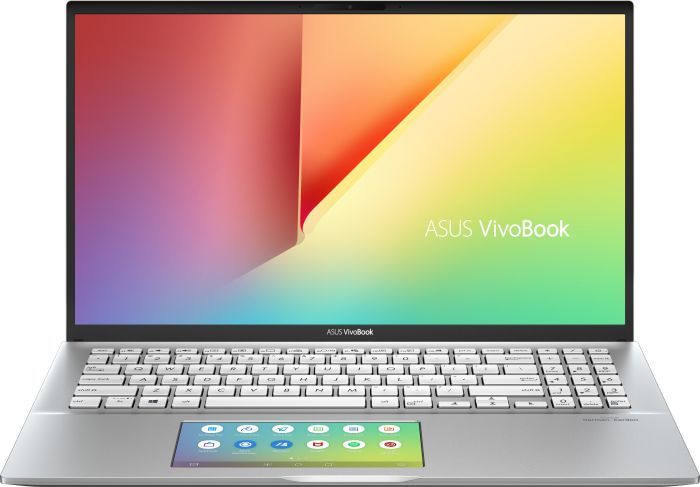
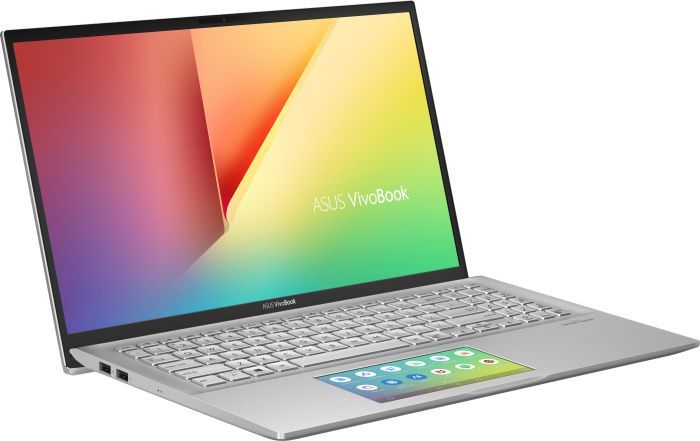
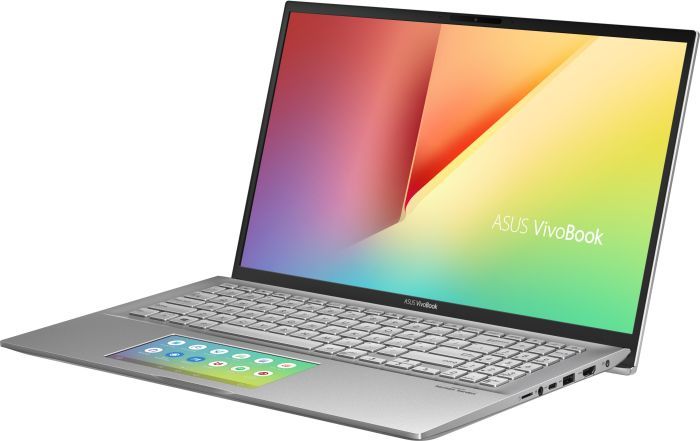
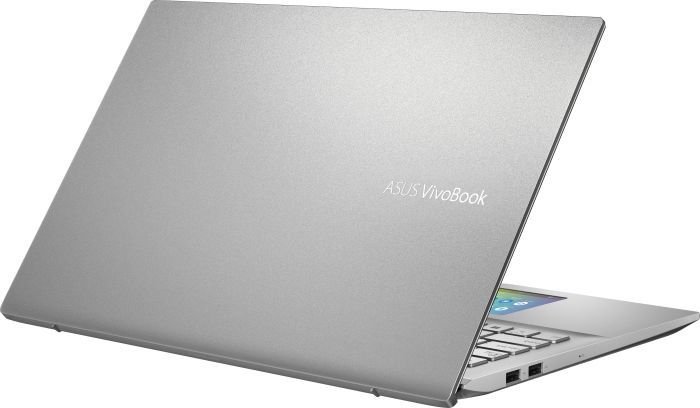
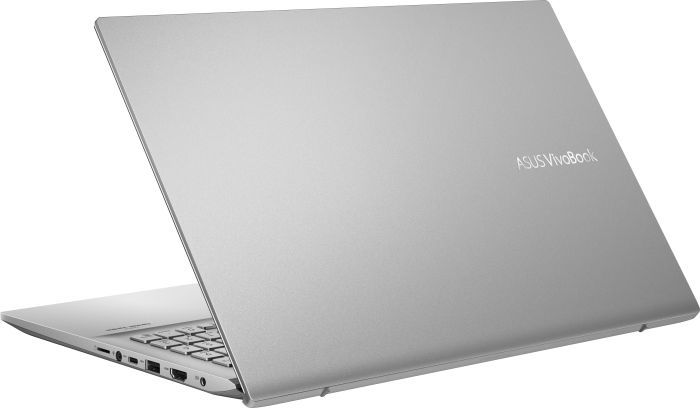
ASUS Vivobook S15 series model S532FL-BQ006T features DDR4-SDRAM memory upgrade specifications with one SO-DIMM slot available for expansion. The laptop contains on-board memory combined with one upgradeable SO-DIMM slot, supporting maximum RAM capacity of 16 GB. Compatible memory modules operate at 2400 MHz frequency. Upgrade specifications allow for memory expansion through the single SO-DIMM slot to reach total maximum capacity of 16 GB.
Memory Upgrade Specifications
| Specification | Value |
|---|---|
| Memory slots | 1x SO-DIMM |
| Form factor | On-board + SO-DIMM |
| Memory type | DDR4-SDRAM |
| Frequency | 2400 MHz |
| Maximum RAM | 16 GB |
| Voltage | 1.2V |
| Number of pins | 260-pin |
| Interface | PC4 |
| PC Speed Rating | PC4-2400 (PC4-19200) |
| Bandwidth | 19.2 GB/s |
| Laptop Release date | 11 October 2019 |
Additional Notes
- The ASUS Vivobook S532FL-BQ006T combines soldered memory with a single expansion slot, preventing total memory replacement and requiring retention of the factory-installed module.
- The 16 GB ceiling applies to the entire system configuration, meaning the expansion slot accepts smaller capacities when substantial onboard memory is present.
- DDR4-2400 represents the maximum effective transfer rate regardless of installed module speed, as the memory controller enforces this frequency limit and downclocks faster modules.
- SO-DIMM installation requires compatibility with the soldered module's specifications to enable dual-channel operation, which doubles theoretical bandwidth compared to single-channel configurations.
- The onboard memory component remains permanently installed and counts against the 16 GB maximum, restricting the SO-DIMM slot to the remaining capacity allocation.
- Non-standard memory form factor combinations require verification of the soldered module's capacity before purchasing expansion modules to avoid exceeding architectural limits.
- Warranty preservation depends on using SO-DIMM modules exclusively in the user-accessible slot, as the soldered component sits on the motherboard without removal provisions.
- Physical access to the SO-DIMM slot typically requires bottom panel removal, though the onboard memory remains inaccessible beneath surface-mounted components.
- Mismatched module speeds between onboard and SO-DIMM components result in both operating at the lower frequency specification within the 2400 MHz constraint.
- The single-slot limitation eliminates future expansion beyond the initial upgrade, making capacity planning critical at the first installation point.