ASUS Vivobook S512FA-DB71 RAM upgrade specifications


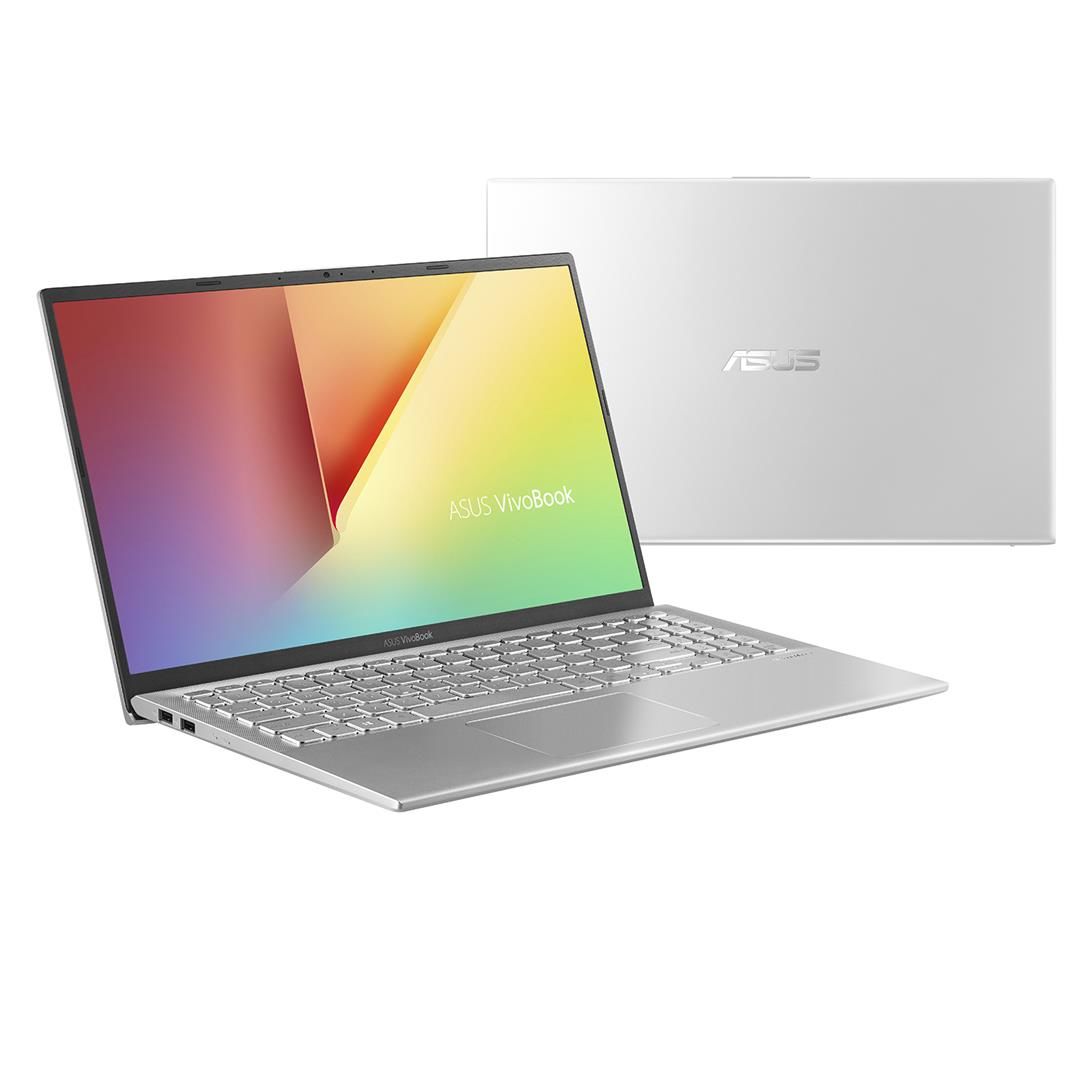


The ASUS Vivobook S15 S512FA-DB71 features DDR4-SDRAM memory specifications compatible with laptop RAM upgrades. The system contains one SO-DIMM slot for expandable memory, supporting a maximum RAM capacity of 12 GB. Memory operates at 2400 MHz frequency. The laptop combines on-board memory with an SO-DIMM slot configuration, enabling users to upgrade memory capacity by installing compatible DDR4-SDRAM modules. Specifications indicate the S512FA-DB71 model supports memory upgrades to reach maximum capacity specifications for enhanced performance and multitasking capabilities.
Memory Upgrade Specifications
| Specification | Value |
|---|---|
| Memory slots | 1x SO-DIMM |
| Form factor | On-board + SO-DIMM |
| Memory type | DDR4-SDRAM |
| Frequency | 2400 MHz |
| Maximum RAM | 12 GB |
| Voltage | 1.2V |
| Number of pins | 260-pin |
| Interface | PC4 |
| PC Speed Rating | PC4-2400 (PC4-19200) |
| Bandwidth | 19.2 GB/s |
| Laptop Release date | 17 November 2019 |
Additional Notes
- The presence of a single SO-DIMM slot alongside permanent on-board memory prevents a symmetric dual-channel configuration when replacing the module with a higher capacity than the factory-soldered portion.
- Memory bandwidth is constrained to the 2400 MHz frequency even if a higher-rated module is installed because the system bus will downclock the faster component to match the slowest internal link.
- Total addressable memory is physically capped by the motherboard firmware, meaning the ASUS Vivobook S512FA-DB71 will ignore capacities provided by 16 GB or 32 GB modules despite the electrical compatibility of the DDR4 interface.
- Upgrading the removable stick involves a high risk of losing dual-channel performance for the portion of the RAM that exceeds the soldered capacity, resulting in asynchronous memory access patterns.
- Thermal management remains a factor during installation as the proximity of the on-board chips to the expansion slot limits the use of modules with thick integrated heat spreaders.
- System stability depends on matching the CAS latency of the soldered chips since the BIOS lacks manual timing adjustments to reconcile discrepancies between mixed memory vendors.