ASUS Vivobook S512FA-DB51 RAM upgrade specifications
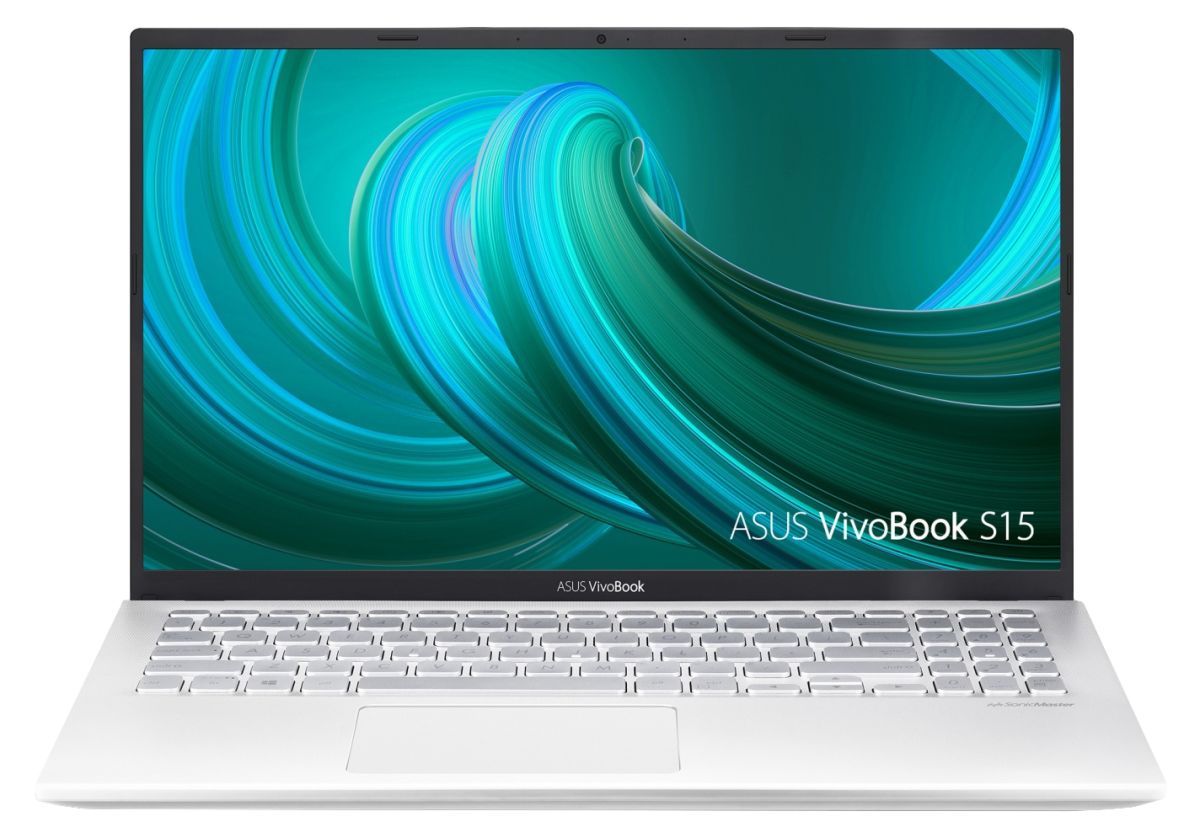
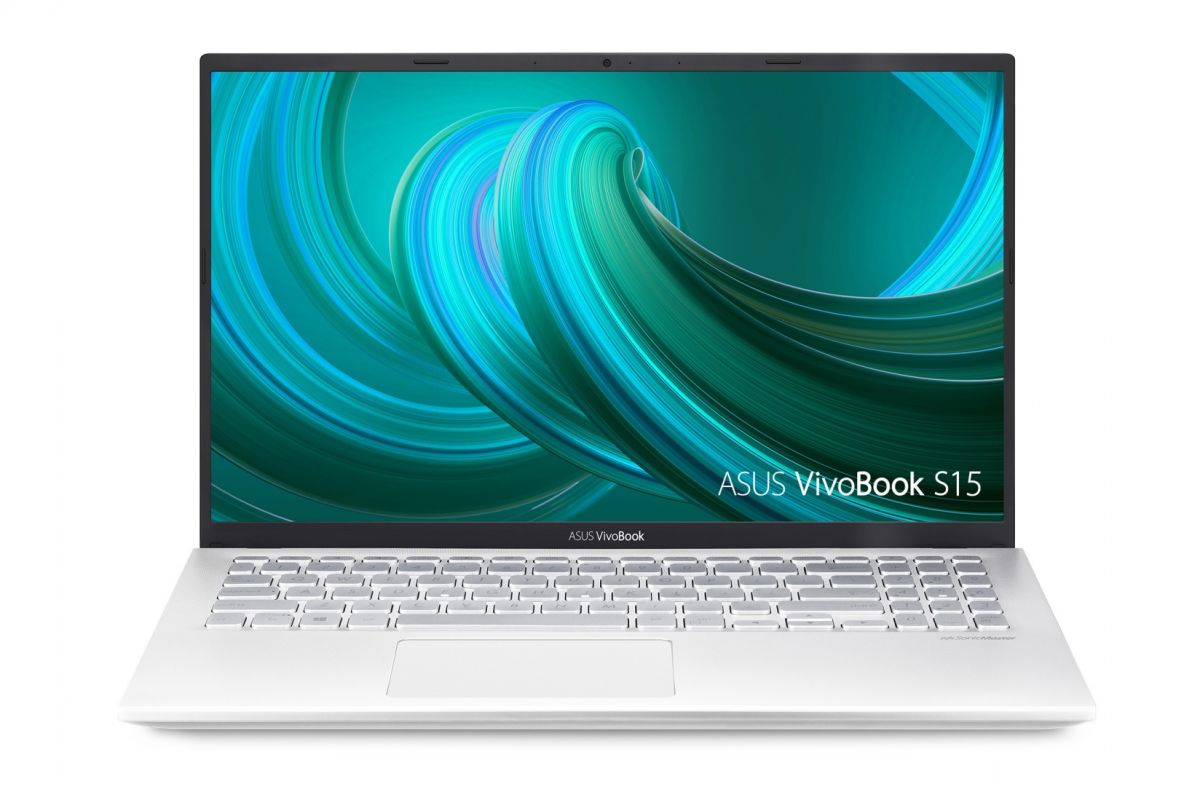
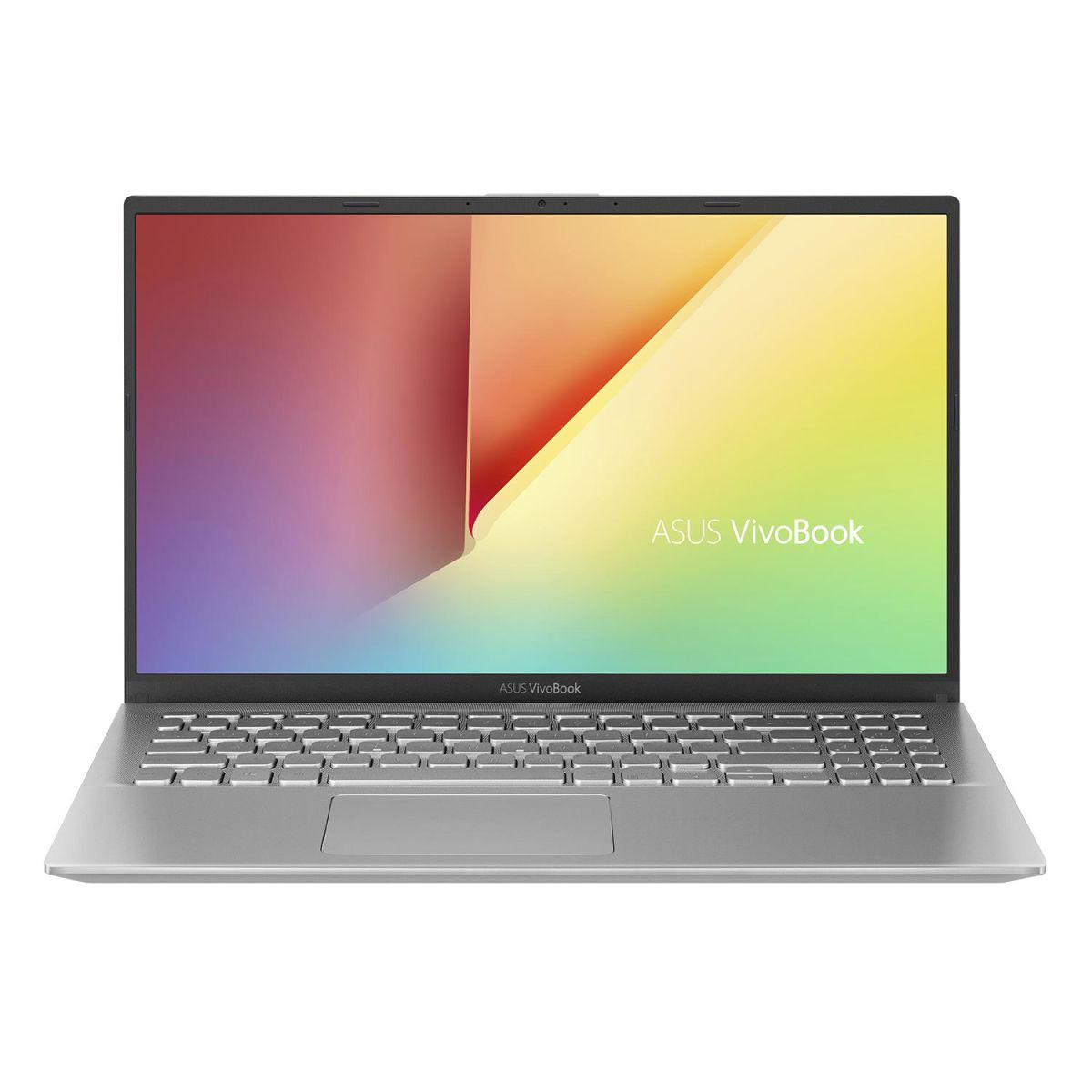
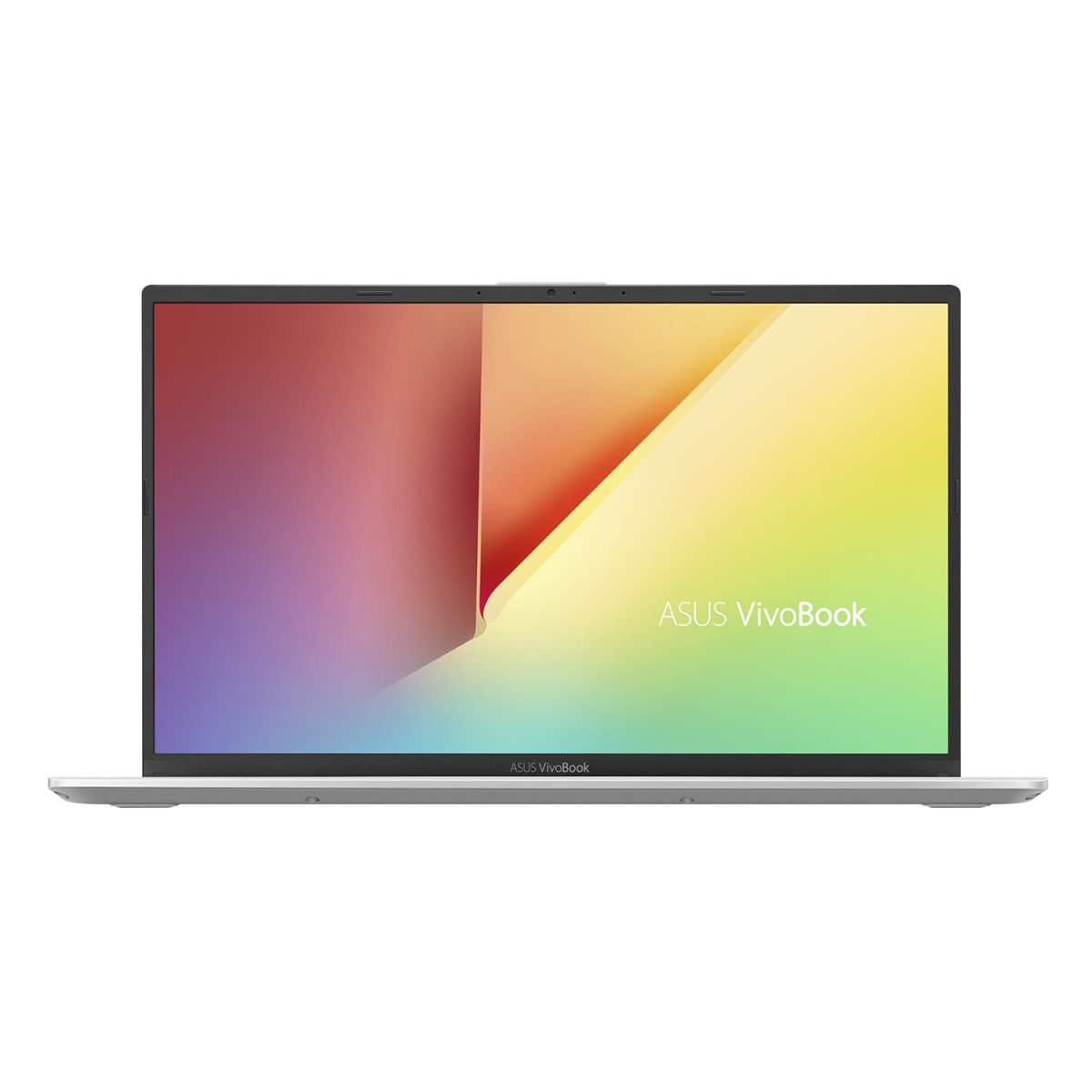
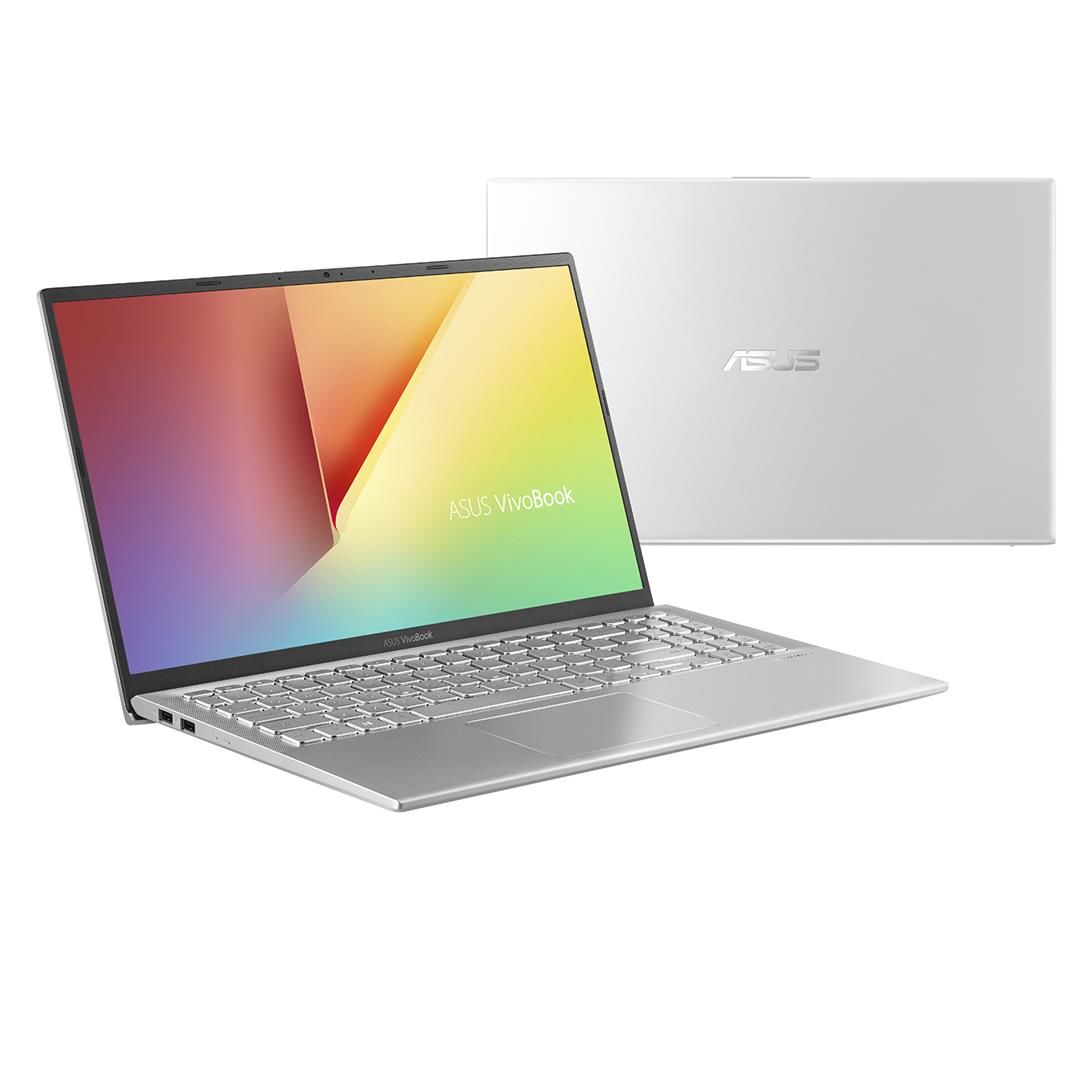
ASUS Vivobook S15 S512FA-DB51 RAM upgrade specifications include DDR4-SDRAM memory compatible with the notebook's single SO-DIMM slot. The laptop contains one upgradeable memory slot supporting maximum capacity of 12 GB. Memory specifications indicate DDR4 operating at 2400 MHz frequency. Upgrade compatibility requires DDR4 SO-DIMM modules meeting these parameters for the S512FA-DB51 model configuration.
Memory Upgrade Specifications
| Specification | Value |
|---|---|
| Memory slots | 1x SO-DIMM |
| Form factor | On-board + SO-DIMM |
| Memory type | DDR4-SDRAM |
| Frequency | 2400 MHz |
| Maximum RAM | 12 GB |
| Voltage | 1.2V |
| Number of pins | 260-pin |
| Interface | PC4 |
| PC Speed Rating | PC4-2400 (PC4-19200) |
| Bandwidth | 19.2 GB/s |
| Laptop Release date | 17 November 2019 |
Additional Notes
- The ASUS Vivobook S512FA-DB51 contains soldered memory on the motherboard, meaning a portion of RAM cannot be removed or replaced. Only the single SO-DIMM slot remains user-accessible for upgrades.
- Installing a 12 GB SO-DIMM module will result in asymmetrical memory configuration, pairing soldered memory with a removable module operating at the same frequency. This configuration functions without issues but does not improve performance beyond having both modules recognized at their shared speed.
- The 2400 MHz specification represents the maximum supported frequency; third-party modules marketed at higher speeds will downclock to this frequency automatically when installed in this system, eliminating any performance advantage from faster modules.
- SO-DIMM modules larger than 12 GB exist in the market but will not be recognized by this motherboard's BIOS. The 12 GB ceiling is a hardware limitation, not a software restriction.
- Warranty implications: SO-DIMM replacement within the manufacturer's memory limit qualifies as a user-serviceable component. Exceeding the maximum specified capacity or using non-compliant module types may void hardware coverage if component failure occurs.
- The single upgrade slot leaves no redundancy for memory configuration. Inserting a defective or incompatible module renders the system unable to boot until that module is physically removed, as fallback to soldered memory alone cannot be configured in BIOS.