DELL Inspiron 3481 RAM upgrade specifications



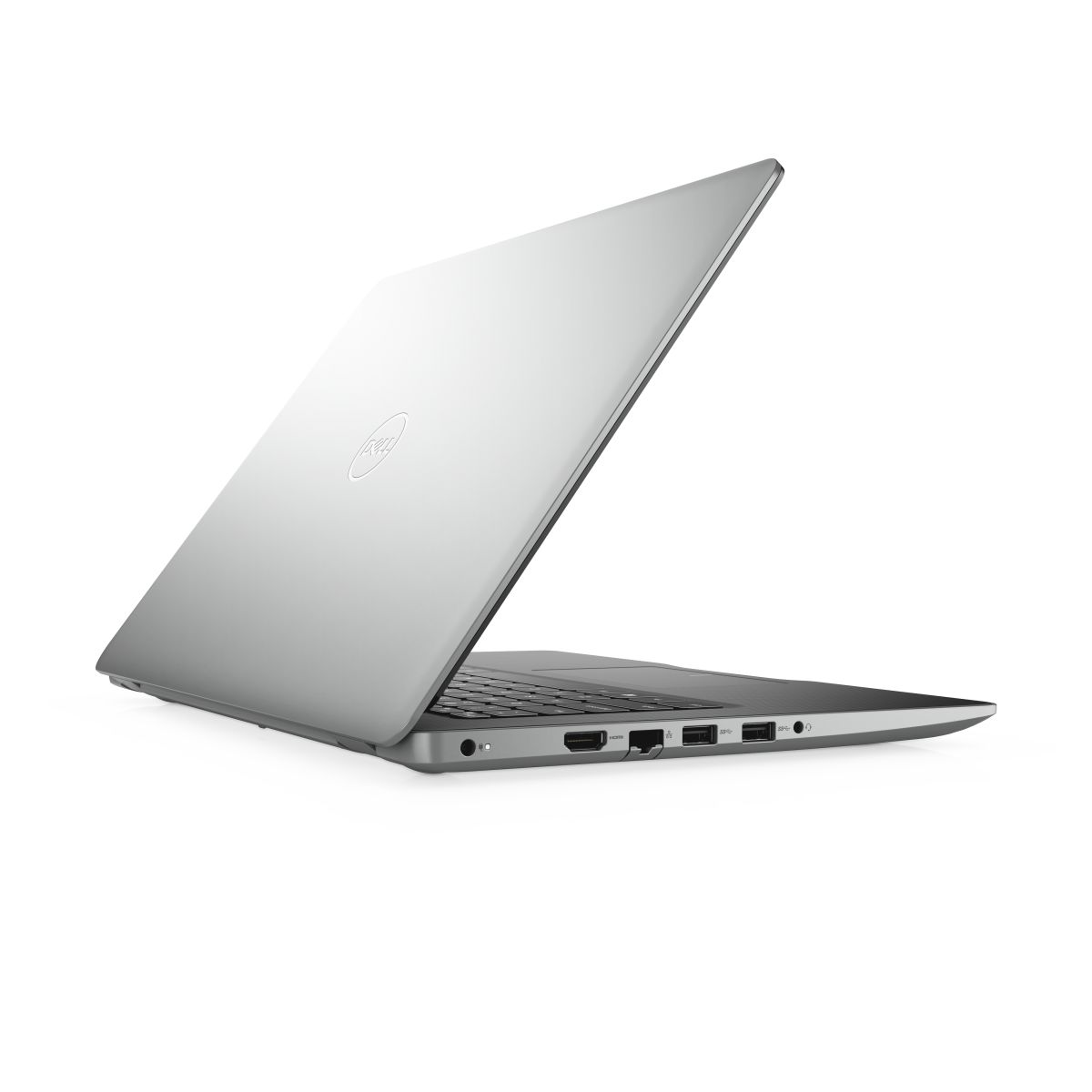
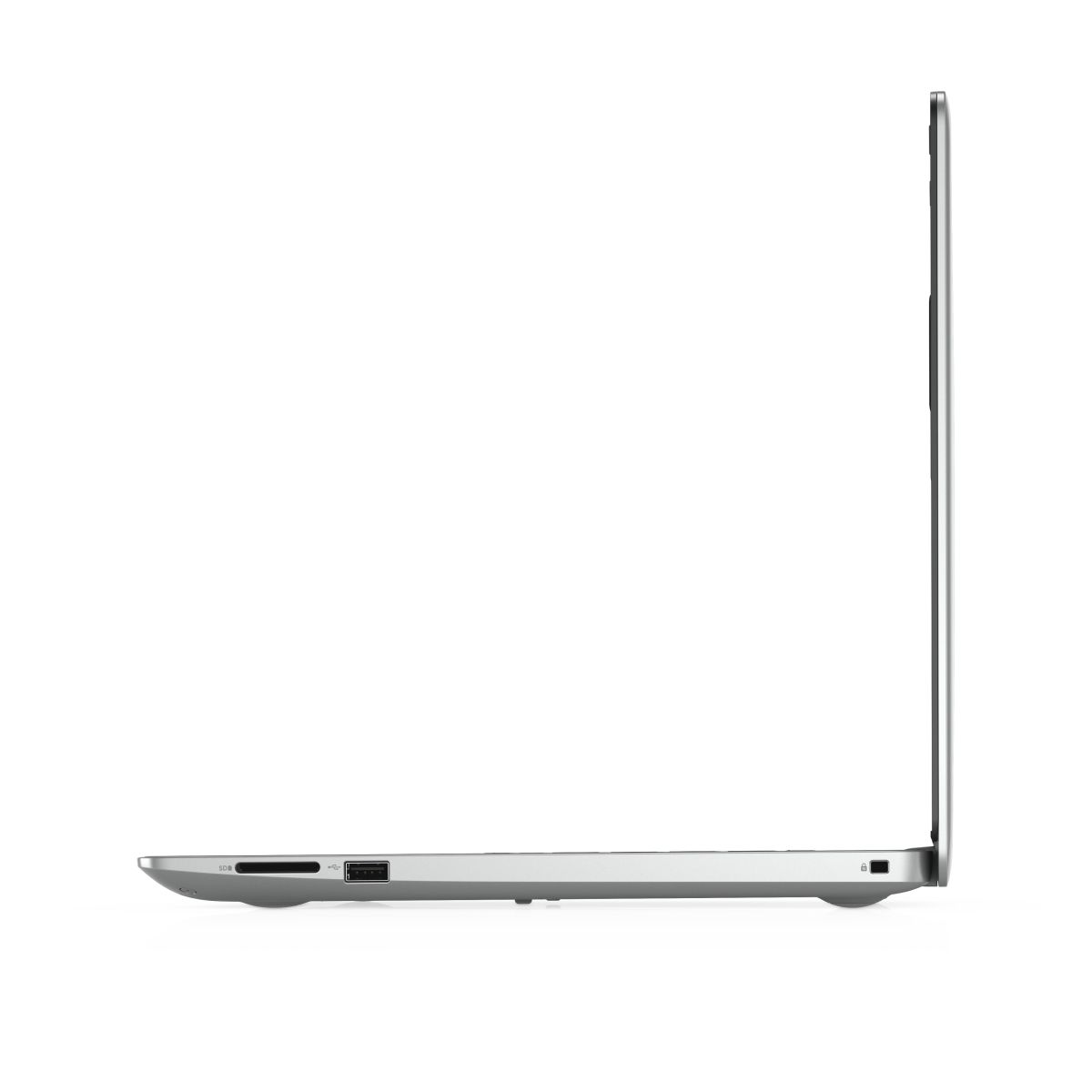
DELL Inspiron 3000 Series Model 3481 supports DDR4-SDRAM memory upgrades with maximum capacity of 16 GB. The laptop contains 2x SO-DIMM slots for memory expansion. Compatible RAM operates at 2666 MHz frequency. Specifications indicate SO-DIMM form factor modules required for upgrade compatibility. Maximum RAM capacity of 16 GB represents the memory ceiling for this Inspiron 3481 configuration.
Memory Upgrade Specifications
| Specification | Value |
|---|---|
| Memory slots | 2x SO-DIMM |
| Form factor | SO-DIMM |
| Memory type | DDR4-SDRAM |
| Frequency | 2666 MHz |
| Maximum RAM | 16 GB |
| Voltage | 1.2V |
| Number of pins | 260-pin |
| Interface | PC4 |
| PC Speed Rating | PC4-2666 (PC4-21328) |
| Bandwidth | 21.3 GB/s |
| Laptop Release date | 10 March 2020 |
Additional Notes
- The DELL Inspiron 3481 utilizes a dual-channel SO-DIMM architecture, enabling bandwidth gains of up to 128 percent when matching modules occupy both slots compared to single-stick configurations.
- DDR4-2666 operates at 1.2 volts, reducing thermal output by approximately 20 percent relative to DDR3 generations, which extends component lifespan in compact laptop chassis with limited airflow.
- The 16 GB ceiling limits virtual machine allocation and prevents running multiple memory-intensive applications simultaneously without triggering page file reliance, which degrades responsiveness by 300 to 500 percent in swap-dependent workloads.
- SO-DIMM modules measure 67.6 millimeters in length, requiring tool-free installation through bottom panel access, though warranty seals may be present depending on regional service policies.
- Mixing modules with different CAS latencies forces the memory controller to default to the slowest timing, introducing 2 to 4 nanosecond delays per access cycle that compound during sustained read operations.
- DDR4-2666 backward compatibility allows installation of higher-rated modules such as DDR4-3200, though the system firmware will downclock to 2666 MHz, negating performance headroom but maintaining stability.
- Non-ECC unbuffered modules are required, as registered or error-correcting variants will trigger POST failures due to chipset incompatibility with consumer-grade memory controllers.
- Asymmetric configurations such as 4 GB plus 8 GB maintain dual-channel operation only for the matched 4 GB portion, reverting the remaining 4 GB to single-channel mode and creating uneven bandwidth distribution across memory ranges.
- Single-rank versus dual-rank topology affects interleaving efficiency, with dual-rank modules providing 5 to 15 percent throughput improvements in bandwidth-sensitive tasks despite identical capacity and frequency ratings.
- The 260-pin SO-DIMM interface requires alignment within 20-degree insertion angles to prevent pin damage, and retention clips must engage fully to ensure contact resistance stays below 100 milliohms per pin.