DELL Inspiron 3515 RAM upgrade specifications



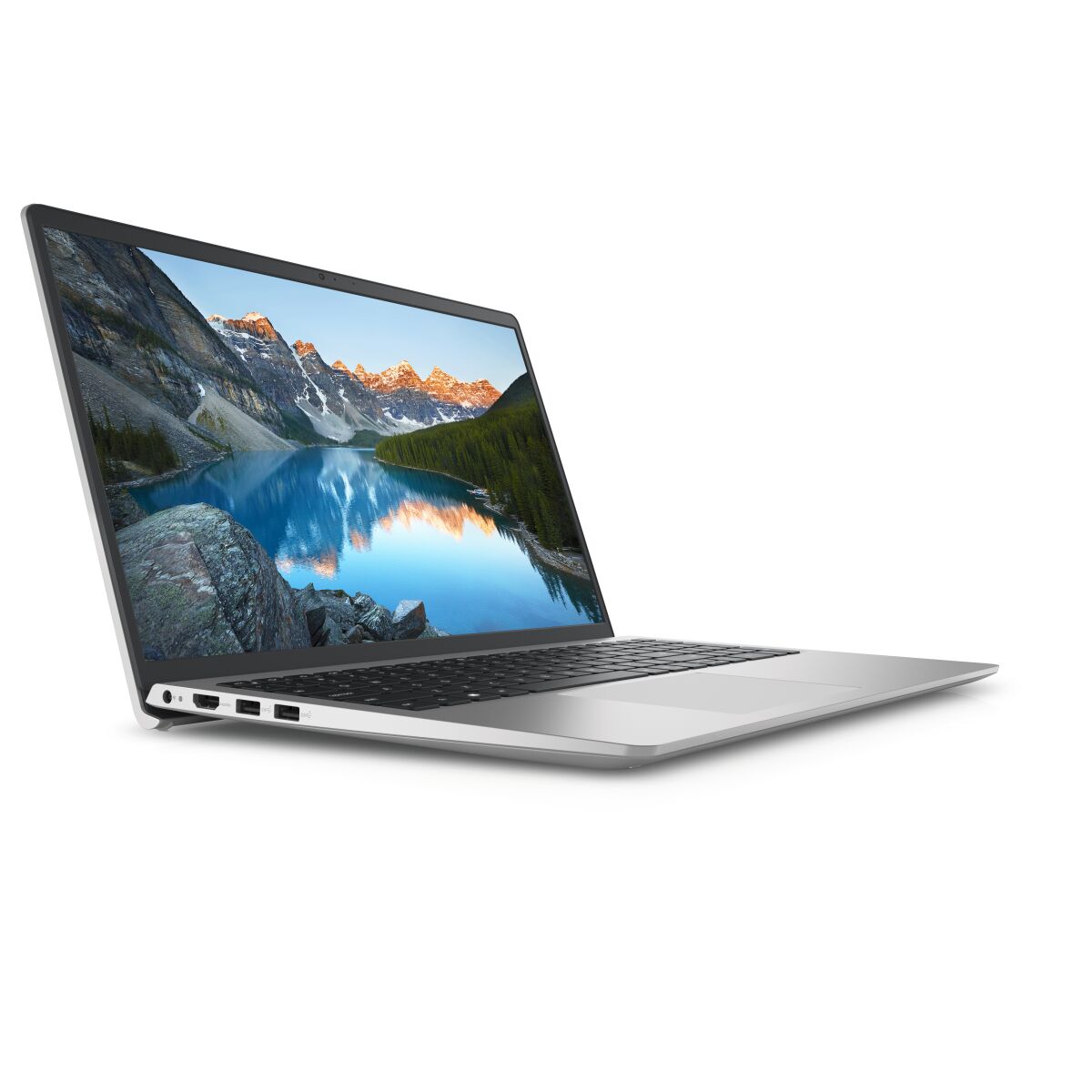

DELL Inspiron 3000 Series model 3515 supports DDR4-SDRAM memory upgrades with 2x SO-DIMM slots. Maximum compatible RAM capacity reaches 16 GB total. Memory specifications include DDR4-SDRAM operating at 2400 MHz frequency in SO-DIMM form factor. RAM upgrade slots allow installation of compatible DDR4 modules to expand system memory capacity beyond original specifications.
Memory Upgrade Specifications
| Specification | Value |
|---|---|
| Memory slots | 2x SO-DIMM |
| Form factor | SO-DIMM |
| Memory type | DDR4-SDRAM |
| Frequency | 2400 MHz |
| Maximum RAM | 16 GB |
| Voltage | 1.2V |
| Number of pins | 260-pin |
| Interface | PC4 |
| PC Speed Rating | PC4-2400 (PC4-19200) |
| Bandwidth | 19.2 GB/s |
| Laptop Release date | 22 October 2021 |
Additional Notes
- The Dell Inspiron 3515 contains 2 SO-DIMM slots operating at 2400 MHz, establishing a strict 16 GB ceiling regardless of individual module capacity. Exceeding this firmware-enforced limit renders additional capacity inaccessible rather than generating errors.
- DDR4-2400 represents the baseline speed tier for this platform. Modules rated for higher frequencies (DDR4-3200 or above) downclock to 2400 MHz upon installation, negating speed advantages without causing incompatibility failures.
- SO-DIMM form factor requires laptop-specific memory modules rather than desktop counterparts. Standard UDIMM memory cannot physically insert into these slots, creating a single upgrade pathway without alternatives.
- The 2-slot architecture means achieving maximum capacity requires either 2x8GB modules or replacing existing modules if the system shipped with smaller configurations. Dual-channel architecture activates only when both slots contain modules of identical capacity and speed.
- Bandwidth throughput maxes out at approximately 19.2 GB/s (2400 MHz x 64-bit bus width). This constraint may bottleneck sustained workloads involving large datasets or high-speed I/O operations depending on processor generation.
- Warranty preservation for aftermarket memory upgrades typically requires purchasing modules meeting DDR4 JEDEC standards for 2400 MHz operation. Non-standard overclocked or specialty memory may trigger terms exclusions despite physical compatibility.