DELL Inspiron 3505 RAM upgrade specifications
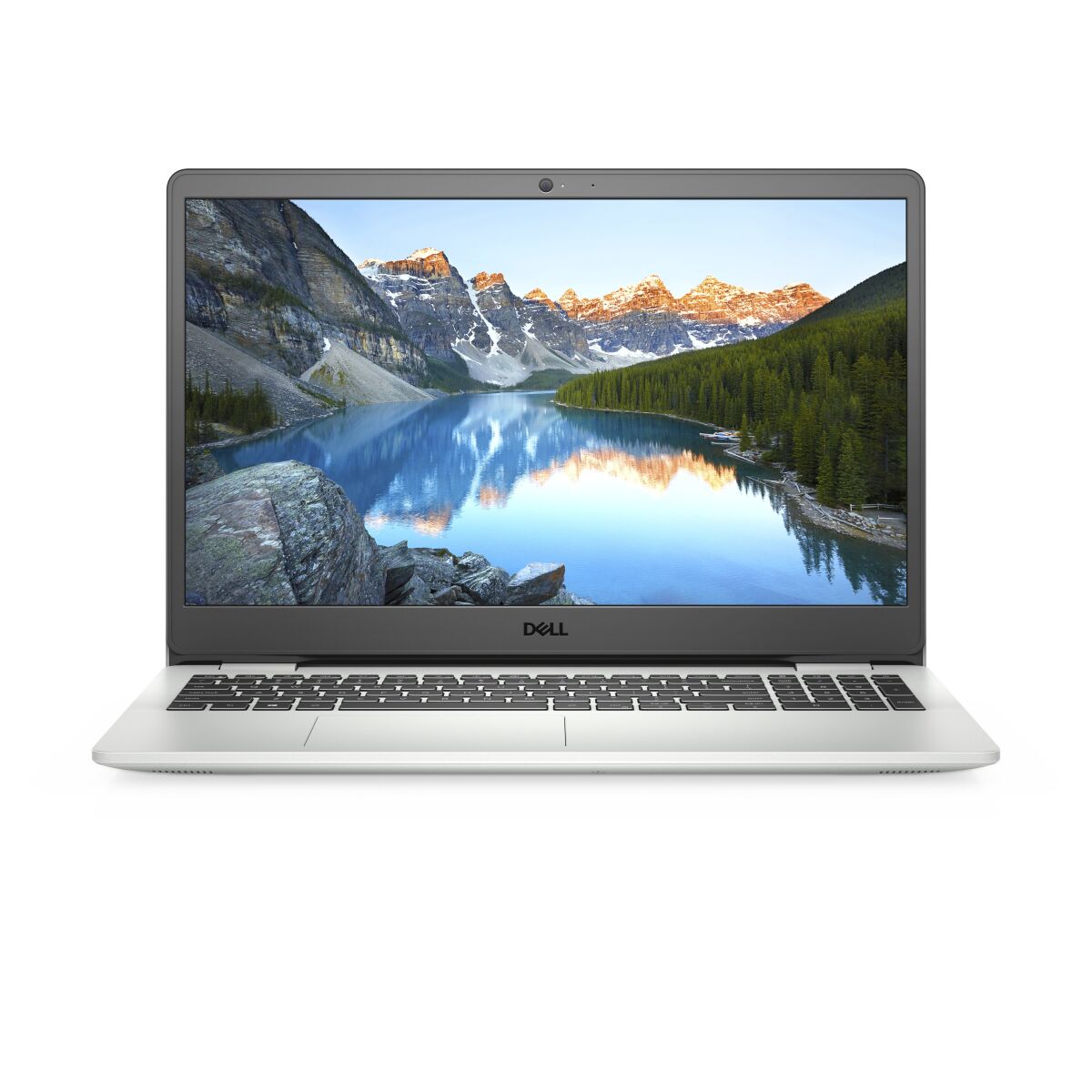
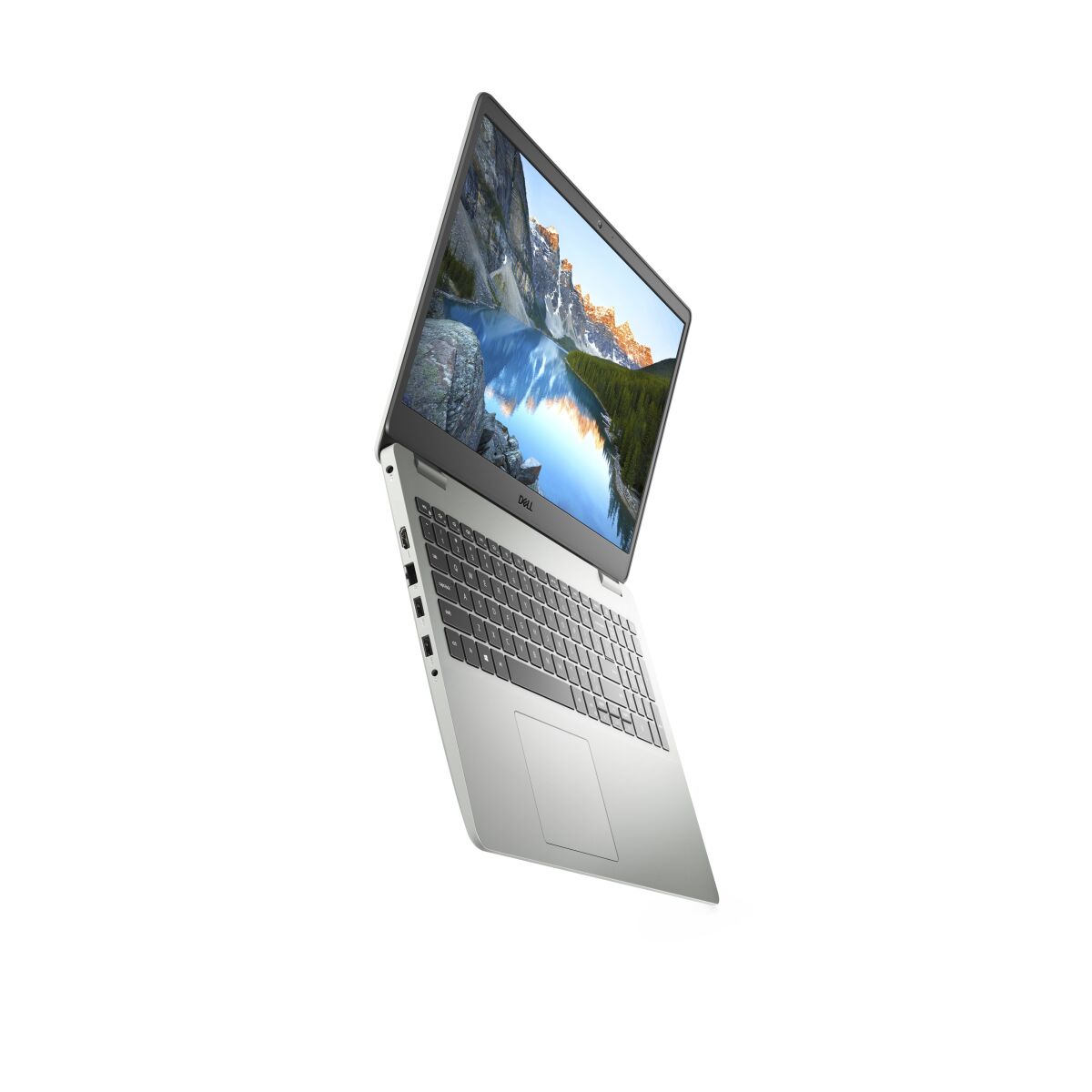
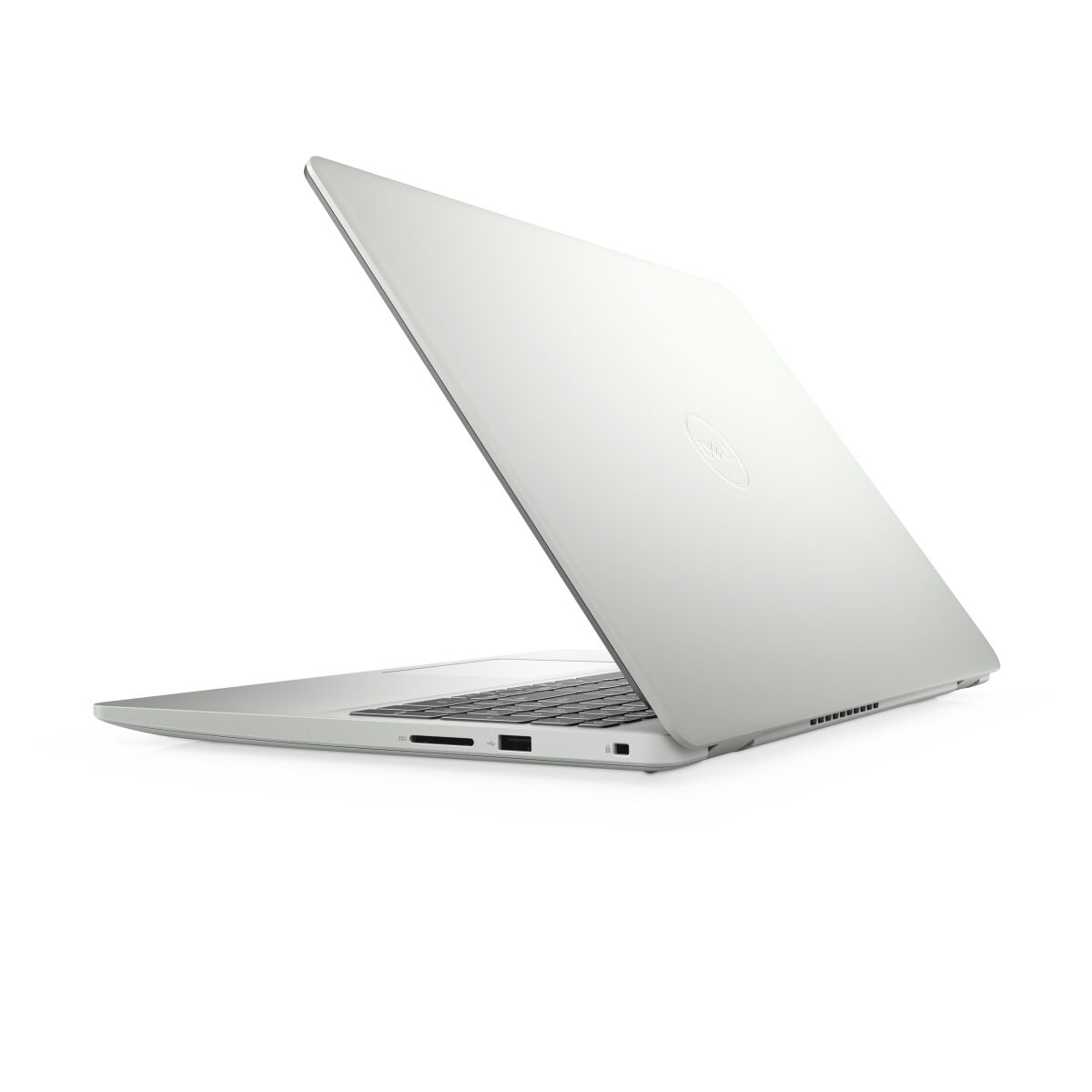
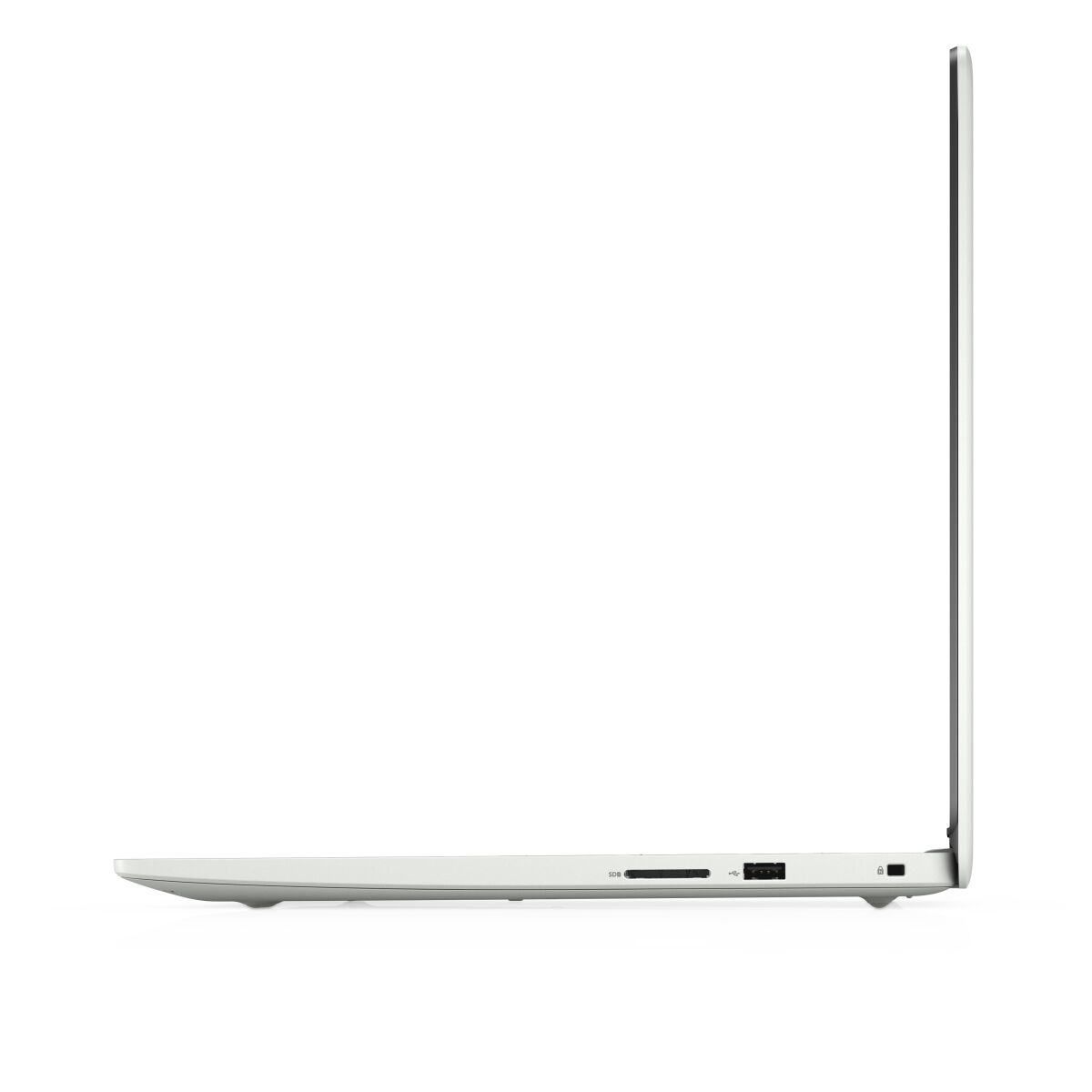
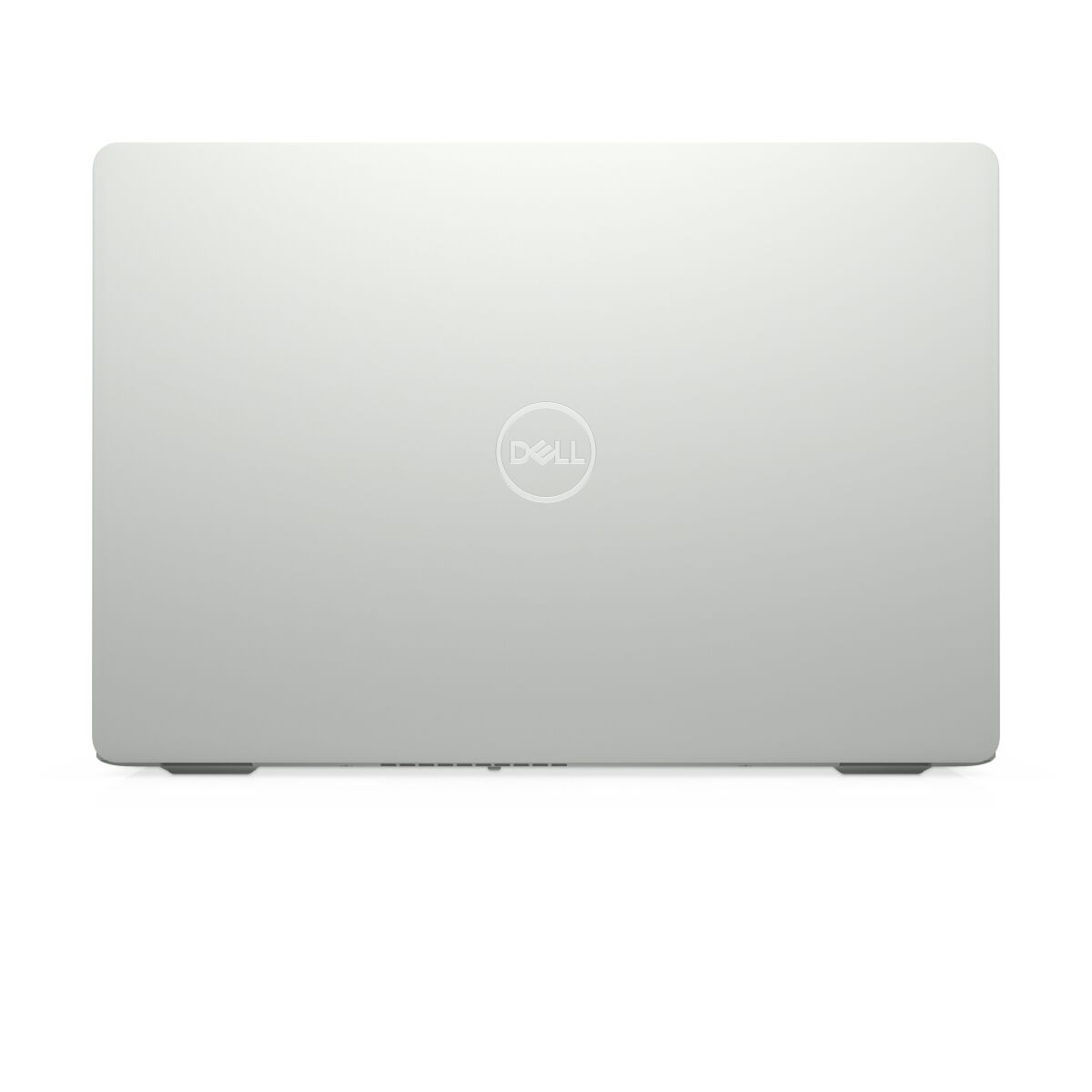
The Dell Inspiron 3000 Series 3505 laptop features two SO-DIMM memory slots supporting DDR4-SDRAM upgrades at 2400 MHz frequency. Maximum RAM capacity reaches 16 GB total. Compatible memory upgrades utilize the SO-DIMM form factor specifications. Upgrade specifications enable users to expand memory beyond factory configuration while maintaining compatibility with the 3505 model's architecture and performance parameters.
Memory Upgrade Specifications
| Specification | Value |
|---|---|
| Memory slots | 2x SO-DIMM |
| Form factor | SO-DIMM |
| Memory type | DDR4-SDRAM |
| Frequency | 2400 MHz |
| Maximum RAM | 16 GB |
| Voltage | 1.2V |
| Number of pins | 260-pin |
| Interface | PC4 |
| PC Speed Rating | PC4-2400 (PC4-19200) |
| Bandwidth | 19.2 GB/s |
| Laptop Release date | 07 September 2020 |
Additional Notes
- The Dell Inspiron 3505 supports DDR4-SDRAM exclusively, making DDR3 or DDR5 modules incompatible regardless of physical form factor similarity.
- Dual SO-DIMM slots enable mixed-capacity configurations (for example, 8 GB plus 4 GB) but asymmetrical pairing may introduce marginal latency penalties compared to matched pairs.
- The 2400 MHz frequency ceiling constrains bandwidth to approximately 19.2 GB/s per channel; higher-frequency DDR4 modules (3200 MHz or above) will downclock to 2400 MHz, negating performance gains from premium memory.
- 16 GB maximum capacity indicates both slots must remain populated to reach the ceiling; removing either SO-DIMM reduces the upper threshold proportionally.
- SO-DIMM form factor requires memory removal via bottom-panel or keyboard-deck access; internal clearance tolerances may restrict heatspreader height to standard profiles, eliminating compatibility with oversized cooling solutions.
- Warranty coverage typically permits end-user RAM installation without voiding coverage if the procedure follows Dell documentation; third-party installation or concurrent component modification may trigger coverage exclusions.
- The 2-slot architecture provides no upgrade path beyond 16 GB; storage and processor upgrades remain the only feasible performance interventions once maximum RAM is installed.