DELL Inspiron 3580 RAM upgrade specifications

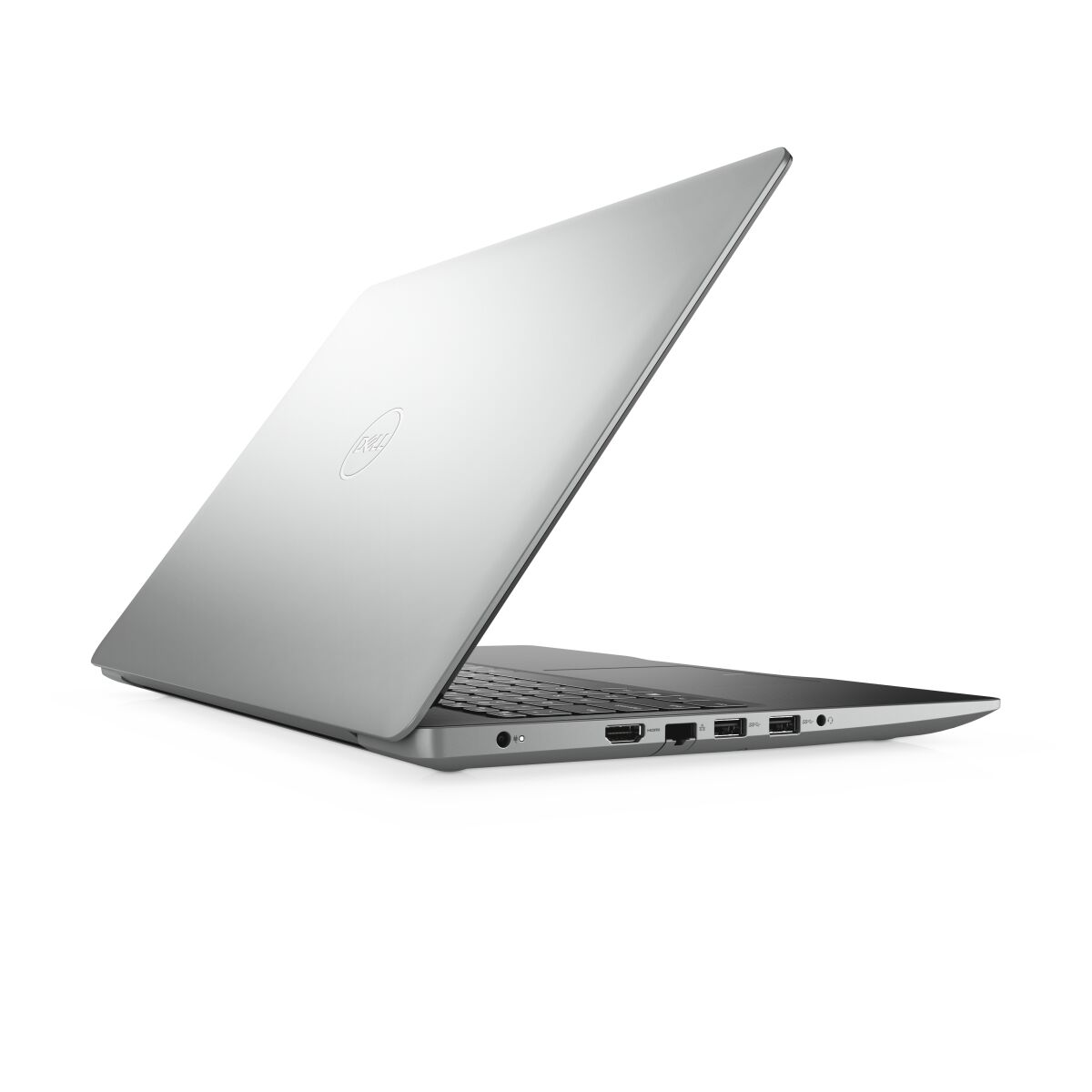

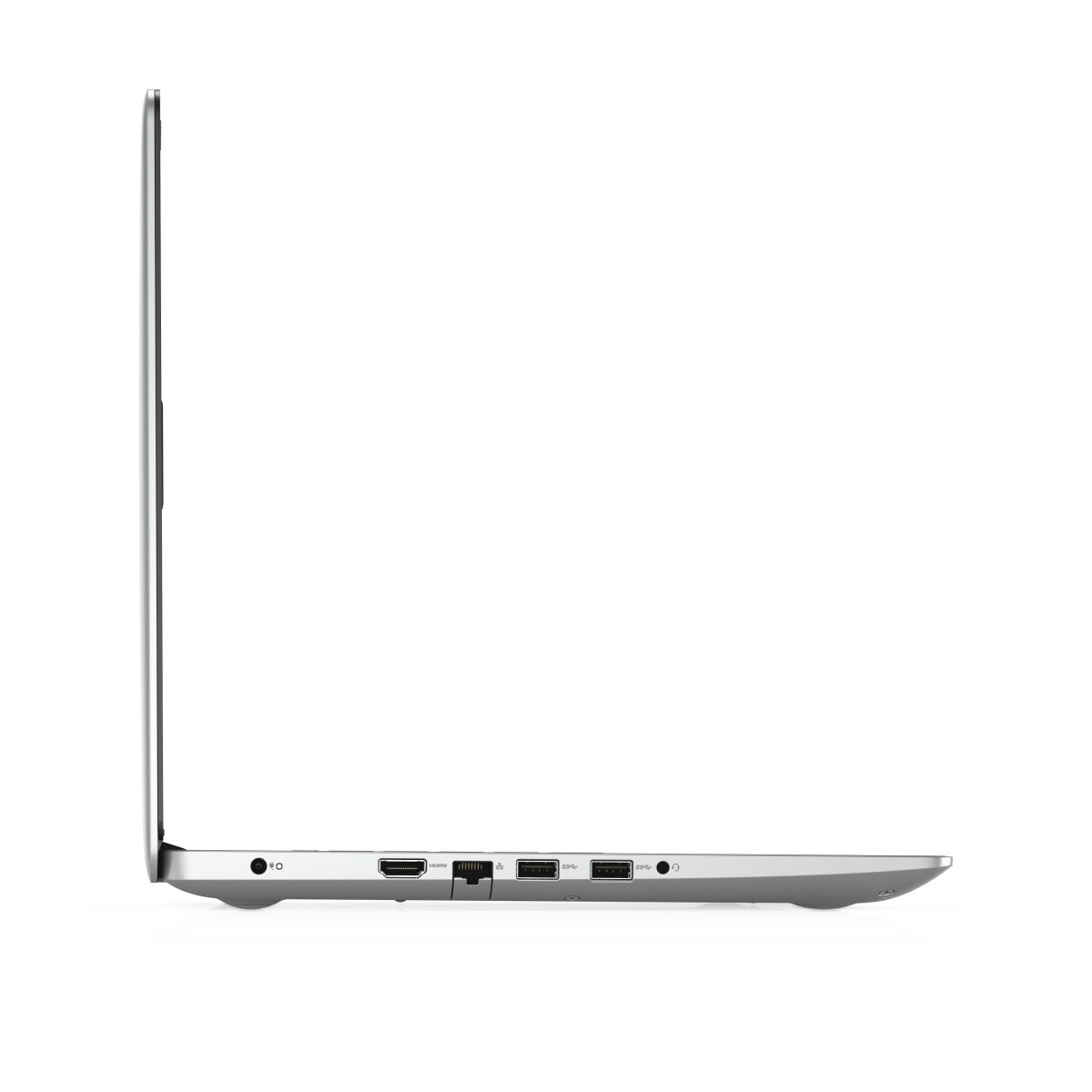

DELL Inspiron 3000 Series 3580 laptop supports DDR4-SDRAM memory upgrades with maximum capacity of 16 GB. The upgrade specifications include 2x SO-DIMM memory slots operating at 2666 MHz frequency. Compatible memory modules utilize SO-DIMM form factor. Current configurations allow for flexible RAM expansion options up to the maximum supported capacity. Memory upgrade compatibility maintains specifications aligned with the DELL Inspiron 3580 design and chipset requirements.
Memory Upgrade Specifications
| Specification | Value |
|---|---|
| Memory slots | 2x SO-DIMM |
| Form factor | SO-DIMM |
| Memory type | DDR4-SDRAM |
| Frequency | 2666 MHz |
| Maximum RAM | 16 GB |
| Voltage | 1.2V |
| Number of pins | 260-pin |
| Interface | PC4 |
| PC Speed Rating | PC4-2666 (PC4-21328) |
| Bandwidth | 21.3 GB/s |
| Laptop Release date | 04 June 2020 |
Additional Notes
- The Dell Inspiron 3580 operates with a 2-slot SO-DIMM configuration, meaning both memory slots must be populated to achieve the 16 GB ceiling; removal of either module reduces total capacity.
- DDR4-2666 MHz frequency represents mid-range performance for this generation; pairing mismatched speeds (mixing DDR4-2400 with DDR4-2666) forces both modules to downclock to the lower speed, reducing effective bandwidth.
- SO-DIMM modules are laptop-specific and incompatible with desktop DDR4 SO-DIMM sockets found in workstations; physical dimensions prevent cross-platform installation without hardware modification.
- The 16 GB maximum capacity constraint means single-module upgrades beyond 8 GB modules do not exist for this platform; upgrading from 4 GB factory configuration requires replacing existing modules rather than adding to empty slots.
- Memory upgrade operations on this model typically fall within manufacturer-permitted service procedures when performed by qualified technicians; proprietary screw types or access panel designs may require specific tools but do not void coverage if manufacturer guidelines are followed.
- DDR4-2666 bandwidth (21.3 GB/s per module) becomes a potential bottleneck when paired with newer integrated or discrete graphics requiring higher memory throughput; applications with intensive memory operations may not fully utilize processor capabilities.