DELL Inspiron 5510 RAM upgrade specifications



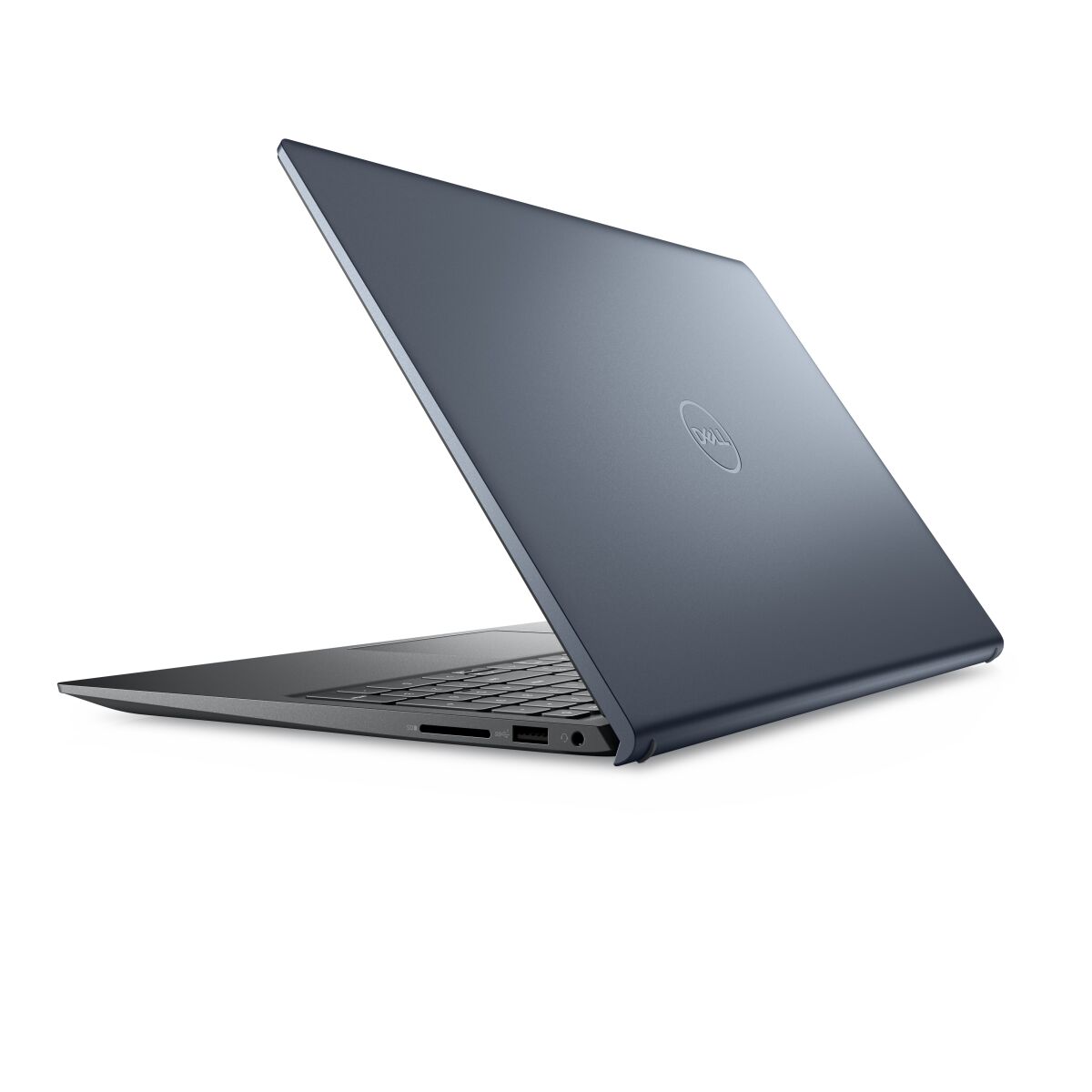
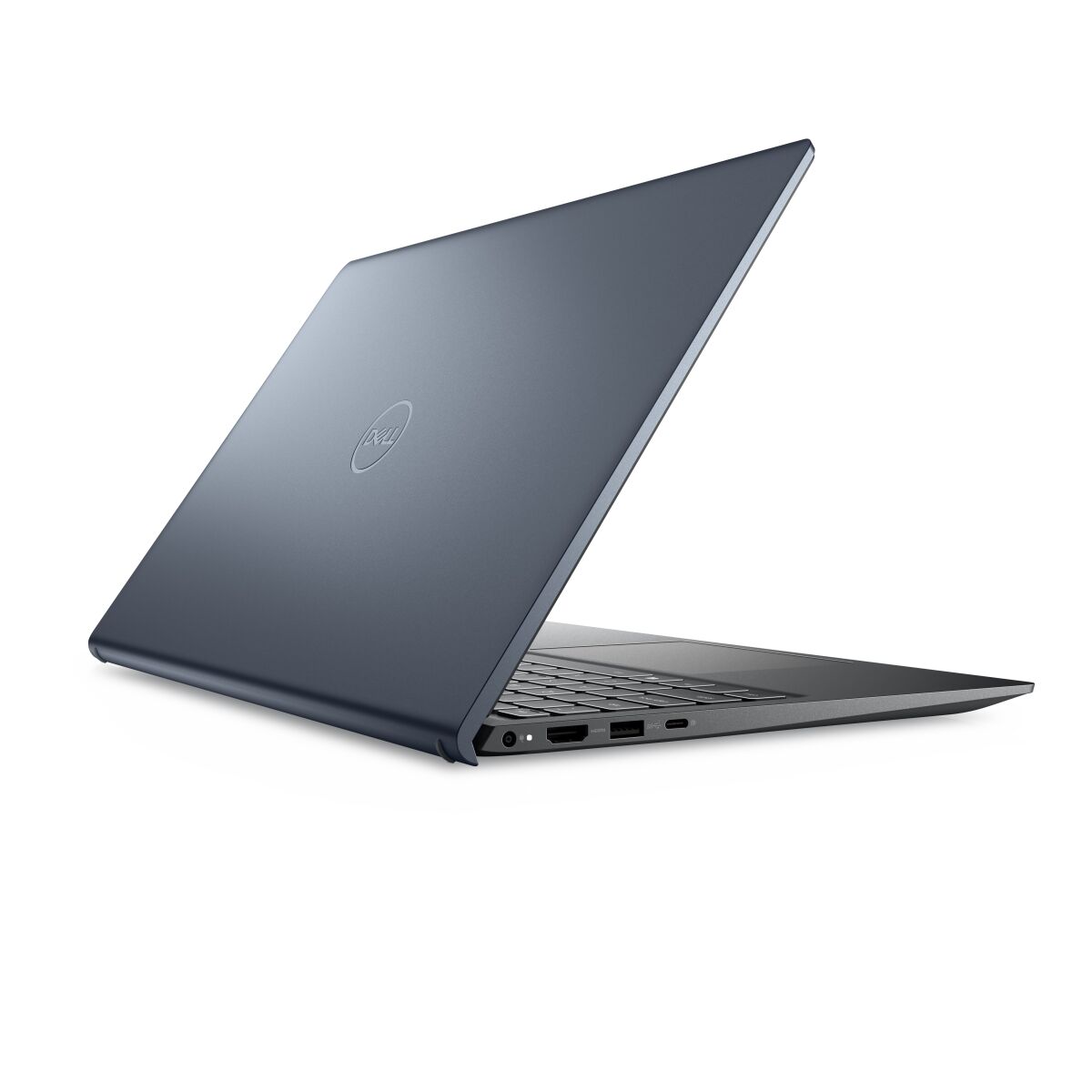
Dell Inspiron 5000 Series 5510 laptop supports DDR4-SDRAM memory upgrades via 2x SO-DIMM slots. Maximum memory capacity reaches 32 GB total. Compatible RAM modules operate at 3200 MHz frequency with SO-DIMM form factor. Upgrade specifications enable expansion from standard configurations to maximum supported capacity. Memory compatibility requires DDR4-SDRAM technology adhering to SO-DIMM specifications.
Memory Upgrade Specifications
| Specification | Value |
|---|---|
| Memory slots | 2x SO-DIMM |
| Form factor | SO-DIMM |
| Memory type | DDR4-SDRAM |
| Frequency | 3200 MHz |
| Maximum RAM | 32 GB |
| Voltage | 1.2V |
| Number of pins | 260-pin |
| Interface | PC4 |
| PC Speed Rating | PC4-3200 (PC4-25600) |
| Bandwidth | 25.6 GB/s |
| Laptop Release date | 13 May 2021 |
Additional Notes
- The Dell Inspiron 5510 dual-channel architecture requires matched pairs for optimal memory interleaving, meaning asymmetric configurations may reduce bandwidth efficiency.
- DDR4-3200 operates at a theoretical peak transfer rate of 25.6 GB/s per channel, though real-world throughput depends on CPU memory controller specifications and CAS latency timings.
- The 32 GB ceiling imposes a 16 GB per slot limitation, eliminating compatibility with higher-density 24 GB or 32 GB modules.
- SO-DIMM modules designed for desktop DDR4 applications will cause physical incompatibility due to differing pin counts and notch positions.
- Mixing modules with different CAS latencies forces the memory controller to operate all DIMMs at the slowest timing profile present in the configuration.
- Voltage specification adherence to DDR4 standard 1.2V is critical, as non-compliant modules may trigger POST failures or thermal throttling.
- Access to memory slots typically requires bottom panel removal, though specific disassembly procedures vary based on whether the system uses user-accessible compartments or requires full baseplate detachment.
- Installing non-qualified memory may void manufacturer warranty coverage unless local consumer protection laws mandate component upgrade rights.
- Single-rank versus dual-rank module topology affects memory controller utilization efficiency, with dual-rank configurations sometimes providing marginal performance gains in memory-intensive workloads.
- XMP or overclocking profiles will not activate on this platform, as mobile chipsets enforce JEDEC-standard frequency limits regardless of module SPD capabilities.