DELL Inspiron 5515 RAM upgrade specifications

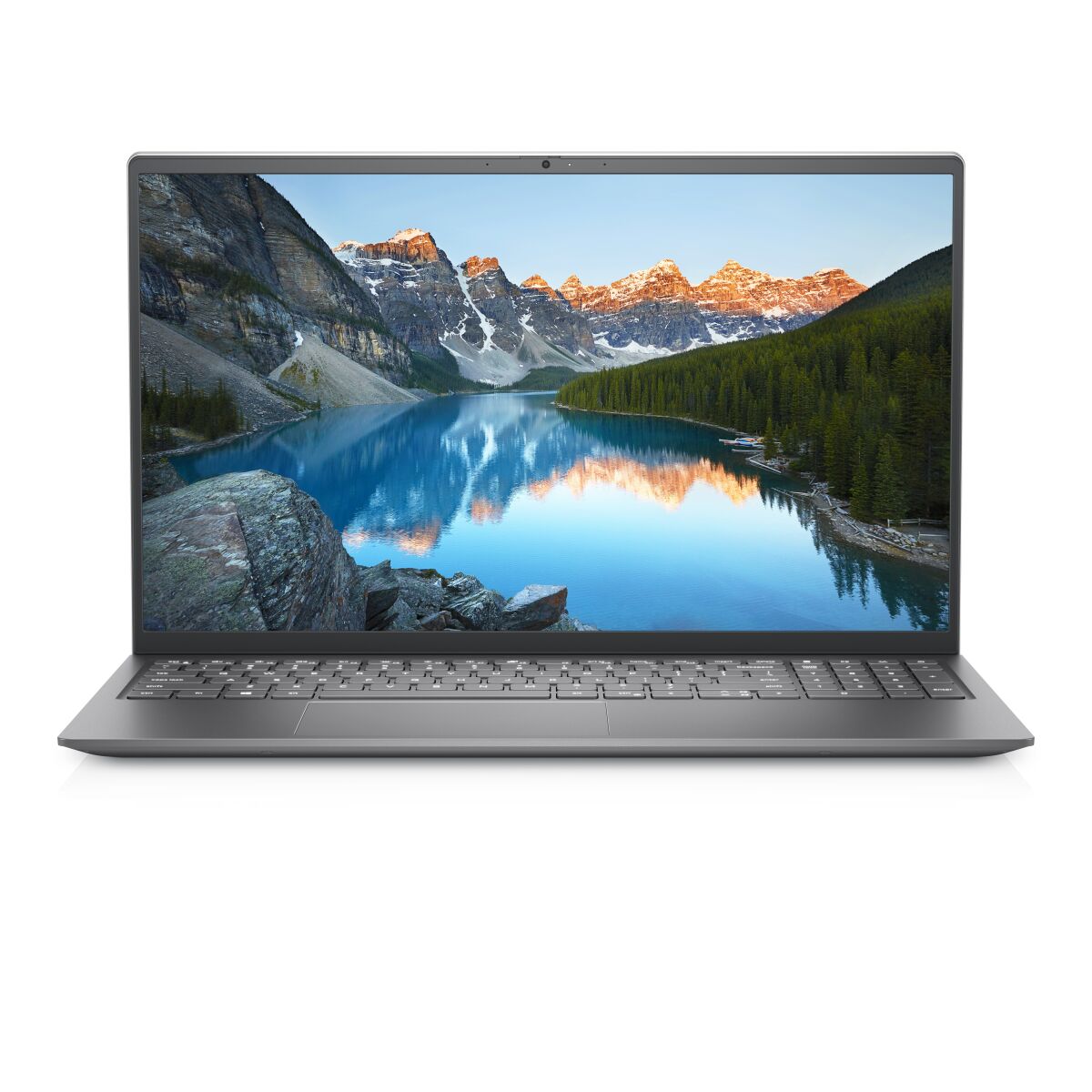

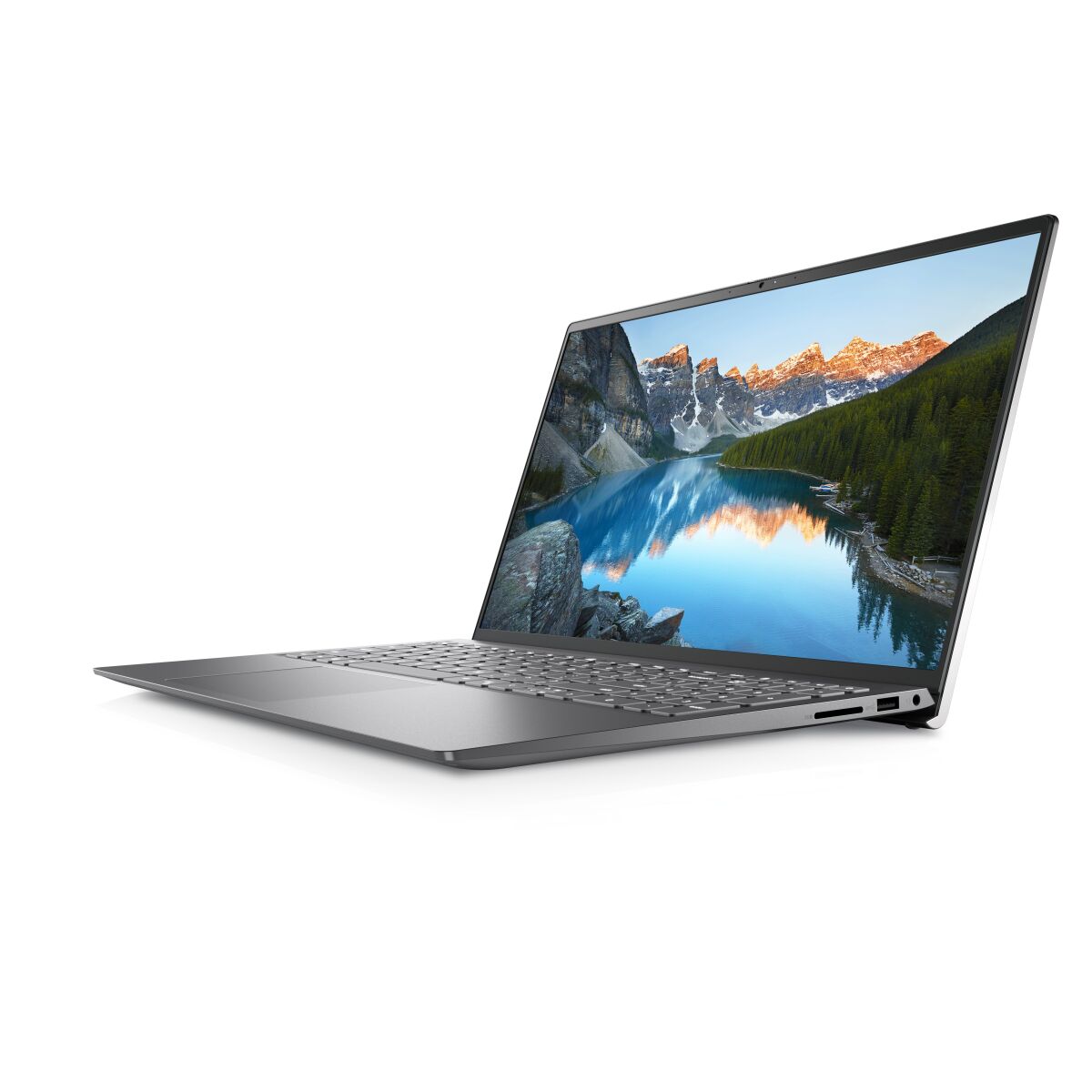
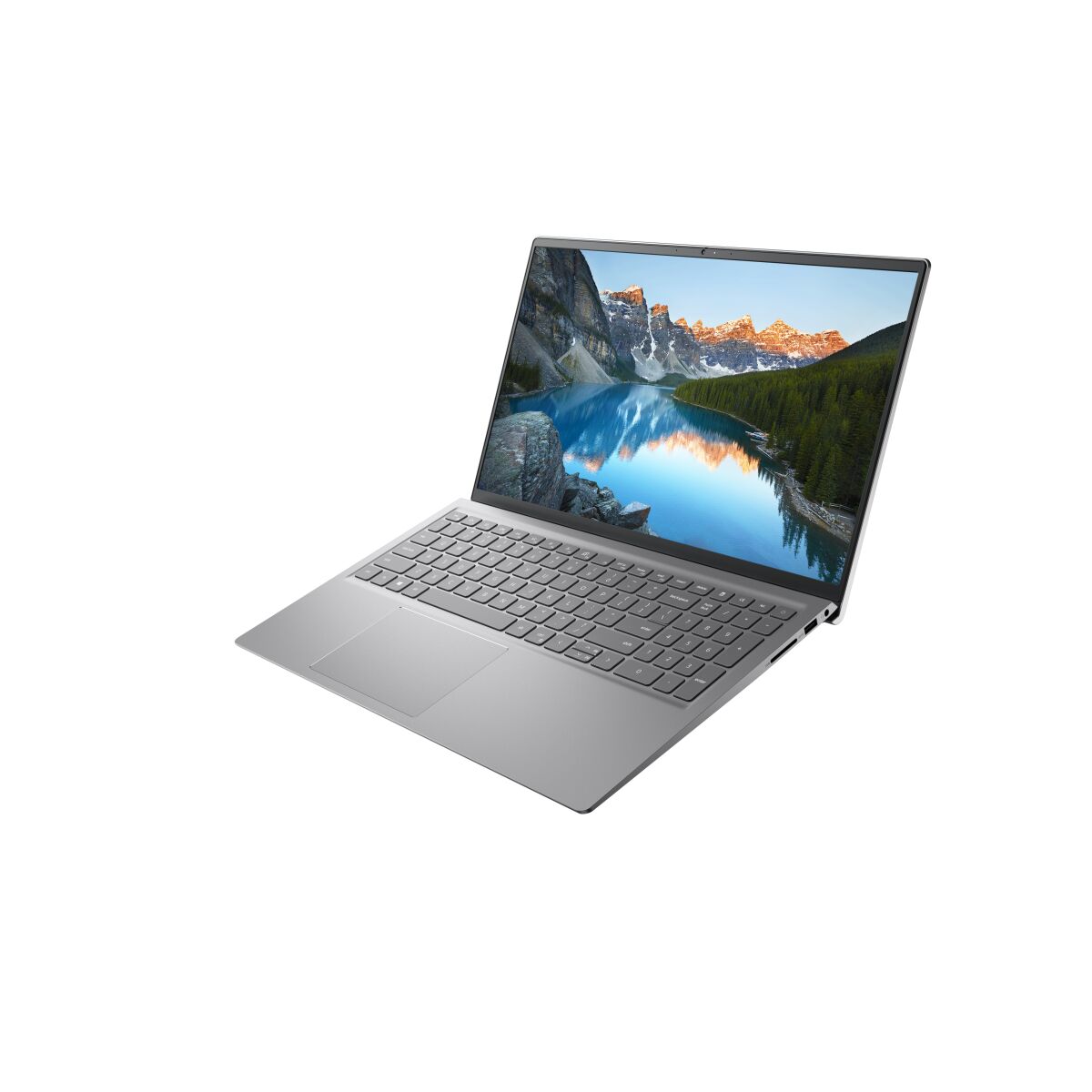
Dell Inspiron 5000 Series 5515 laptop features DDR4-SDRAM memory configuration with 2x SO-DIMM slots supporting maximum capacity of 32 GB. Memory upgrade specifications include DDR4 modules operating at 3200 MHz frequency. Compatible RAM upgrades utilize SO-DIMM form factor, enabling users to expand system memory from factory configurations up to the 32 GB maximum capacity. Memory slots accommodate standard DDR4-SDRAM upgrades for performance enhancement.
Memory Upgrade Specifications
| Specification | Value |
|---|---|
| Memory slots | 2x SO-DIMM |
| Form factor | SO-DIMM |
| Memory type | DDR4-SDRAM |
| Frequency | 3200 MHz |
| Maximum RAM | 32 GB |
| Voltage | 1.2V |
| Number of pins | 260-pin |
| Interface | PC4 |
| PC Speed Rating | PC4-3200 (PC4-25600) |
| Bandwidth | 25.6 GB/s |
| Laptop Release date | 29 April 2021 |
Additional Notes
- The DELL Inspiron 5515 memory controller restricts total capacity to 32 GB across both slots, meaning configurations exceeding 16 GB per module will not function regardless of physical compatibility.
- The 3200 MHz specification represents the maximum supported frequency, so installing faster modules will result in automatic downclocking to this speed, negating any premium paid for higher-rated memory.
- Both SO-DIMM slots must remain accessible after installation, which may require removal of the bottom chassis panel and potentially void certain warranty seals depending on regional service policies.
- DDR4 SO-DIMM modules operate at either 1.2V or 1.35V, but mixing voltage standards between slots can cause POST failures or force the system to default to the higher voltage across both channels.
- The dual-slot configuration enables dual-channel operation when matched modules occupy both positions, effectively doubling memory bandwidth compared to single-module installations.
- Non-ECC unbuffered modules represent the only compatible architecture, as this consumer platform lacks the memory controller logic required for error-correcting or registered memory types.
- Asymmetric configurations like 8 GB plus 16 GB will operate but sacrifice dual-channel mode for the capacity exceeding the smaller module, creating a performance penalty in memory-intensive applications.
- CAS latency ratings vary among 3200 MHz modules, with CL22 representing the JEDEC standard while CL16-CL19 variants require XMP profile support that this platform may not expose in BIOS.