DELL Inspiron 5559 RAM upgrade specifications
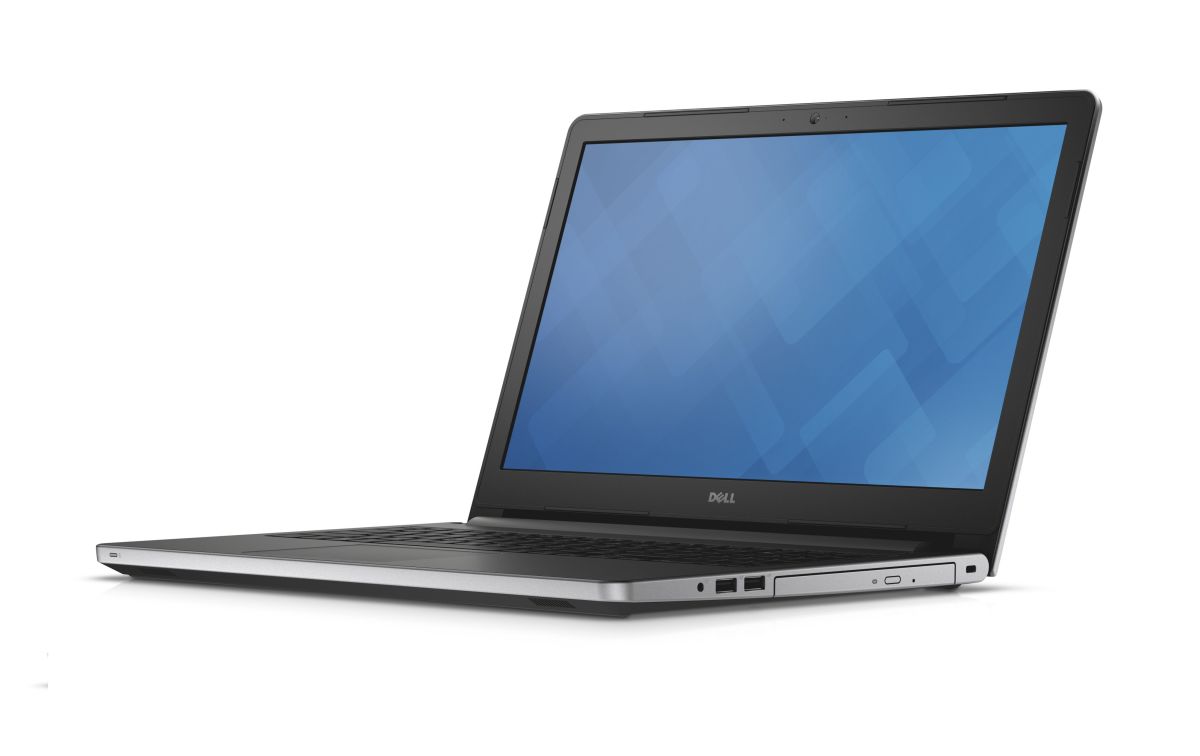
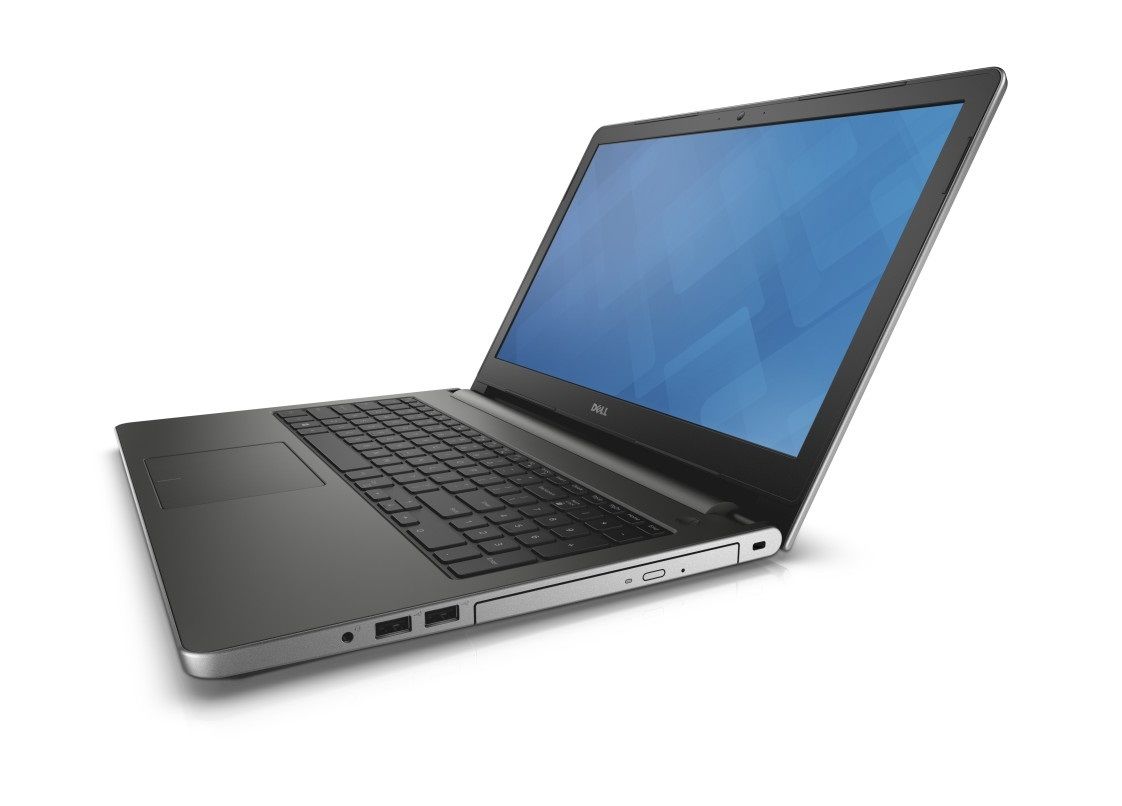
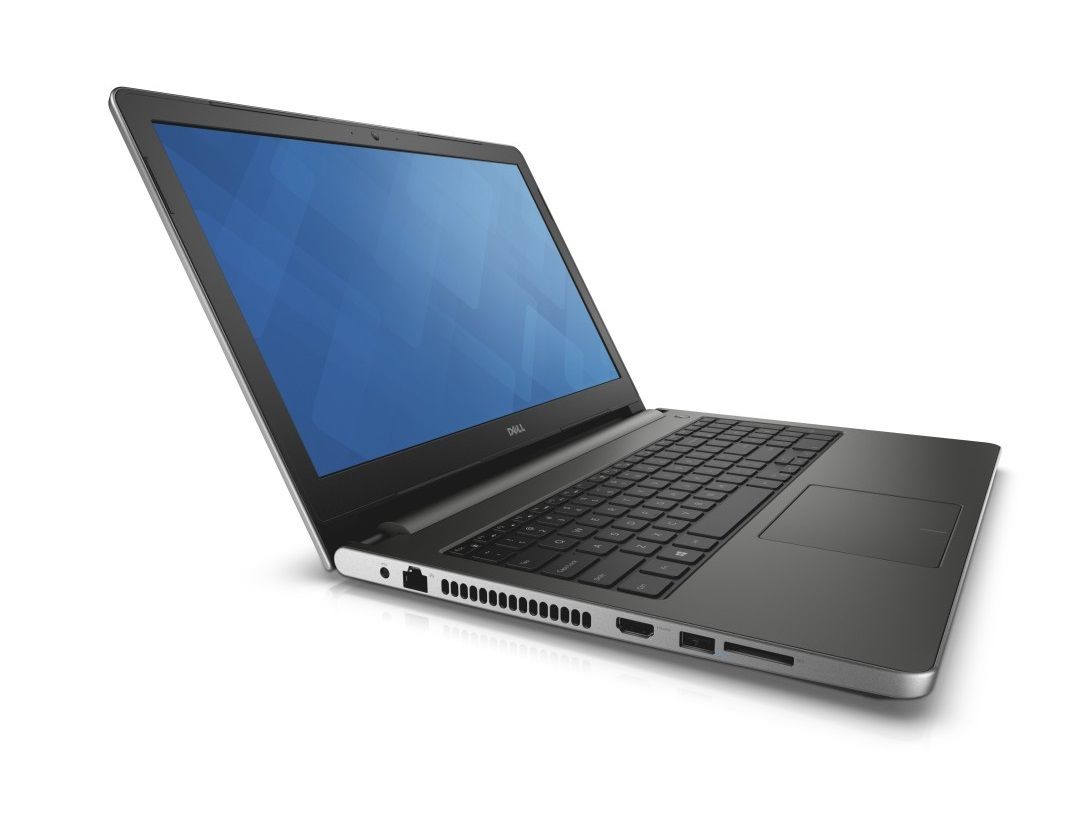


The DELL Inspiron 5000 Series 5559 laptop features two SO-DIMM memory slots supporting DDR3L-SDRAM modules at 1600 MHz frequency. Maximum RAM capacity reaches 16 GB total when both slots are populated with compatible upgrades. The memory form factor specification utilizes SO-DIMM modules, standard for laptop configurations. Upgrade specifications indicate compatible memory modules must meet DDR3L-SDRAM standards to ensure proper function within the Inspiron 5559 platform architecture.
Memory Upgrade Specifications
| Specification | Value |
|---|---|
| Memory slots | 2x SO-DIMM |
| Form factor | SO-DIMM |
| Memory type | DDR3L-SDRAM |
| Frequency | 1600 MHz |
| Maximum RAM | 16 GB |
| Voltage | 1.35V (Low Voltage) |
| Number of pins | 204-pin |
| Interface | PC3L |
| PC Speed Rating | PC3L-1600 (PC3L-12800) |
| Bandwidth | 12.8 GB/s |
| Laptop Release date | 11 February 2019 |
Additional Notes
- DDR3L low-voltage memory requirement restricts module selection to DDR3L variants; standard DDR3 modules operating at 1.5V will cause boot failures or system instability on the Dell Inspiron 5559 due to voltage incompatibility.
- The 2 SO-DIMM slot architecture necessitates complete memory replacement rather than additive upgrades; removing the factory-installed module is mandatory to reach the 16 GB ceiling, as stacking additional capacity in a single slot is not feasible.
- 1600 MHz frequency ceiling eliminates compatibility with faster DDR3L modules rated at 1866 MHz or higher; the motherboard will downclock faster modules to 1600 MHz, negating performance gains and potentially causing compatibility issues during initialization.
- Upgrading a single slot while retaining the original module in the other slot creates asymmetrical capacity configurations; the system will operate at the speed and latency of the slowest module, degrading performance if modules have different specifications.
- SO-DIMM form factor confirms this is a laptop-class design with thermal and spatial constraints; third-party memory modules must meet SO-DIMM physical dimensions precisely, as oversized or poorly designed heatsinks may contact internal components or obstruct battery placement.
- 16 GB maximum capacity limits multitasking headroom for memory-intensive applications such as virtual machines, large datasets, or concurrent development environments; tasks requiring sustained allocation above this threshold will trigger swap file usage and secondary storage bottlenecks.
- BIOS updates from Dell may extend memory compatibility or adjust frequency stability; firmware revisions should be applied before attempting maximum-capacity configurations to avoid undocumented incompatibilities with certain DDR3L batches.