DELL Inspiron 5565 RAM upgrade specifications
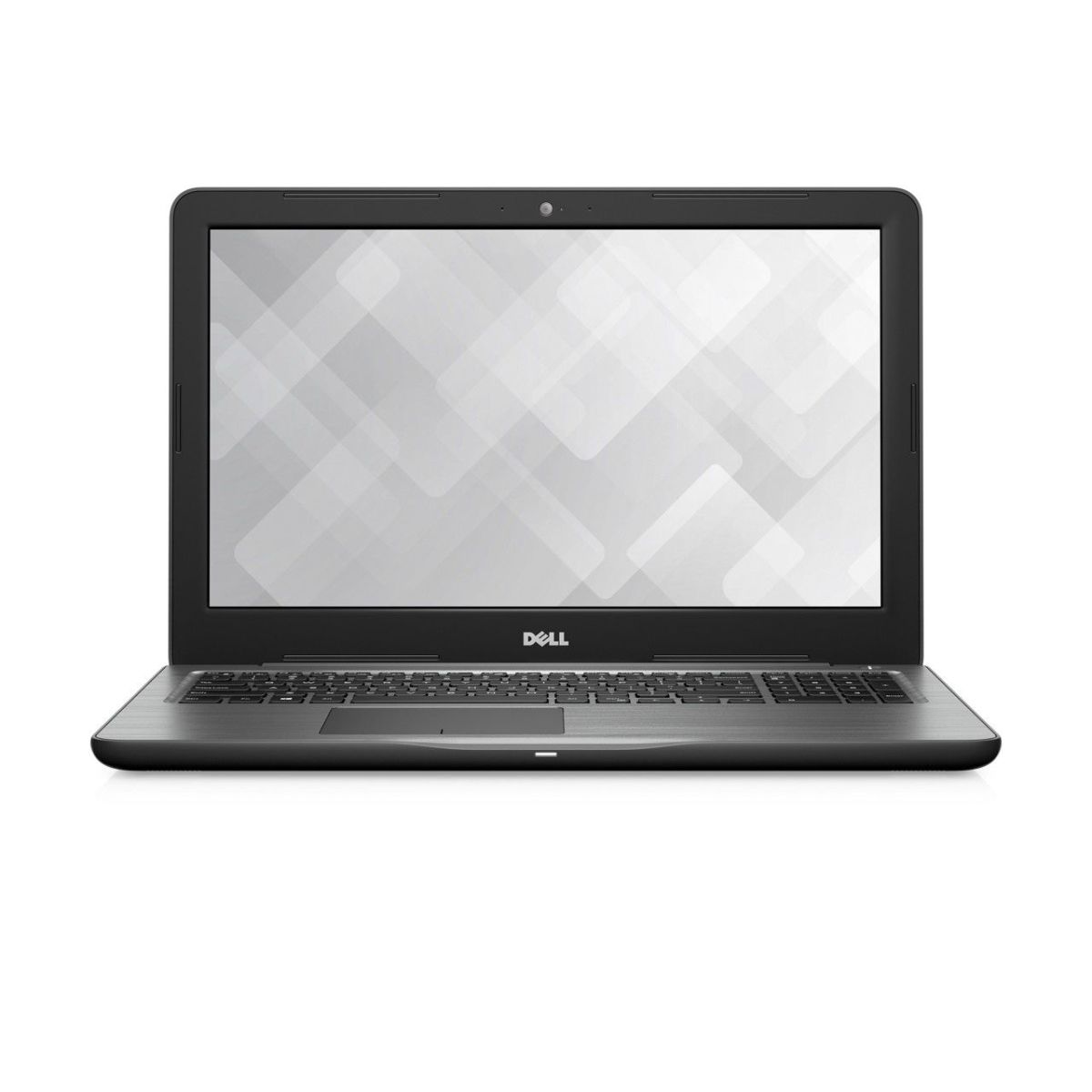
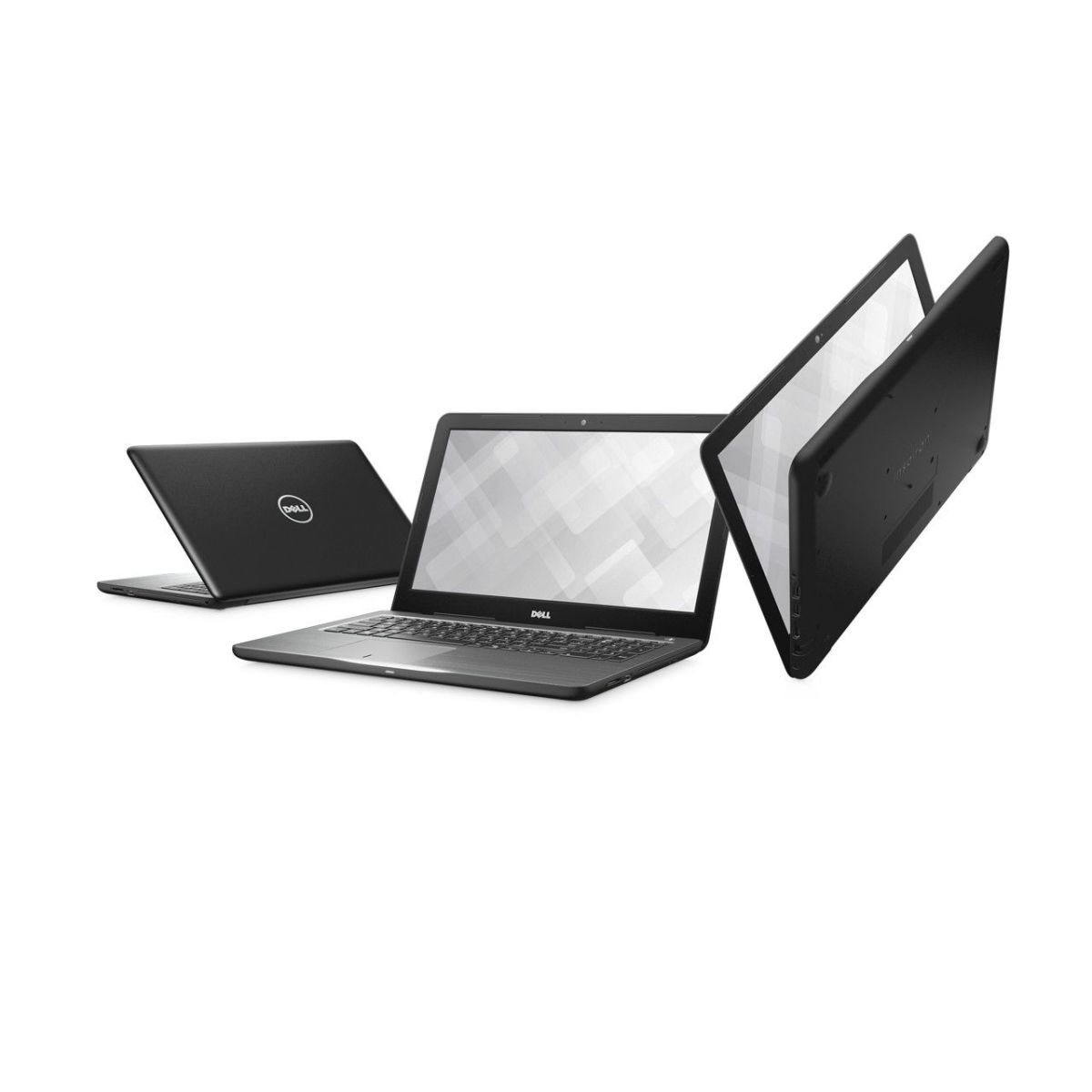

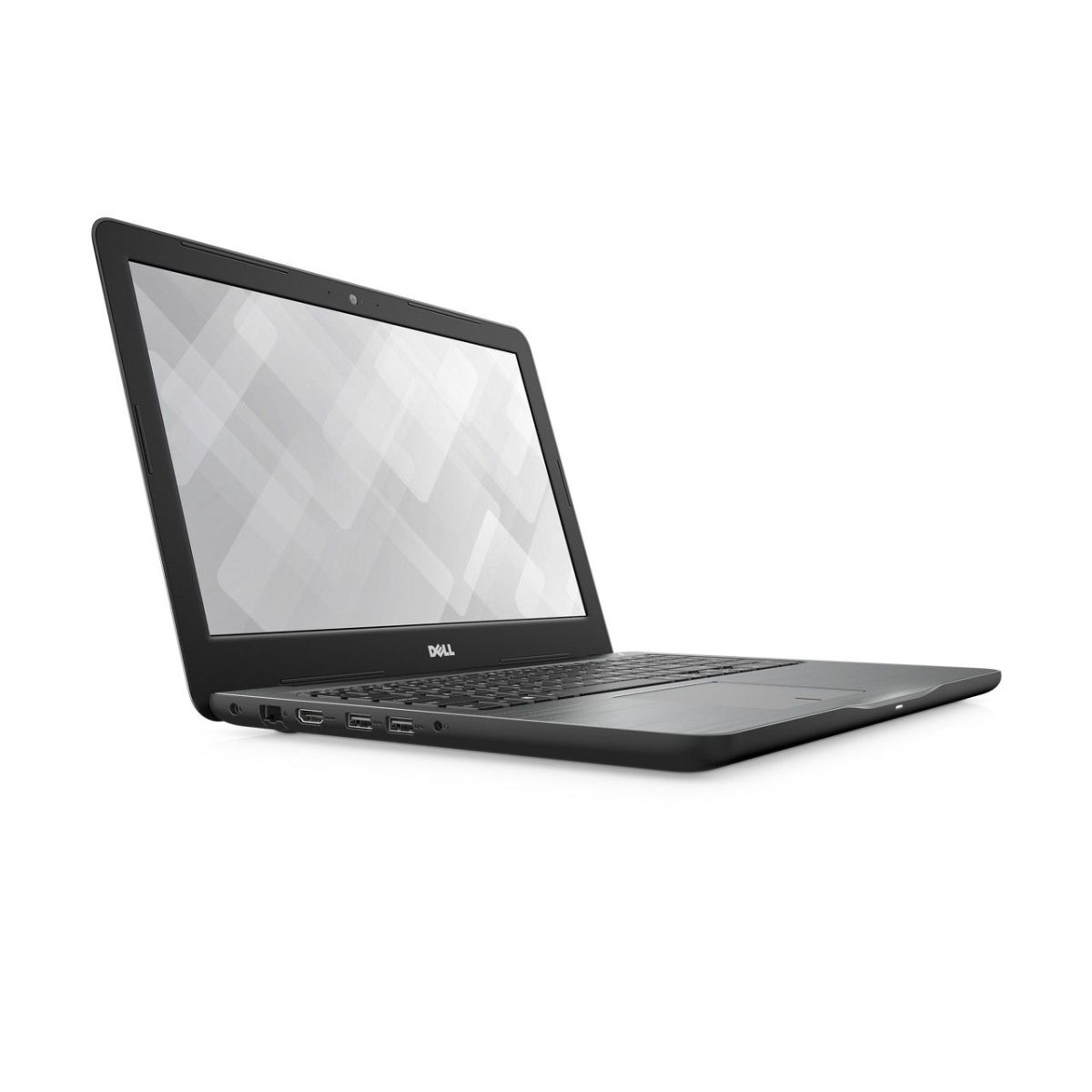
Dell Inspiron 5000 Series 5565 laptop memory upgrade specifications include DDR4-SDRAM compatibility with maximum RAM capacity of 16 GB. The system features 2x SO-DIMM slots supporting SO-DIMM form factor modules. Compatible memory operates at 1866 MHz frequency. Upgrade configurations allow installation of matched pairs up to the maximum 16 GB capacity across available memory slots for enhanced system performance.
Memory Upgrade Specifications
| Specification | Value |
|---|---|
| Memory slots | 2x SO-DIMM |
| Form factor | SO-DIMM |
| Memory type | DDR4-SDRAM |
| Frequency | 1866 MHz |
| Maximum RAM | 16 GB |
| Voltage | 1.2V |
| Number of pins | 260-pin |
| Interface | PC4 |
| PC Speed Rating | PC4-1866 (PC4-14928) |
| Bandwidth | 14.9 GB/s |
| Laptop Release date | 18 May 2018 |
Additional Notes
- The 2 SO-DIMM slot configuration mandates symmetric capacity pairing; mismatched module capacities will trigger single-channel degradation and eliminate dual-channel performance gains.
- DDR4-1866 MHz frequency represents the native supported speed; higher-frequency modules (DDR4-2133 and above) will downclock to 1866 MHz, negating any speed premium paid for faster memory.
- 16 GB total capacity ceiling indicates no path exists for future expansion beyond this threshold, requiring full module replacement if additional capacity becomes necessary rather than additive upgrades.
- SO-DIMM form factor locks the upgrade to laptop-specific modules; standard DIMM modules are physically incompatible and cannot be force-fitted without permanent hardware damage.
- The 1x8 GB configuration creates a performance deficit compared to 2x8 GB symmetric pairing; migration to dual identical modules reduces memory latency and unlocks full 64-bit dual-channel bandwidth (approximately 29.9 GB/s vs 14.9 GB/s).
- Single-module occupancy leaves 1 available slot; this permits non-disruptive capacity expansion through addition of a matching module without removing existing memory.
- DDR4-SDRAM's lower voltage profile (1.2V) versus DDR3 predecessors reduces thermal stress on the integrated memory controller, extending system stability during sustained workloads on this mobile platform.