DELL Inspiron 5578 RAM upgrade specifications
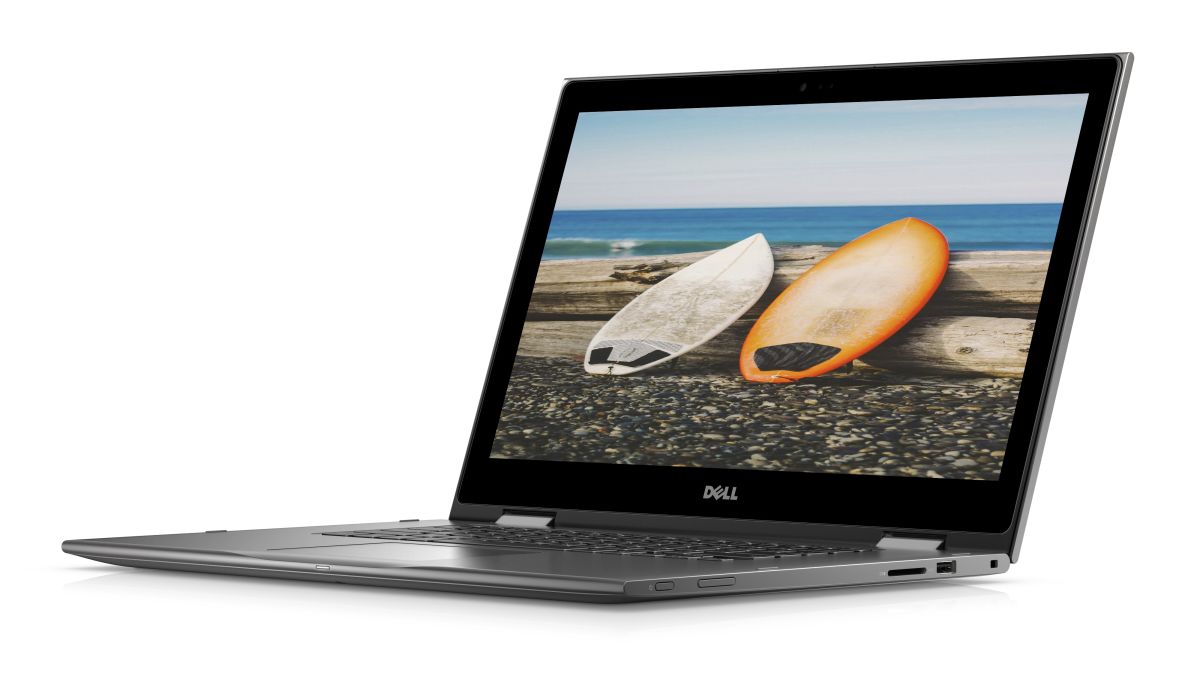
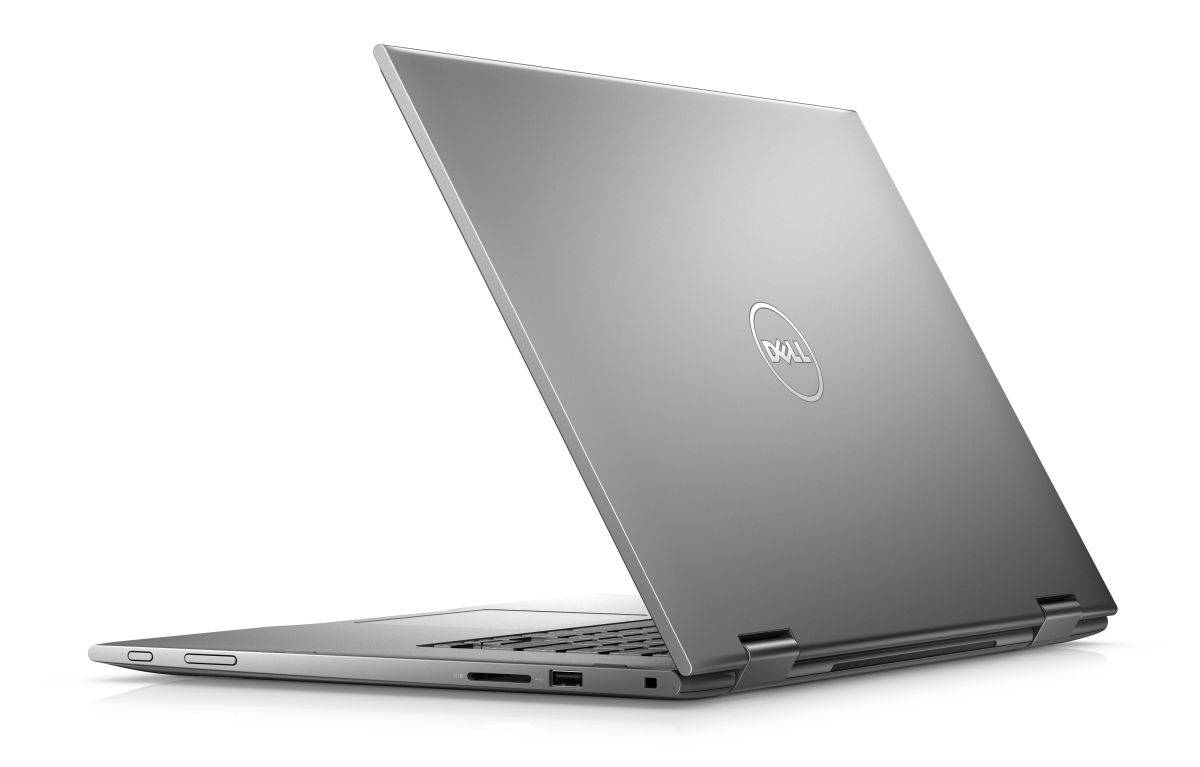
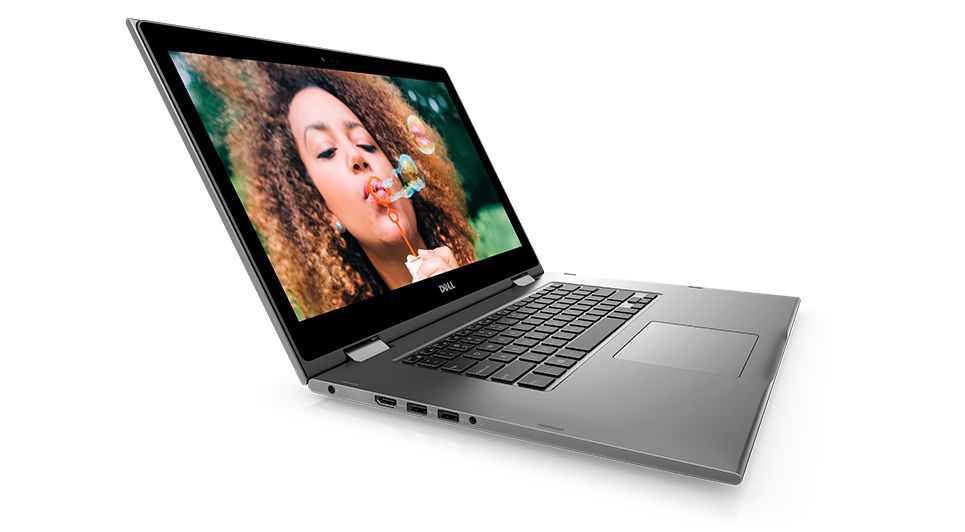
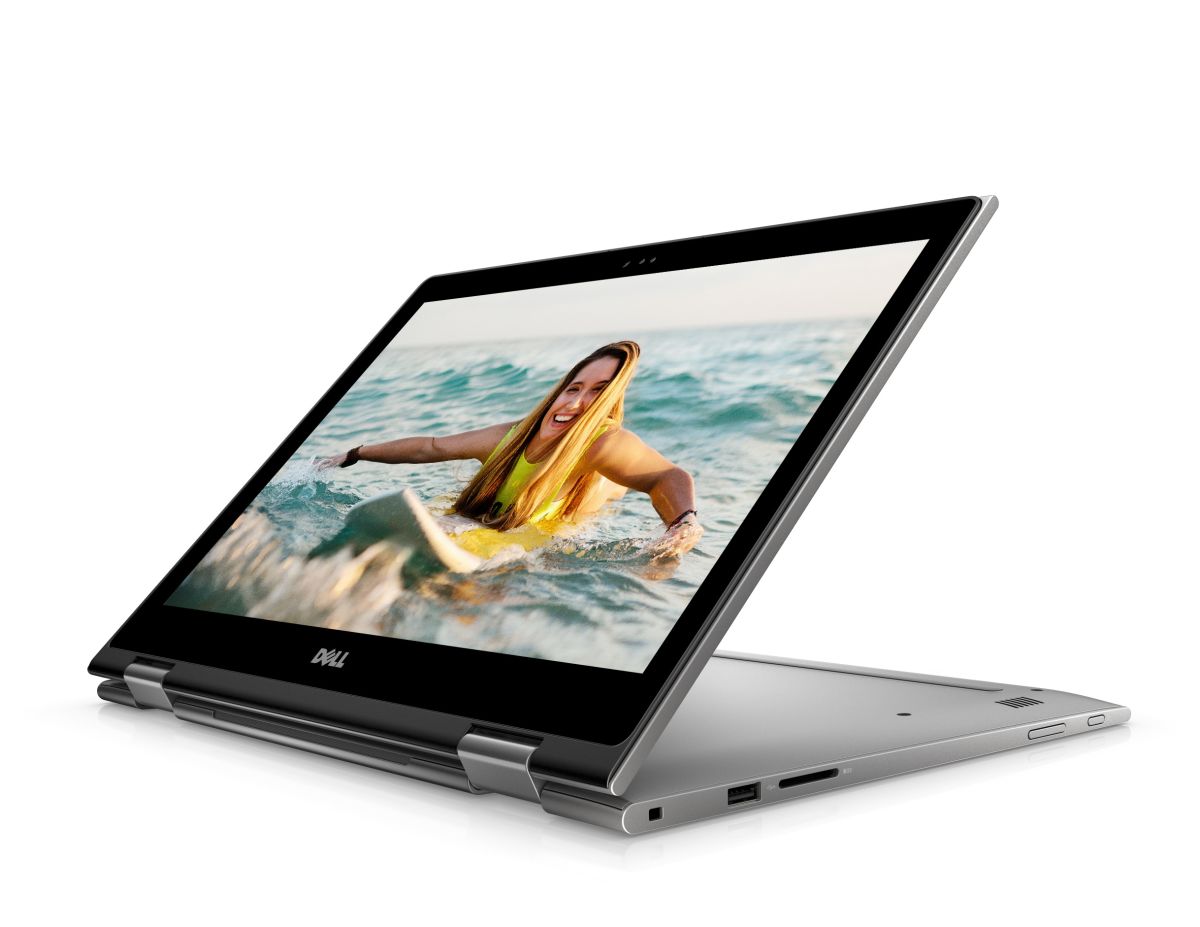
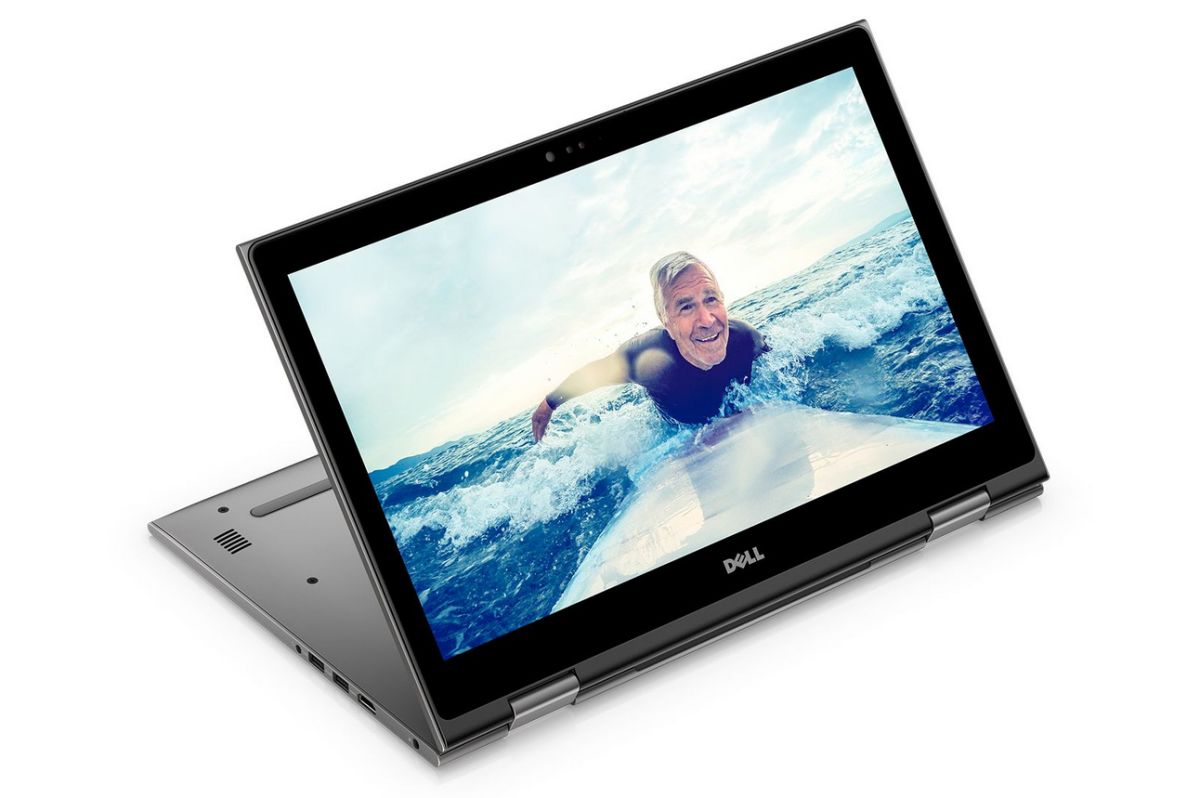
The DELL Inspiron 5000 Series model 5578 features two SO-DIMM slots for memory expansion. The laptop supports DDR4-SDRAM memory operating at 2400 MHz frequency. Maximum RAM capacity is 16 GB, allowing for dual-slot upgrades to reach the upper specifications limit. Compatible memory modules must meet DDR4 specifications and SO-DIMM form factor requirements for proper installation in the available slots.
Memory Upgrade Specifications
| Specification | Value |
|---|---|
| Memory slots | 2x SO-DIMM |
| Form factor | SO-DIMM |
| Memory type | DDR4-SDRAM |
| Frequency | 2400 MHz |
| Maximum RAM | 16 GB |
| Voltage | 1.2V |
| Number of pins | 260-pin |
| Interface | PC4 |
| PC Speed Rating | PC4-2400 (PC4-19200) |
| Bandwidth | 19.2 GB/s |
| Laptop Release date | 30 November 2018 |
Additional Notes
- The Dell Inspiron 5578 supports DDR4-2400 memory exclusively, which operates at a lower frequency band than contemporary DDR4 standards (3000+ MHz). This frequency ceiling limits performance gains from newer, faster memory modules and represents a potential bottleneck when paired with modern processors in multi-threaded workflows.
- The 2-slot SO-DIMM configuration allows only matched-pair upgrades to reach the 16 GB maximum. Uneven slot population (such as 8 GB plus 4 GB) forces the system to operate in single-channel mode, reducing bandwidth by approximately 50% and degrading memory-intensive application performance.
- SO-DIMM form factor memory is physically compact and not interchangeable with desktop DIMM modules. Replacement memory must be sourced from laptop-specific catalogs; desktop memory installation results in hardware incompatibility and potential physical damage to connectors.
- Upgrading beyond the factory configuration voids manufacturer memory-related warranty coverage on many Dell systems. Warranty reinstatement typically requires returning to the original memory configuration or obtaining pre-approval through Dell support channels before installation.
- The 16 GB upper limit constrains long-term viability for memory-intensive applications such as virtualization, video rendering, or large dataset processing. Future workload expansion beyond this capacity threshold requires hardware replacement rather than incremental upgrades.
- DDR4-2400 modules are progressively harder to source in retail channels as the market transitions to DDR5. Lead times for compatible replacements are lengthening, and pricing premiums may apply due to reduced manufacturing volume.