DELL Inspiron 5582 RAM upgrade specifications

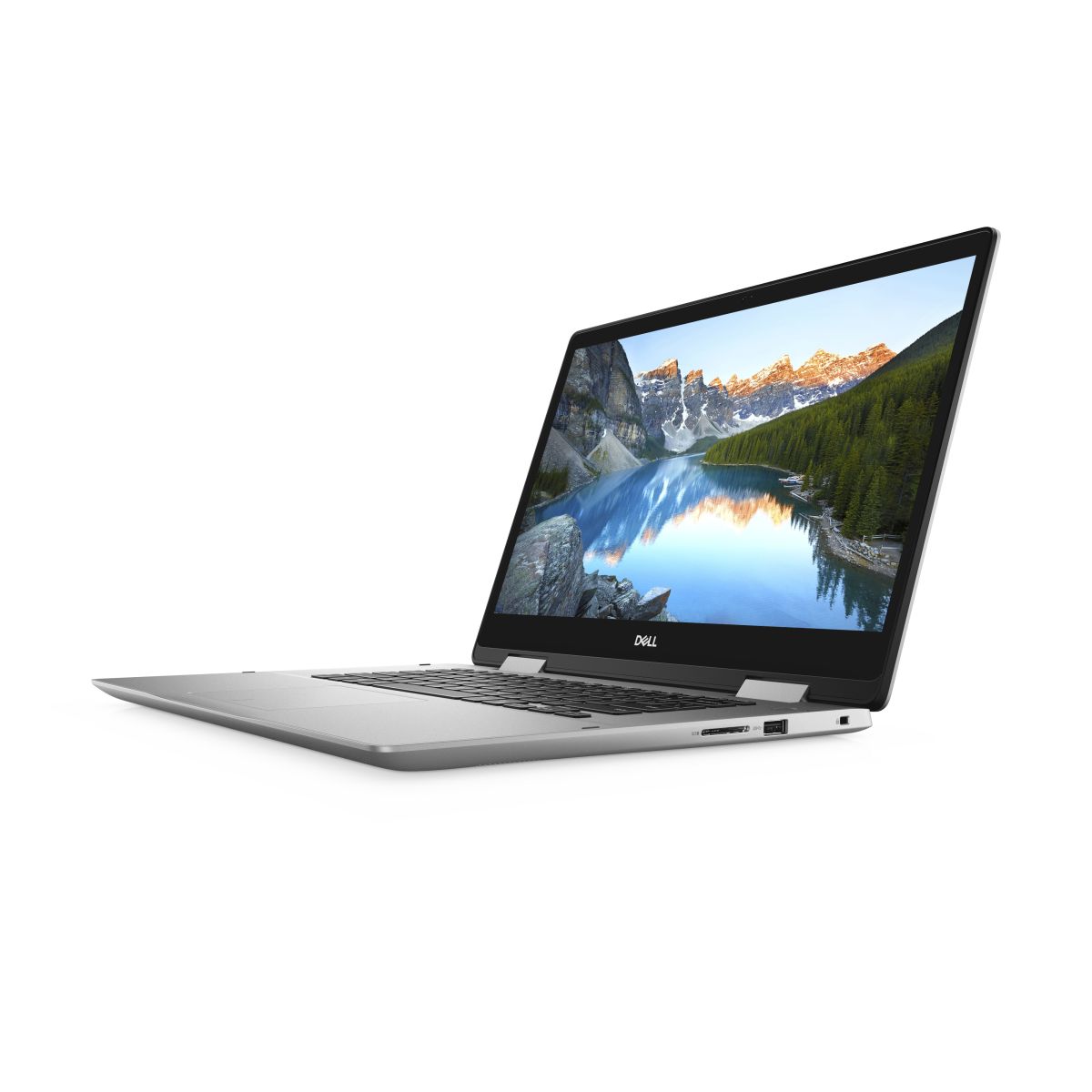
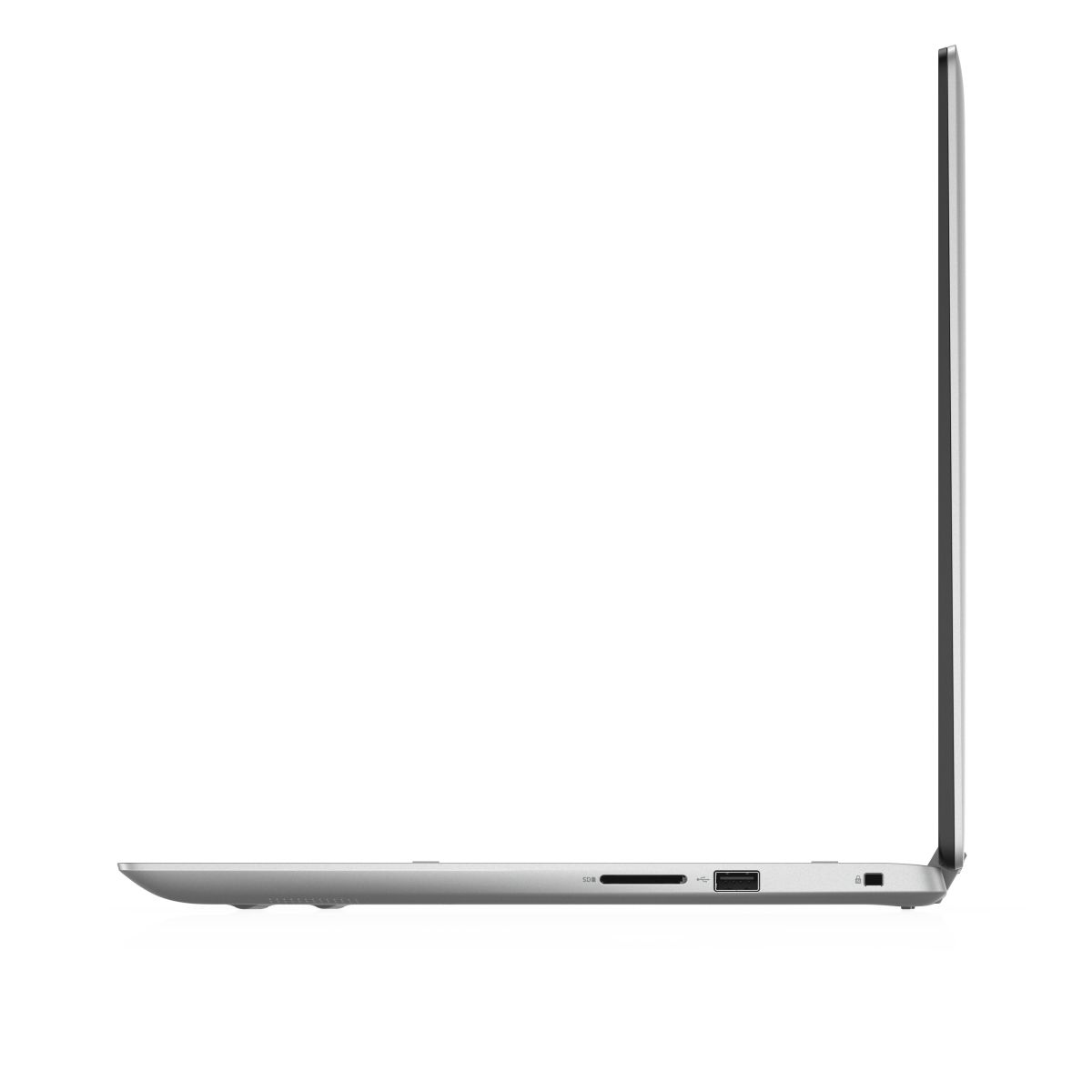
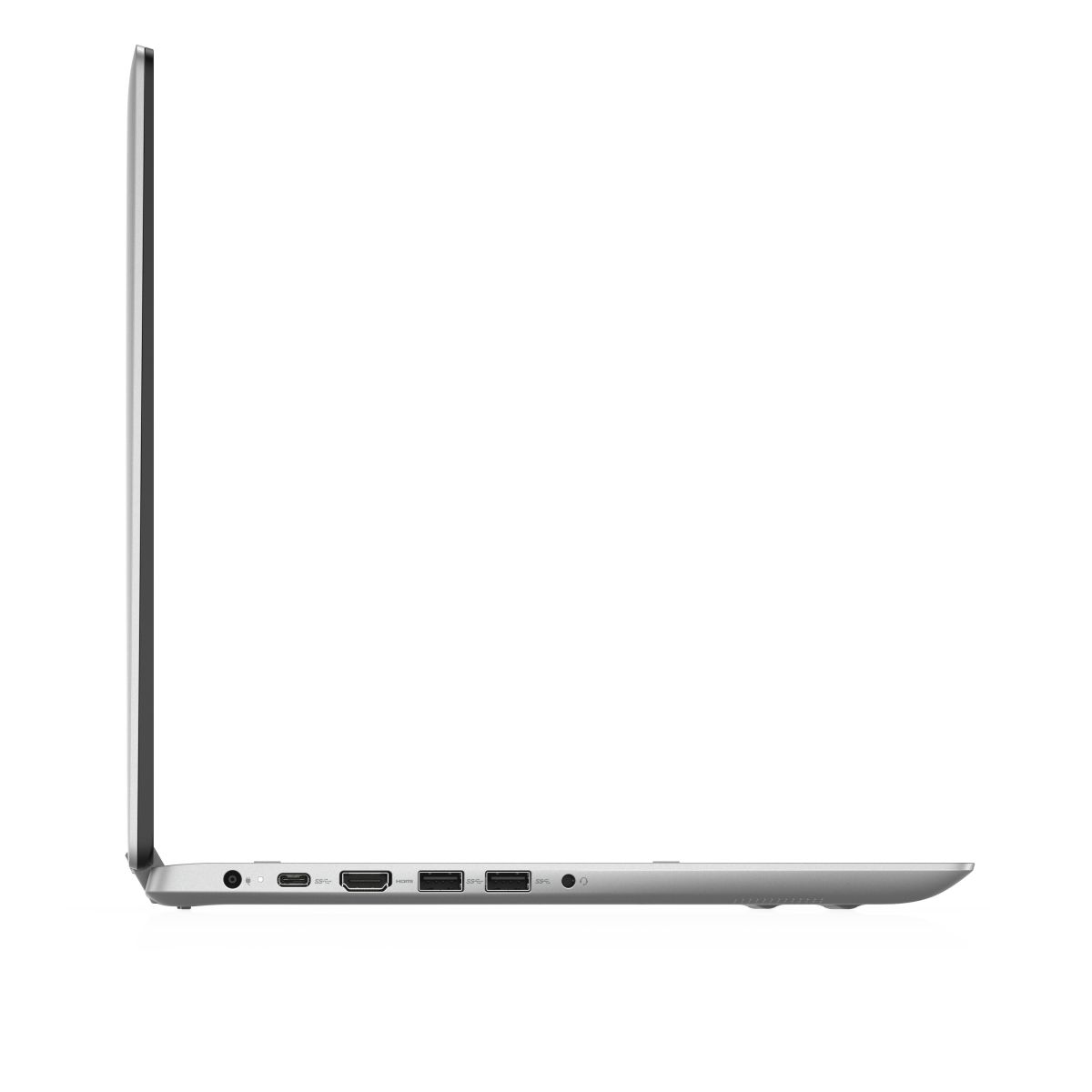
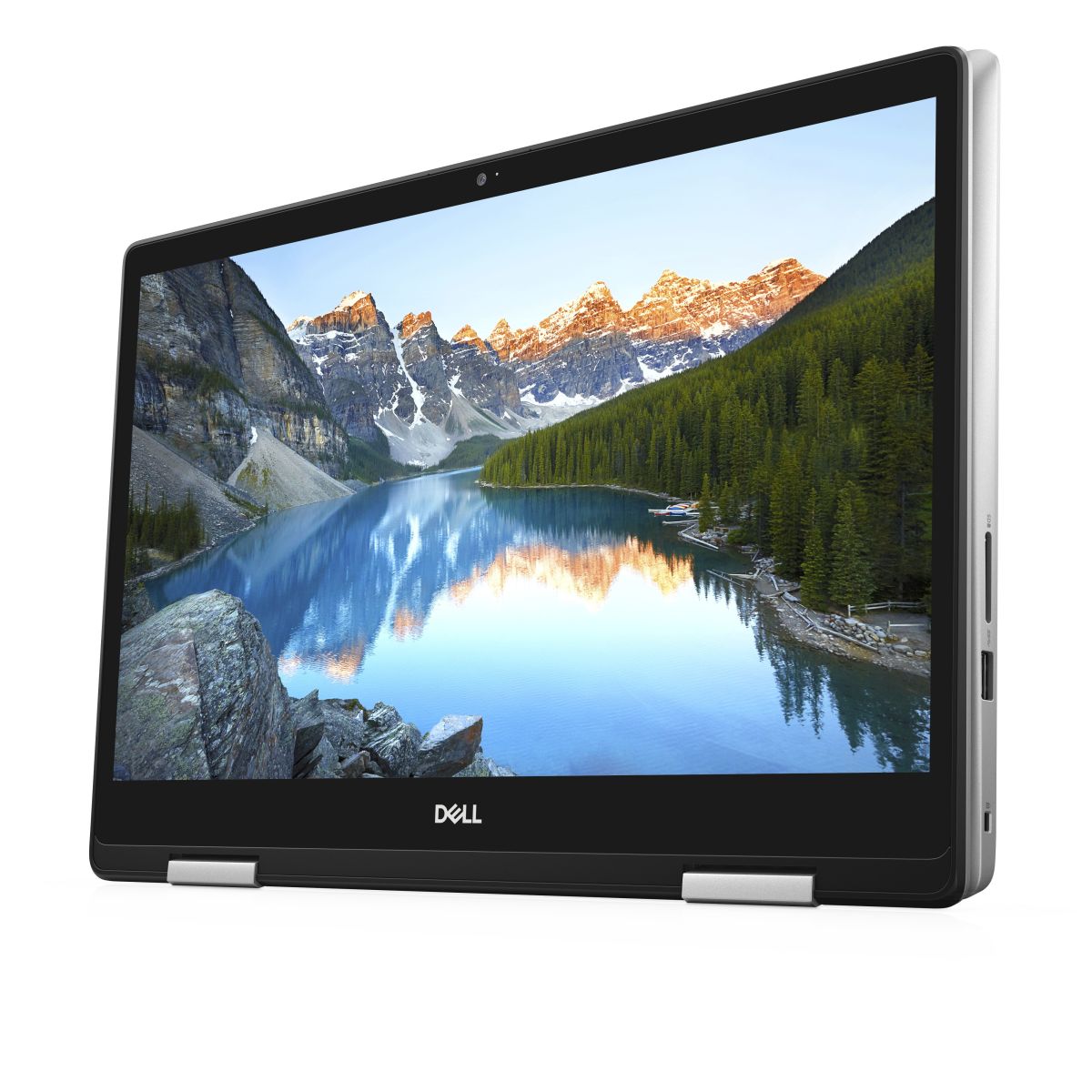
Dell Inspiron 5000 series model 5582 supports DDR4-SDRAM memory upgrades via 2x SO-DIMM slots. Maximum memory capacity reaches 16 GB total. Compatible memory modules operate at 2666 MHz frequency. Upgrade specifications enable users to expand laptop RAM beyond factory configuration to enhance system performance. SO-DIMM form factor denotes small outline dual in-line memory module compatibility for this portable computing device.
Memory Upgrade Specifications
| Specification | Value |
|---|---|
| Memory slots | 2x SO-DIMM |
| Form factor | SO-DIMM |
| Memory type | DDR4-SDRAM |
| Frequency | 2666 MHz |
| Maximum RAM | 16 GB |
| Voltage | 1.2V |
| Number of pins | 260-pin |
| Interface | PC4 |
| PC Speed Rating | PC4-2666 (PC4-21328) |
| Bandwidth | 21.3 GB/s |
| Laptop Release date | 13 April 2019 |
Additional Notes
- The DELL Inspiron 5582 chipset imposes a 16 GB memory ceiling, limiting professional workloads that require 32 GB configurations despite dual-slot availability.
- DDR4-2666 modules operate within JEDEC standard voltage range of 1.2V, ensuring compatibility with thermally constrained 2-in-1 convertible chassis designs.
- Dual-channel architecture enables 42.6 GB/s theoretical bandwidth when both SO-DIMM slots contain matched density modules.
- Single-sided 8 GB SO-DIMM modules typically measure 30mm height, while double-sided variants may encounter clearance issues beneath keyboard assemblies in convertible form factors.
- Mixing 2400 MHz and 2666 MHz modules forces the memory controller to downclock all installed RAM to the lower specification, reducing effective bandwidth by 11 percent.
- Non-ECC unbuffered modules represent the sole compatible memory architecture, as registered DIMMs require server-grade chipsets absent in consumer ultraportable platforms.
- 260-pin SO-DIMM connectors mandate keying verification, as DDR3 modules physically prevent insertion despite similar form factor dimensions.
- Populating both slots with 8 GB modules eliminates future expansion headroom once the 16 GB limit is reached.
- CAS latency variations between CL17, CL19, and CL22 modules at 2666 MHz frequency create minimal real-world performance differences in integrated graphics scenarios.
- Factory-installed Samsung, Micron, or SK Hynix memory chips typically ship with XMP profiles disabled, requiring BIOS configuration for advertised speeds beyond JEDEC default 2400 MHz.
- Bottom panel disassembly requires Torx T5 driver access and potentially voids seal-based warranty indicators depending on regional support policies.
- Asymmetric memory configurations such as 4 GB plus 8 GB modules maintain dual-channel operation up to the lower module capacity, then revert to single-channel for remaining address space.