DELL Inspiron 5591 RAM upgrade specifications


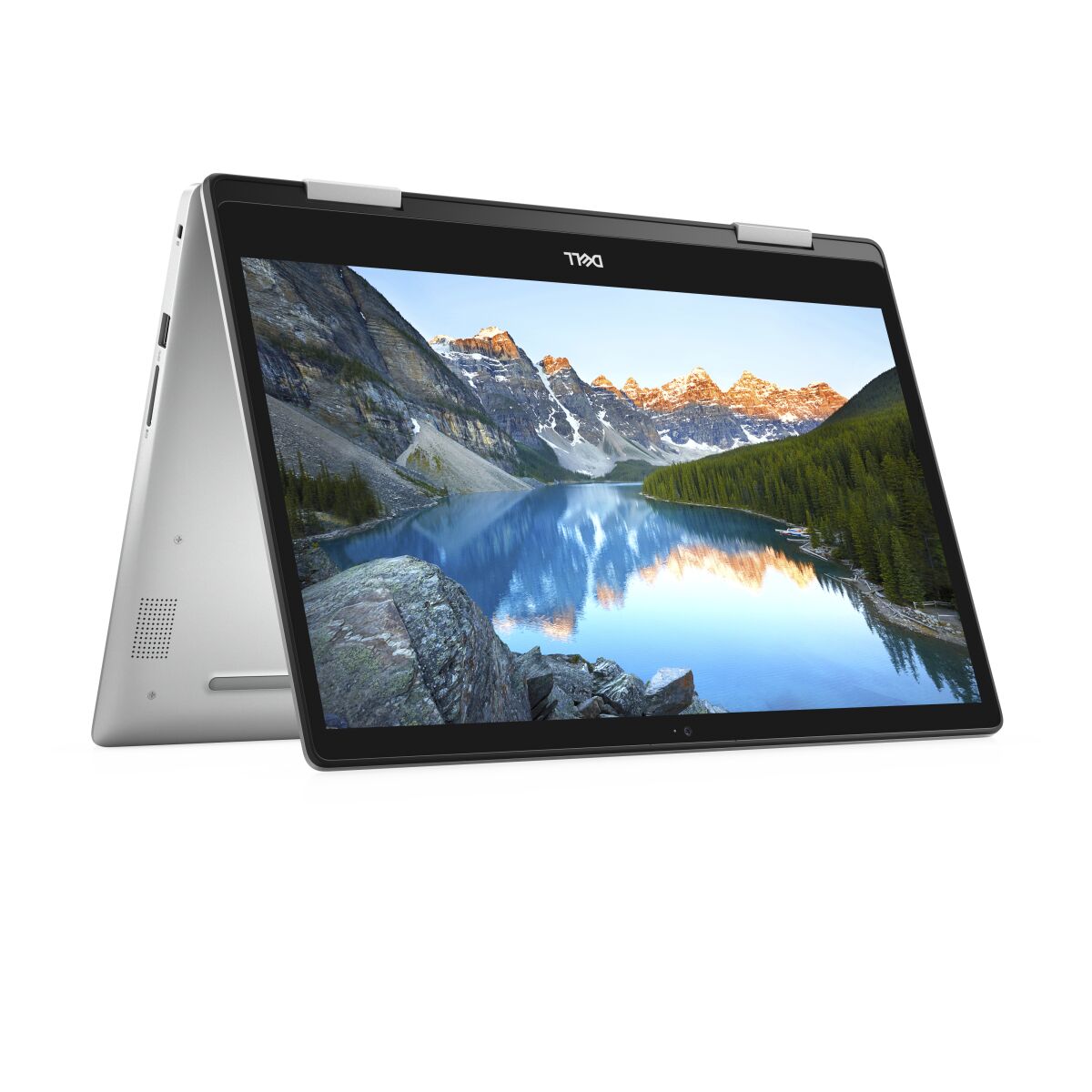
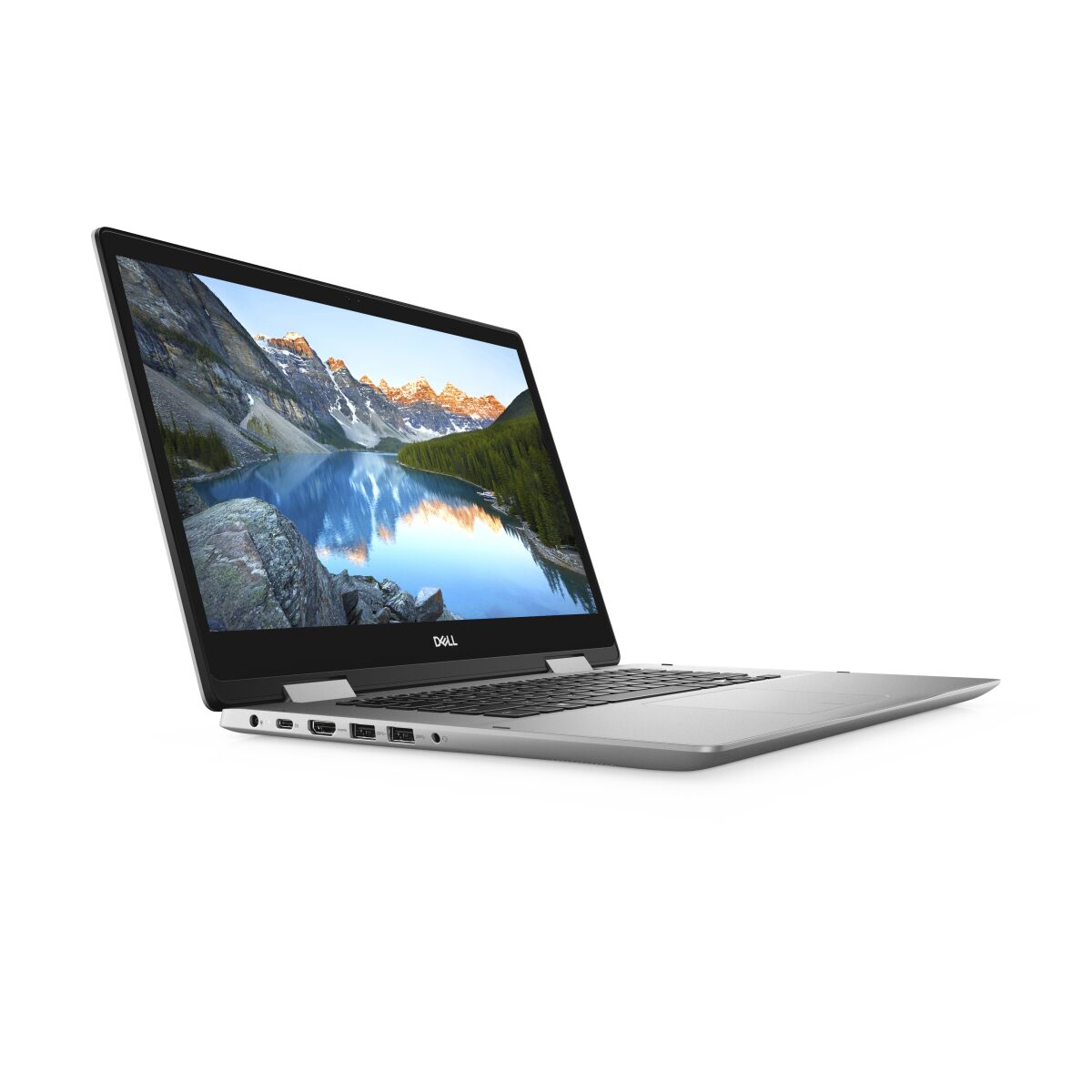
The Dell Inspiron 5000 Series 5591 laptop contains 2x SO-DIMM memory slots supporting DDR4-SDRAM upgrade specifications. Maximum RAM capacity reaches 16 GB total, with compatible memory operating at 2666 MHz frequency. The SO-DIMM form factor enables RAM upgrade compatibility for this Dell Inspiron 5591 model. Specifications indicate dual memory slots available for expansion, allowing users to configure maximum memory capacity of 16 GB DDR4-SDRAM across both slots.
Memory Upgrade Specifications
| Specification | Value |
|---|---|
| Memory slots | 2x SO-DIMM |
| Form factor | SO-DIMM |
| Memory type | DDR4-SDRAM |
| Frequency | 2666 MHz |
| Maximum RAM | 16 GB |
| Voltage | 1.2V |
| Number of pins | 260-pin |
| Interface | PC4 |
| PC Speed Rating | PC4-2666 (PC4-21328) |
| Bandwidth | 21.3 GB/s |
| Laptop Release date | 13 November 2019 |
Additional Notes
- The Dell Inspiron 5591 accepts only DDR4 SO-DIMM modules, excluding all DDR3 variants regardless of physical adapters or voltage compatibility claims.
- The 16 GB maximum capacity restriction stems from chipset limitations rather than slot availability, preventing recognition of higher-density modules even when physically compatible.
- Dual-channel architecture requires matched module pairs for optimal memory bandwidth, with asymmetric configurations forcing single-channel operation and halving theoretical throughput.
- Native 2666 MHz operation depends on CPU memory controller support, with incompatible processors automatically downclocking modules to 2400 MHz or 2133 MHz regardless of DIMM specifications.
- Standard SO-DIMM 260-pin form factor mandates 1.2V DDR4 modules, as higher-voltage memory designed for desktop systems will cause POST failures or system instability.
- Installation requires complete battery disconnection and static discharge precautions, as residual charge can corrupt SPD data on new modules during insertion.
- Mixed-speed configurations default to the slowest module frequency across both slots, eliminating any performance advantage from installing higher-rated memory alongside slower DIMMs.
- Warranty preservation typically requires avoiding physical damage to retention clips, which become brittle over time and may fracture during module removal attempts.
- The platform lacks XMP profile support, rendering overclocked or performance-tuned modules functionally identical to standard JEDEC-specification memory at equivalent base speeds.
- Thermal constraints within the chassis limit sustained memory performance under heavy workloads, as passive SO-DIMM cooling relies entirely on ambient airflow without dedicated heat spreaders.