DELL Inspiron 7425 2-in-1 RAM upgrade specifications

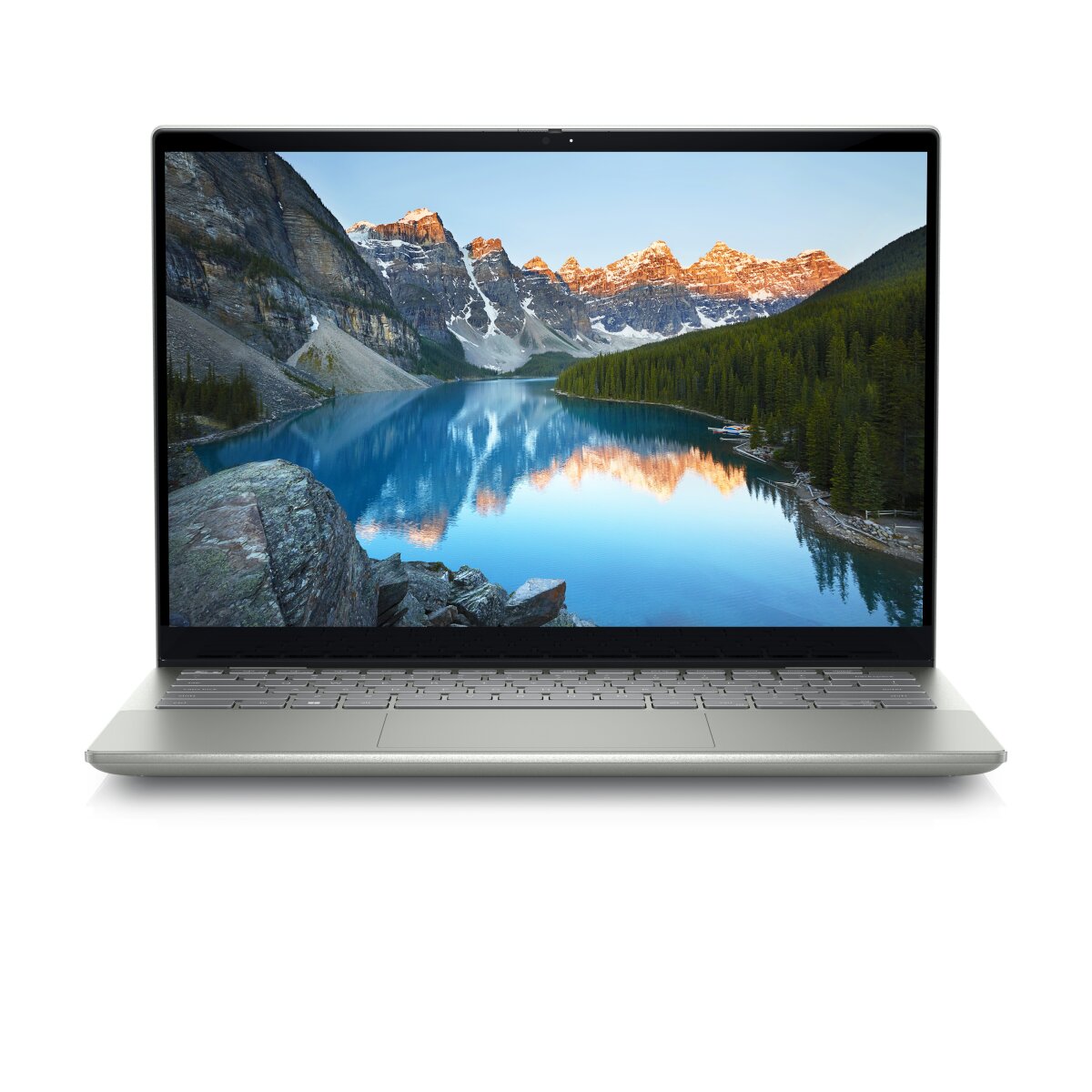
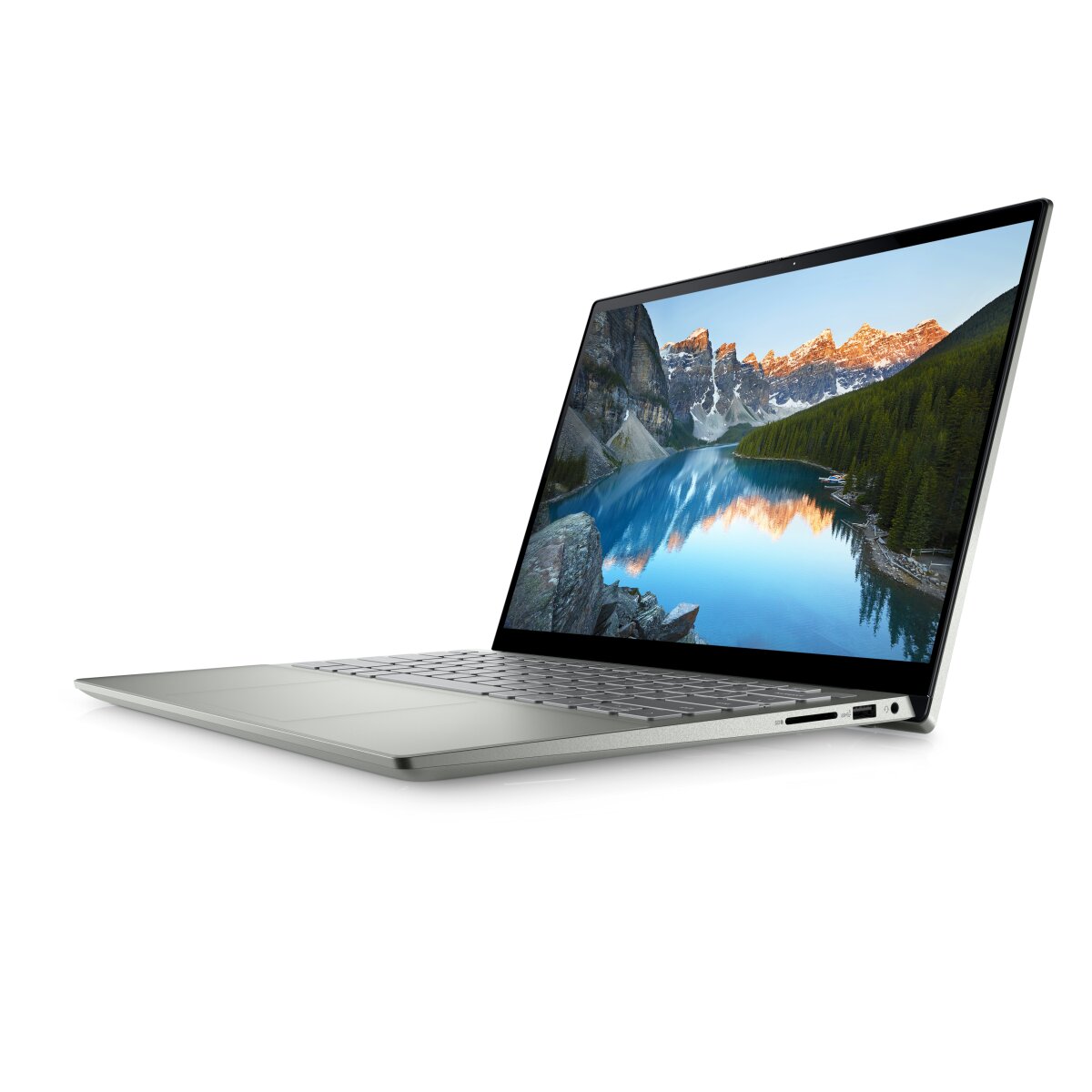
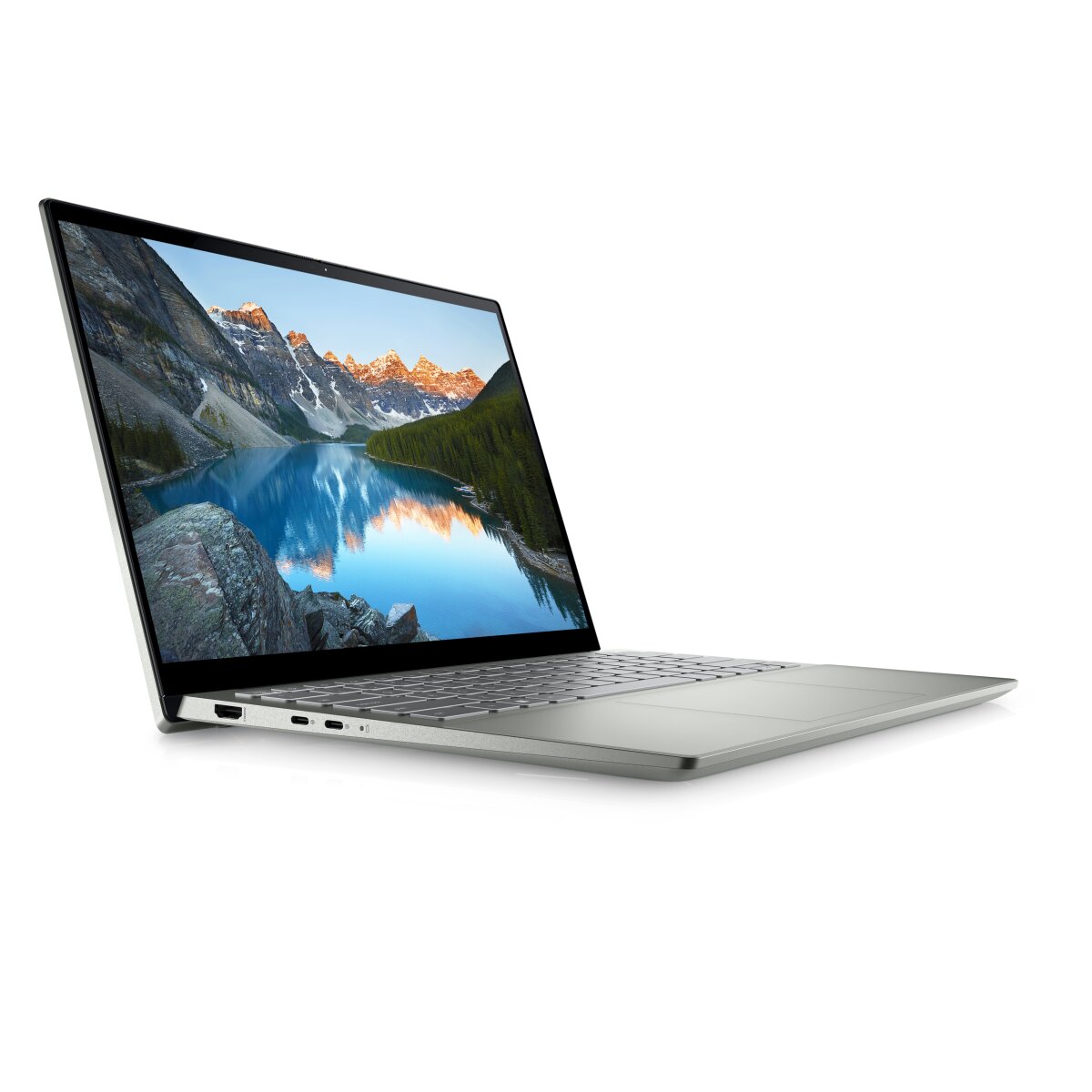
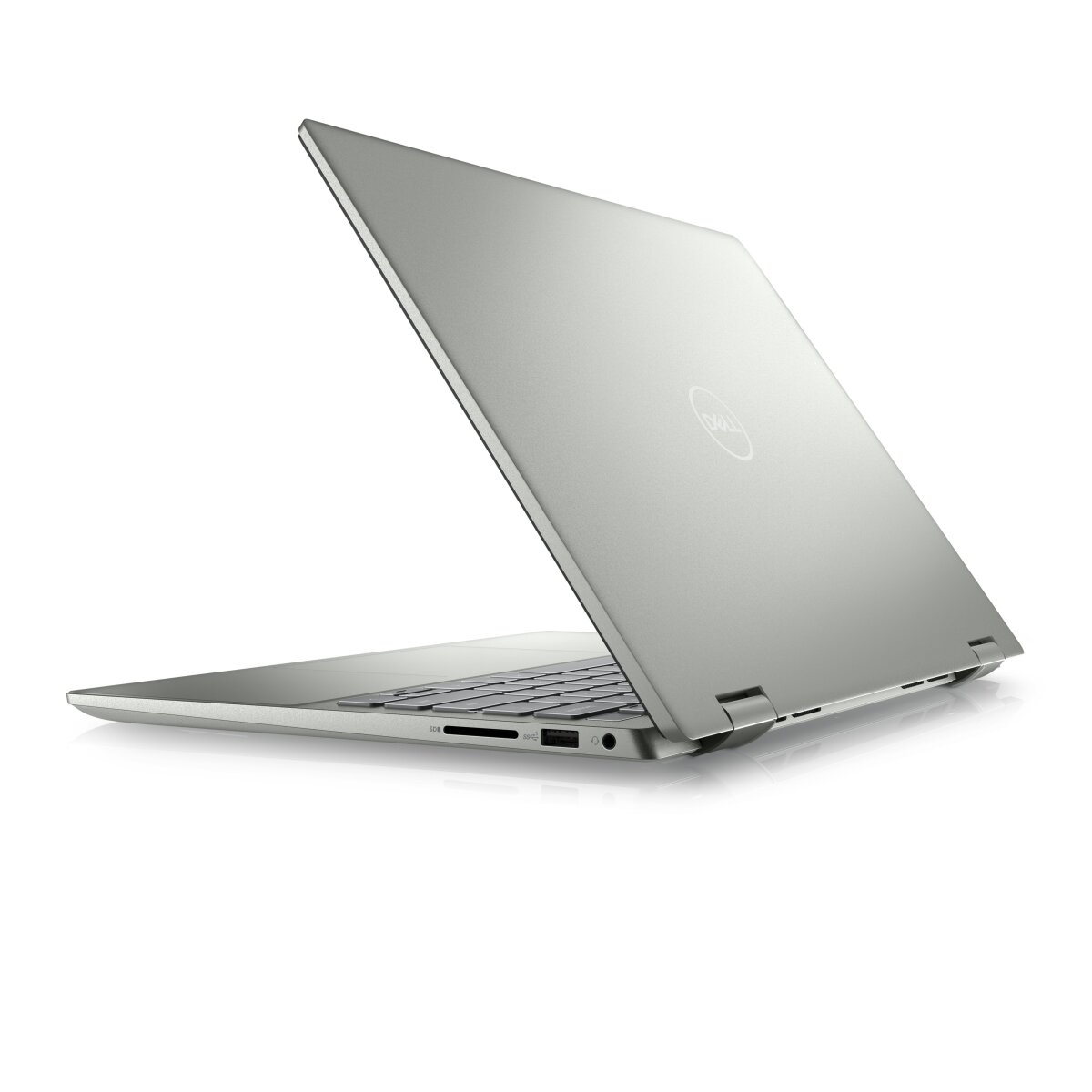
Dell Inspiron 7000 Series 7425 2-in-1 RAM upgrade specifications indicate DDR4-SDRAM memory compatibility. The laptop features 2x SO-DIMM slots supporting maximum RAM capacity of 32 GB. Memory modules operate at 3200 MHz frequency. Upgrade options accommodate SO-DIMM form factor modules. Specifications establish compatible memory parameters for this Dell model.
Memory Upgrade Specifications
| Specification | Value |
|---|---|
| Memory slots | 2x SO-DIMM |
| Form factor | SO-DIMM |
| Memory type | DDR4-SDRAM |
| Frequency | 3200 MHz |
| Maximum RAM | 32 GB |
| Voltage | 1.2V |
| Number of pins | 260-pin |
| Interface | PC4 |
| PC Speed Rating | PC4-3200 (PC4-25600) |
| Bandwidth | 25.6 GB/s |
| Laptop Release date | 11 March 2022 |
Additional Notes
- The DELL Inspiron 7425 2-in-1 motherboard accepts only DDR4 modules, preventing any use of older DDR3 or newer DDR5 memory regardless of physical compatibility.
- Each SO-DIMM slot supports up to 16 GB modules, which establishes the ceiling for single-module configurations and requires dual-module installation to reach 32 GB capacity.
- The 3200 MHz frequency specification represents the maximum supported speed, meaning higher-rated modules will downclock to this frequency automatically.
- Memory configurations below 3200 MHz will function but create a performance gap compared to the system's designed bandwidth capacity of 25.6 GB/s per channel.
- Mixing modules with different frequencies forces all installed memory to operate at the speed of the slowest module present.
- SO-DIMM form factor indicates memory modules measure approximately 67.6 mm in length, which differs from desktop DIMM modules and prevents cross-platform physical installation.
- The 2-in-1 convertible chassis design typically places memory slots beneath the keyboard assembly or bottom panel, requiring partial disassembly for access.
- Accessing both slots simultaneously during installation reduces the number of disassembly cycles compared to sequential upgrades, minimizing wear on retention clips and fasteners.
- Dual-channel architecture activation requires matched module capacities in both slots, as asymmetric configurations force the system into less efficient single-channel or flex-mode operation.
- Modules lacking JEDEC standard specifications may require manual timing adjustments in BIOS, though most consumer SO-DIMMs default to compatible SPD profiles.
- The 32 GB limitation stems from chipset addressing constraints rather than slot quantity, making quad-rank configurations or higher-density modules incompatible even if physically installable.
- Non-ECC unbuffered modules represent the standard specification for this platform, as registered or error-correcting memory types introduce incompatibility with consumer-grade memory controllers.