DELL Inspiron 7506 RAM upgrade specifications

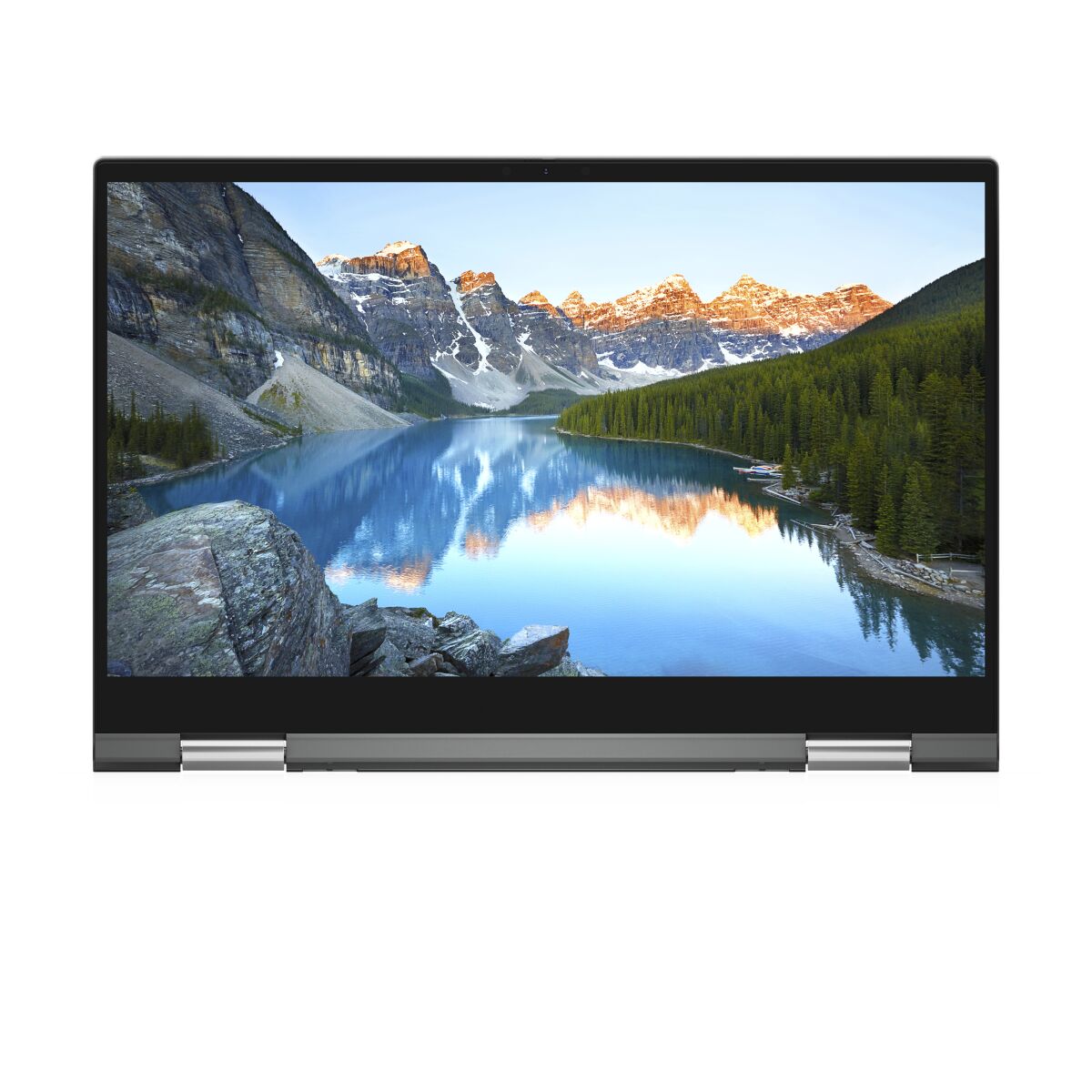
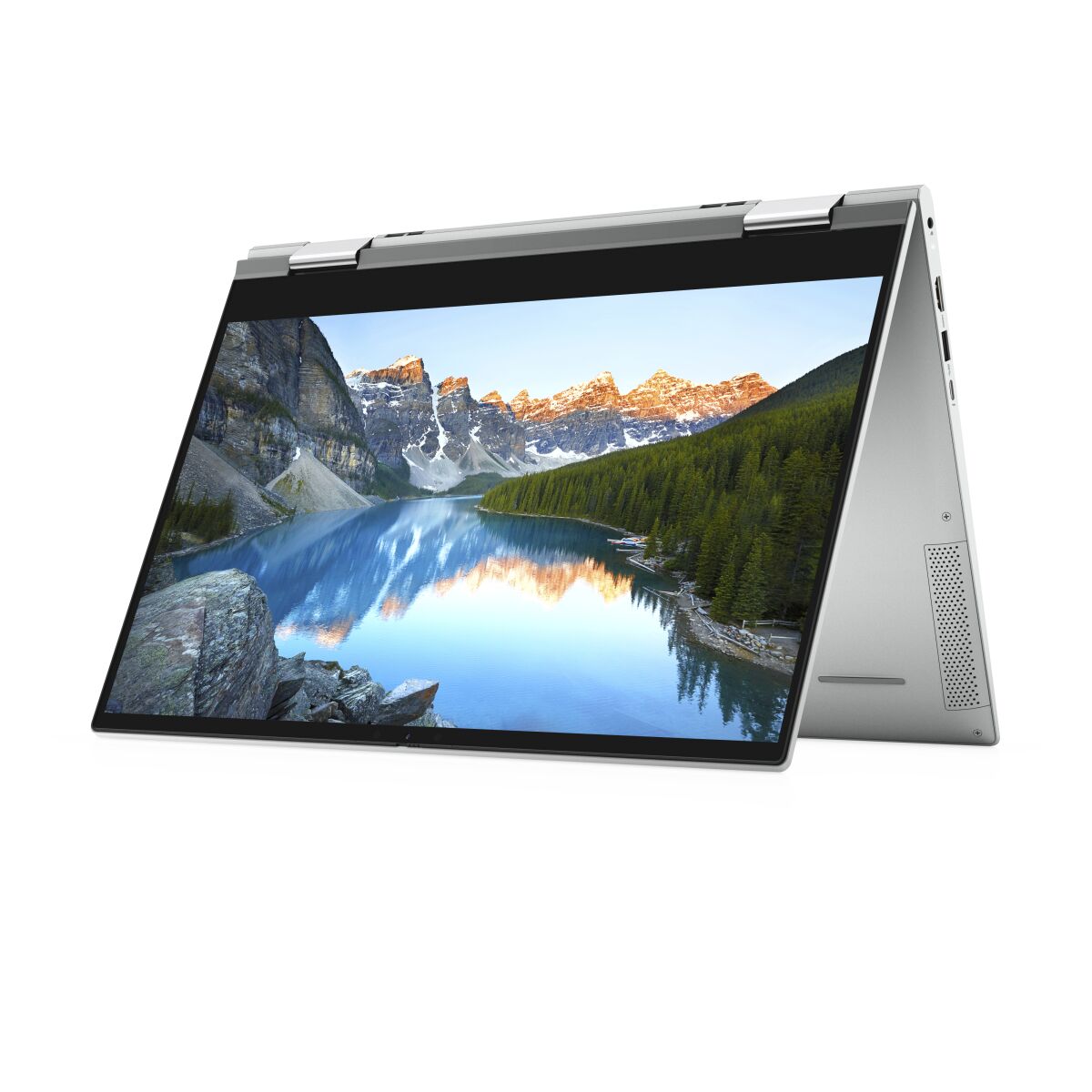
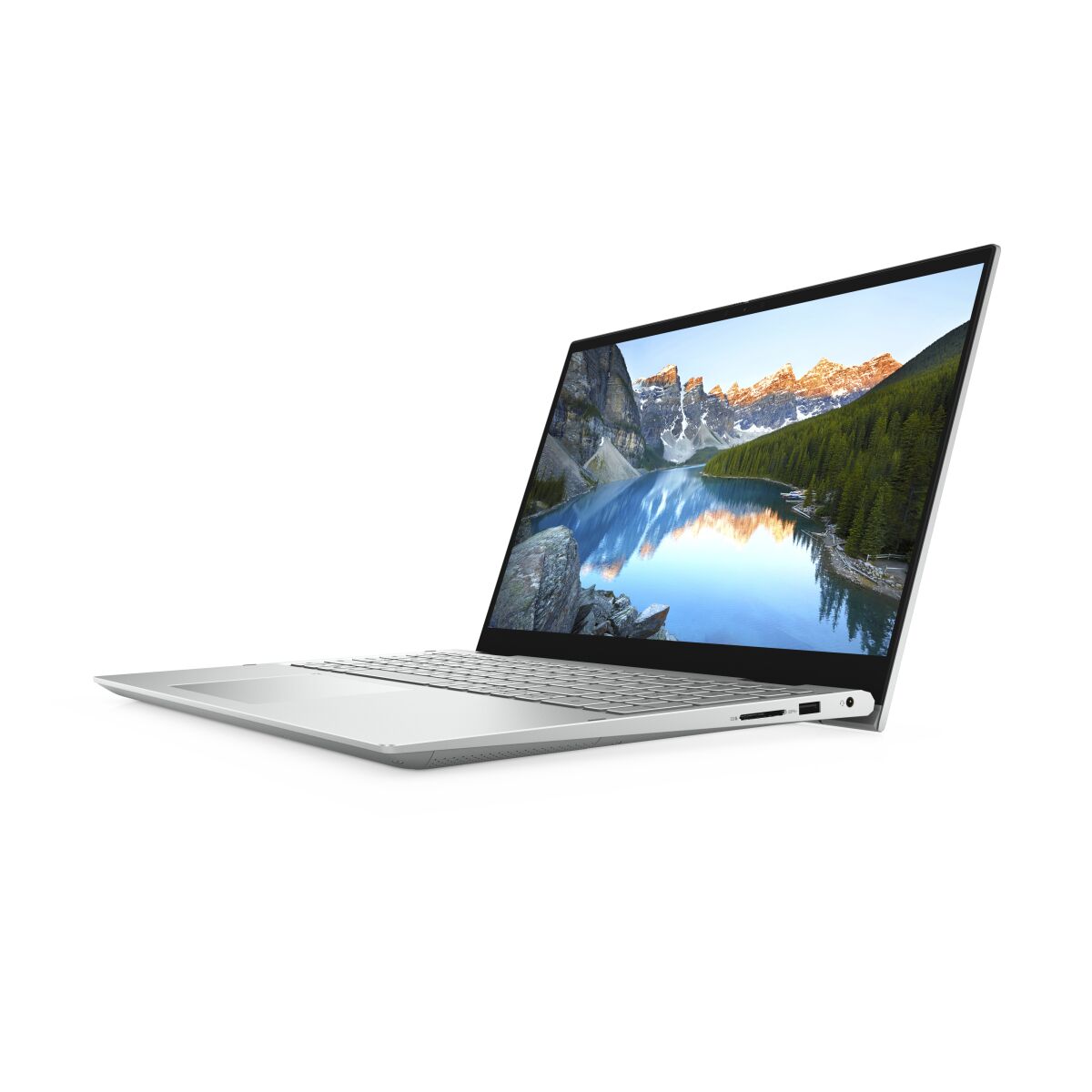
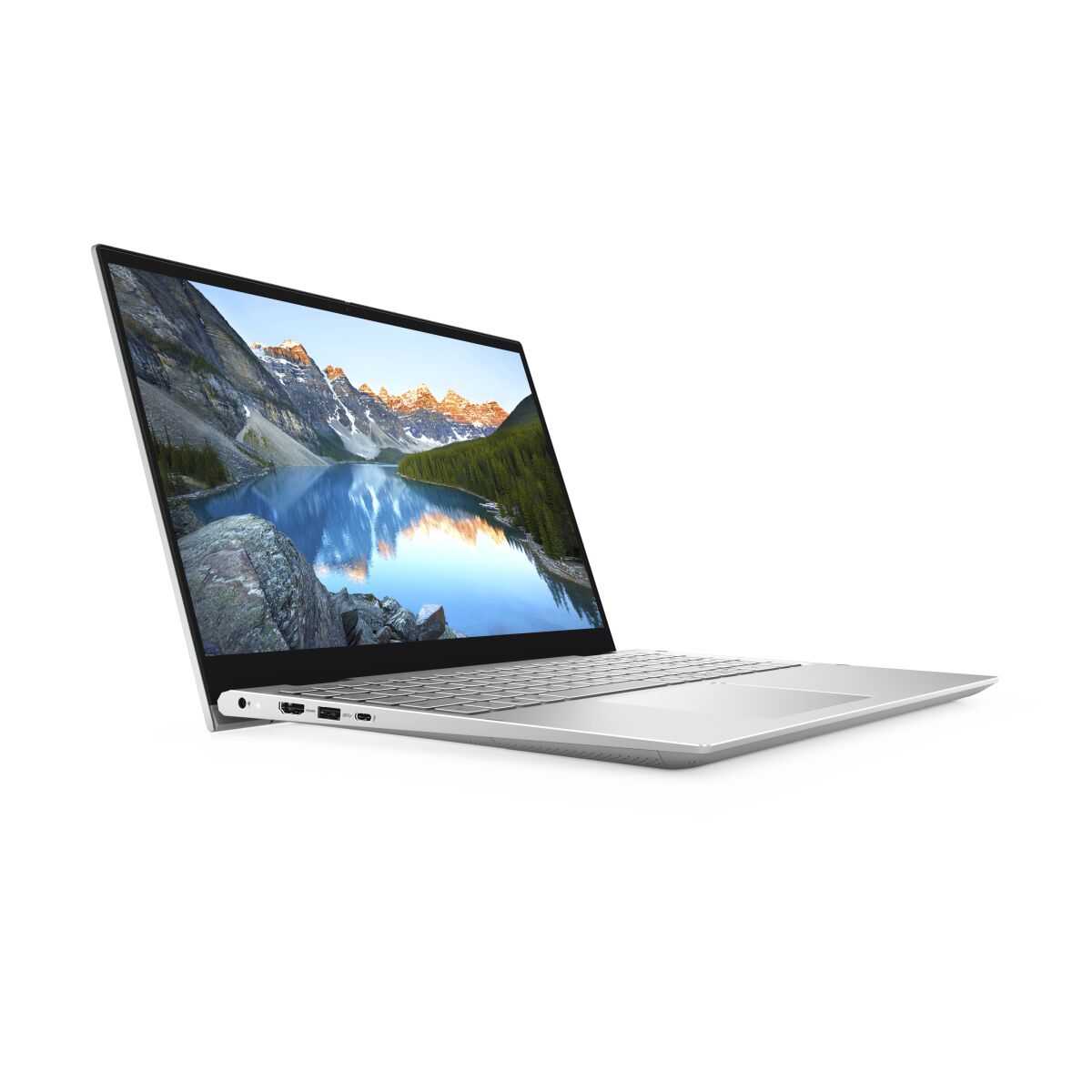
The Dell Inspiron 7506 laptop features DDR4-SDRAM memory upgrade capabilities with two SO-DIMM slots supporting maximum RAM capacity of 16 GB. Compatible memory modules operate at 3200 MHz frequency. The 7000 series model accepts SO-DIMM form factor upgrades, allowing users to expand memory specifications from factory configurations up to the maximum supported capacity of 16 GB total memory. Memory upgrade slots accommodate standard DDR4 SO-DIMM modules meeting Dell specifications for the Inspiron 7506 model.
Memory Upgrade Specifications
| Specification | Value |
|---|---|
| Memory slots | 2x SO-DIMM |
| Form factor | SO-DIMM |
| Memory type | DDR4-SDRAM |
| Frequency | 3200 MHz |
| Maximum RAM | 16 GB |
| Voltage | 1.2V |
| Number of pins | 260-pin |
| Interface | PC4 |
| PC Speed Rating | PC4-3200 (PC4-25600) |
| Bandwidth | 25.6 GB/s |
| Laptop Release date | 11 November 2020 |
Additional Notes
- The Dell Inspiron 7506 operates with a 2-slot SO-DIMM configuration, meaning both memory slots must be populated to achieve the 16 GB maximum capacity, leaving no expansion headroom beyond this ceiling.
- DDR4-3200 memory modules are commodity components with broad availability across retail and OEM channels, reducing procurement friction for upgrades within the warranty-safe specification range.
- Single-channel memory operation becomes unavoidable if only 1 slot is populated, halving effective bandwidth to approximately 25.6 GB/s and creating a measurable performance penalty for bandwidth-sensitive workloads relative to dual-channel configurations.
- The SO-DIMM form factor constrains module height to 30 mm, which may obstruct access to adjacent components during installation depending on heatsink or cooler positioning in the immediate slot area.
- Memory frequency headroom above 3200 MHz is unavailable through BIOS configuration on this platform, eliminating overclocking as a performance optimization path for this subsystem.
- The 16 GB architectural limit prevents future scaling beyond this threshold without motherboard replacement, effectively fixing memory capacity at the design lifecycle endpoint.
- Latency profiles and voltage requirements (typically 1.2V for DDR4-3200) must match OEM specifications exactly; mixing module generations or non-standard timings risks POST failures or silent data corruption.