DELL Latitude 5501 RAM upgrade specifications

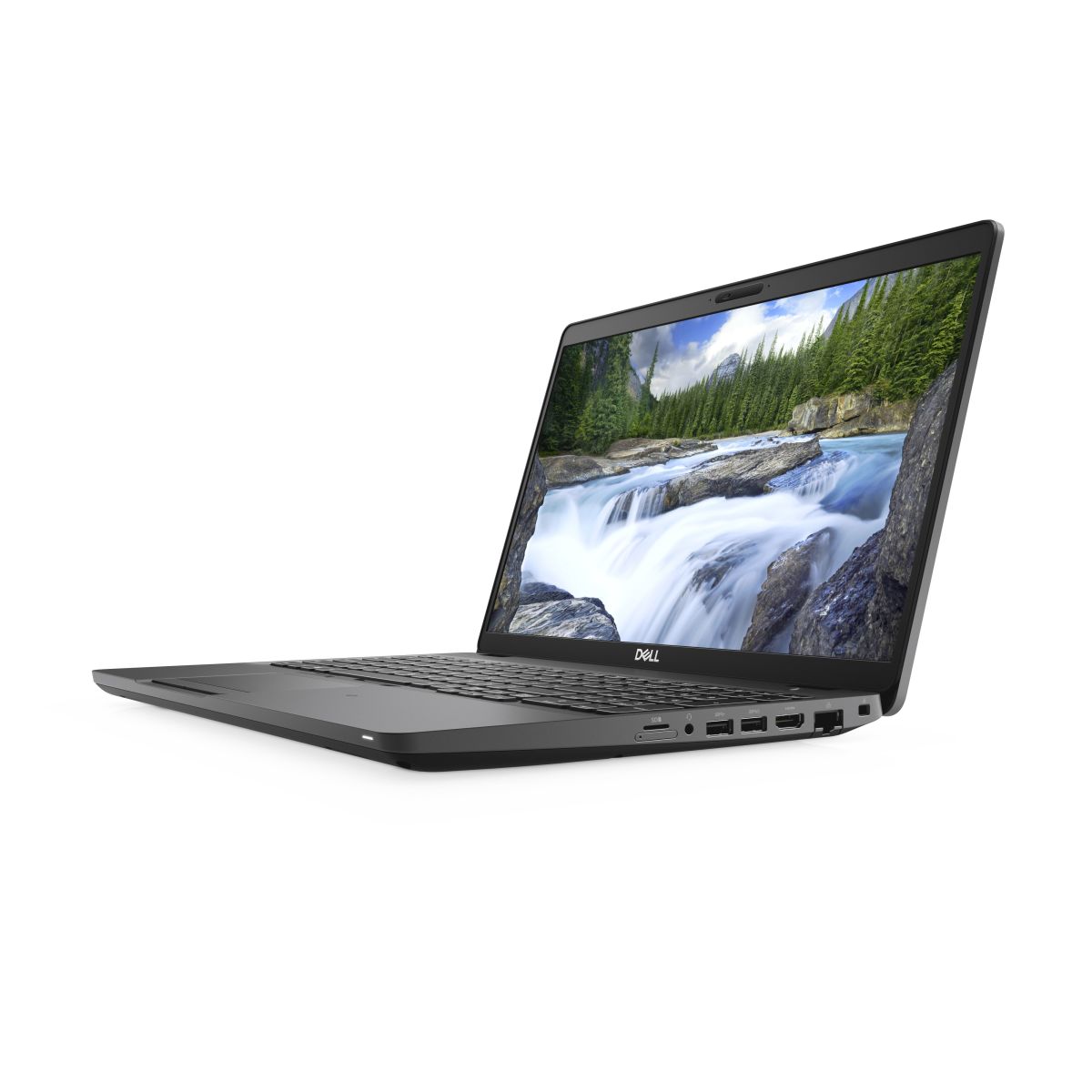

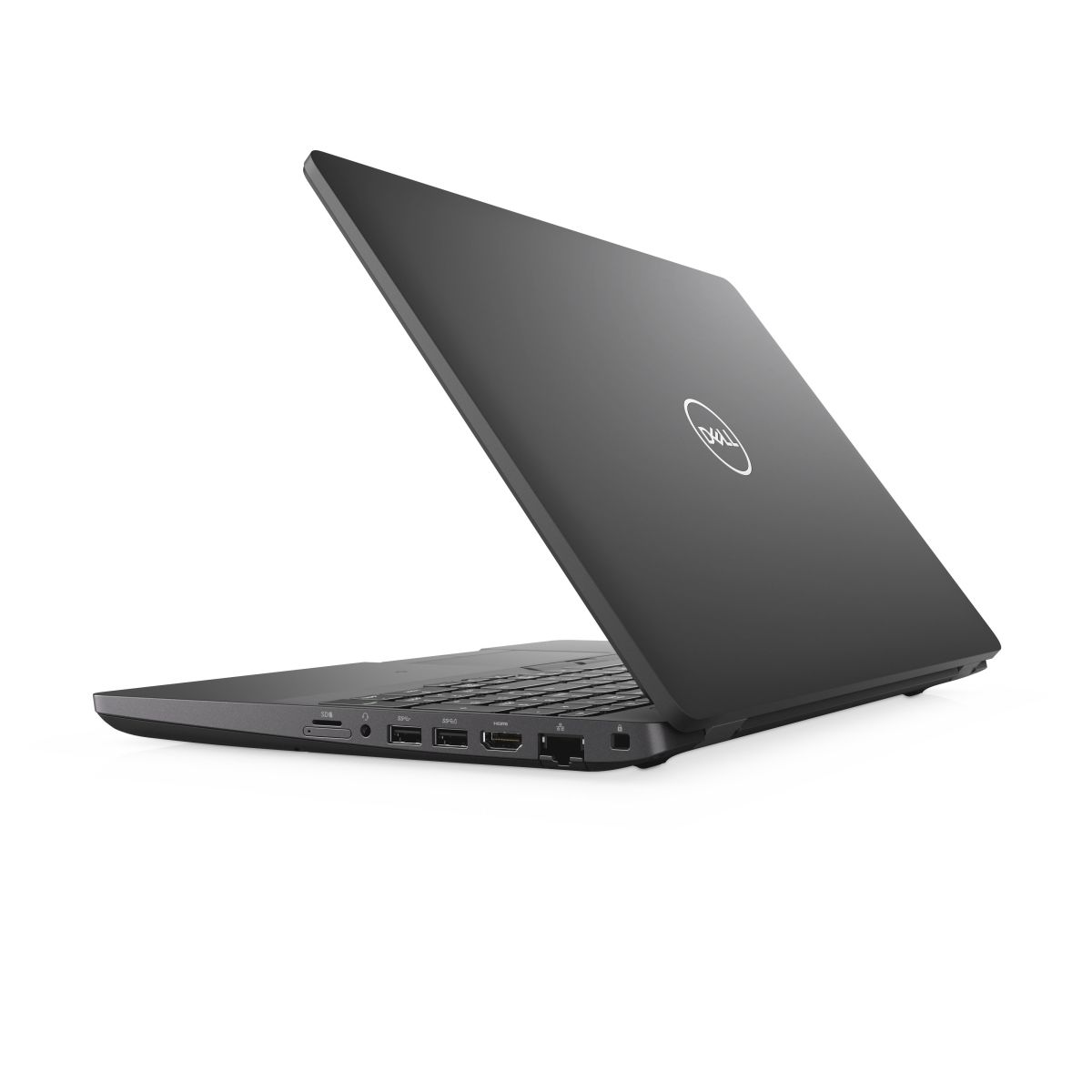

The DELL Latitude 5000 series 5501 model features DDR4-SDRAM memory upgrade specifications with two SO-DIMM slots supporting maximum RAM capacity of 32 GB. Compatible memory modules operate at 2666 MHz frequency. Upgrade slots accommodate standard SO-DIMM form factor memory modules, enabling users to expand system memory from factory configurations up to the maximum supported capacity of 32 GB total RAM.
Memory Upgrade Specifications
| Specification | Value |
|---|---|
| Memory slots | 2x SO-DIMM |
| Form factor | SO-DIMM |
| Memory type | DDR4-SDRAM |
| Frequency | 2666 MHz |
| Maximum RAM | 32 GB |
| Voltage | 1.2V |
| Number of pins | 260-pin |
| Interface | PC4 |
| PC Speed Rating | PC4-2666 (PC4-21328) |
| Bandwidth | 21.3 GB/s |
| Laptop Release date | 20 June 2019 |
Additional Notes
- The DELL Latitude 5501 chipset architecture limits total memory capacity to 32 GB across both slots, requiring 16 GB modules if maximum configuration is needed.
- SO-DIMM form factor prevents use of standard desktop DIMM modules due to physical pin count and length differences (260-pin versus 288-pin configurations).
- The 2666 MHz specification represents DDR4-2666 standard, equivalent to PC4-21300 bandwidth rating, delivering theoretical maximum transfer rate of 21.3 GB/s per channel.
- Installing modules rated above 2666 MHz will function but will downclock to match the motherboard's supported frequency ceiling, providing no performance benefit.
- Dual-channel memory architecture requires matched module capacities in both slots to enable parallel data pathways; mismatched sizes force single-channel operation on the excess capacity.
- Non-ECC unbuffered modules are required, as SO-DIMM slots in this configuration lack the additional circuitry needed for error-correcting code memory.
- Mixing modules with different CAS latencies will force all installed memory to operate at the slowest timing specification present in the system.
- Voltage specification defaults to 1.2V standard for DDR4; low-voltage variants are unnecessary as SO-DIMM slots do not support legacy 1.35V or 1.5V DDR3L compatibility.
- Memory upgrade does not require BIOS modification, but accessing slots necessitates removal of bottom chassis panel and potential disconnection of battery connector per service manual procedures.
- Single-rank versus dual-rank module topology affects memory controller load; 2 dual-rank modules may provide marginal performance gains in bandwidth-intensive applications compared to single-rank equivalents.