DELL Vostro 5640 RAM upgrade specifications
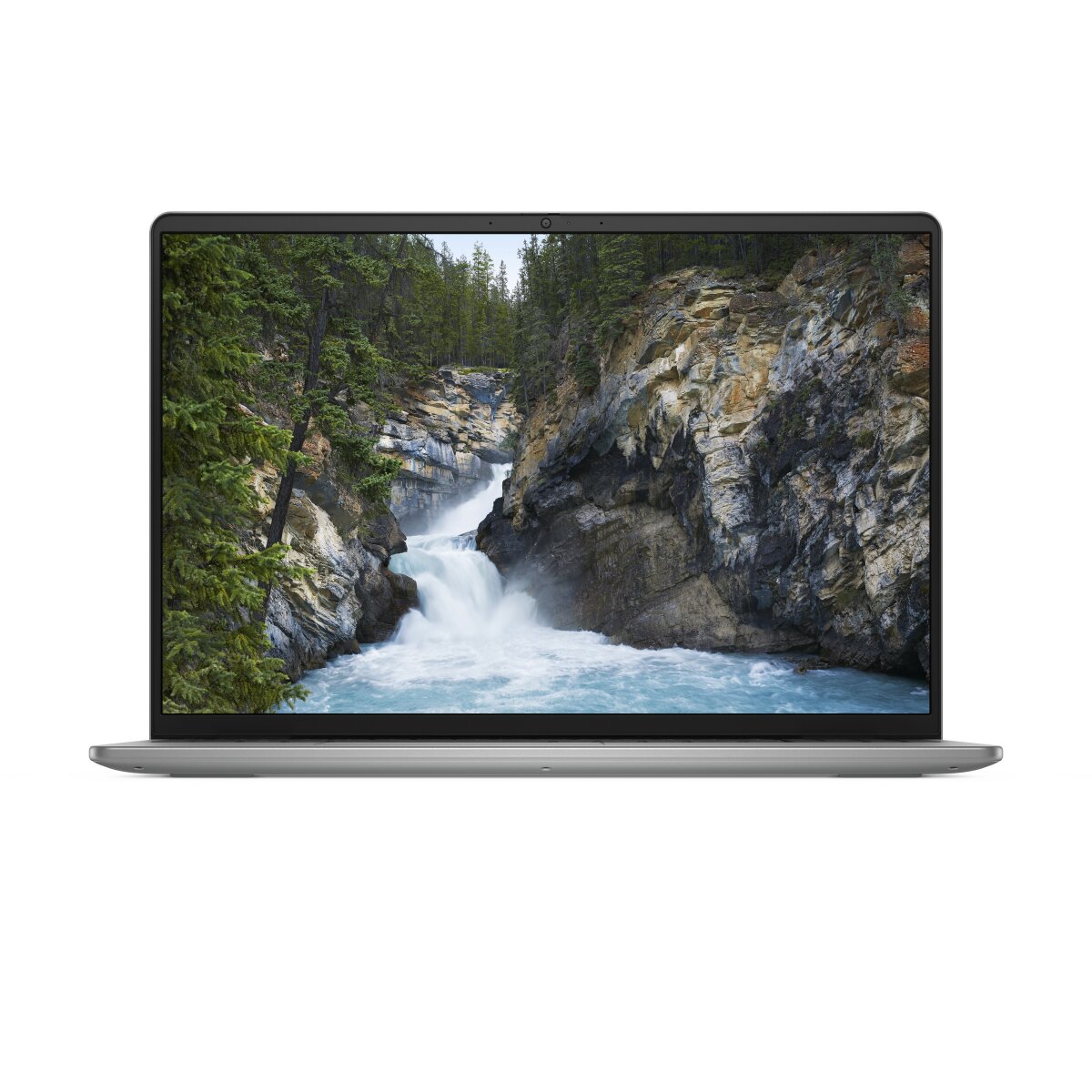
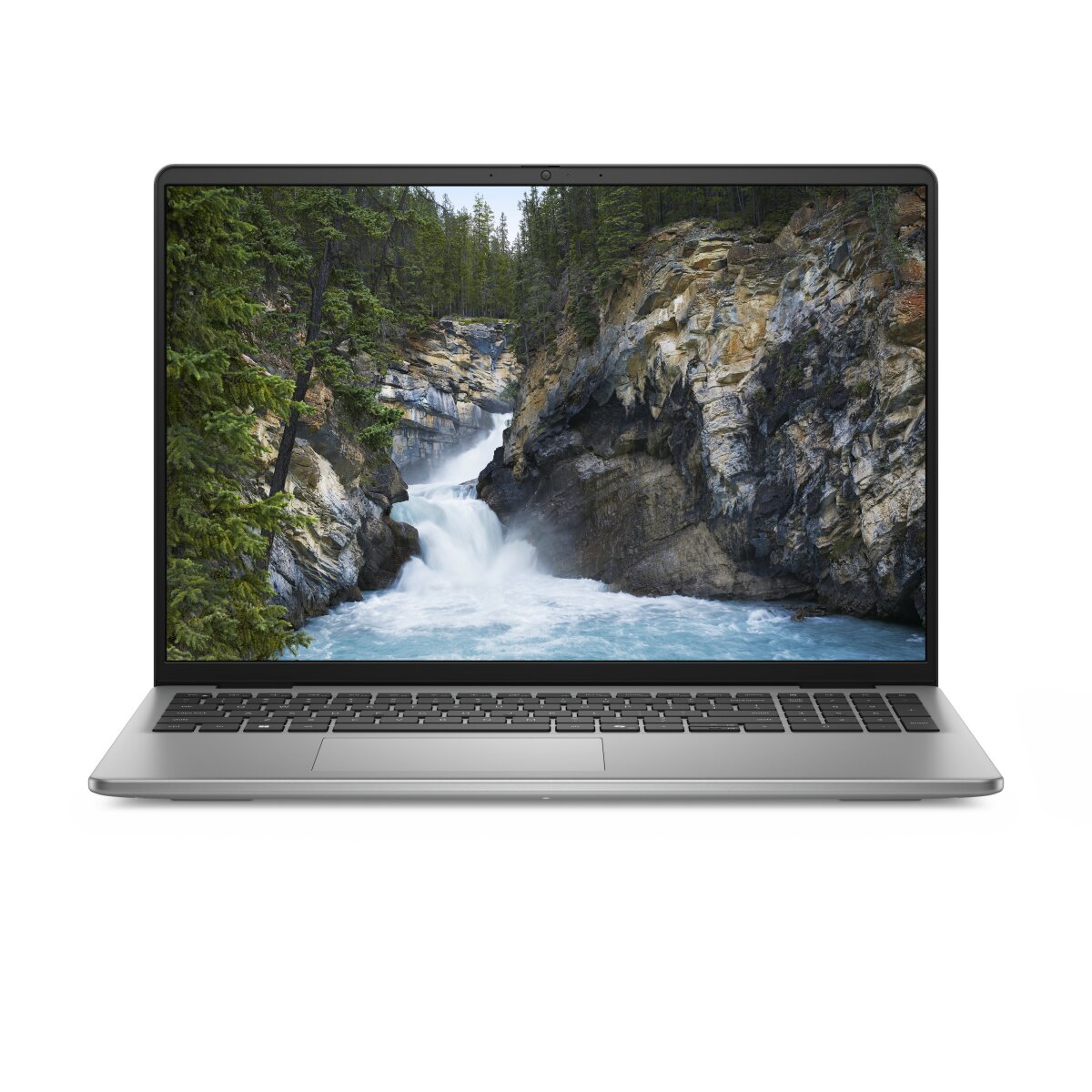
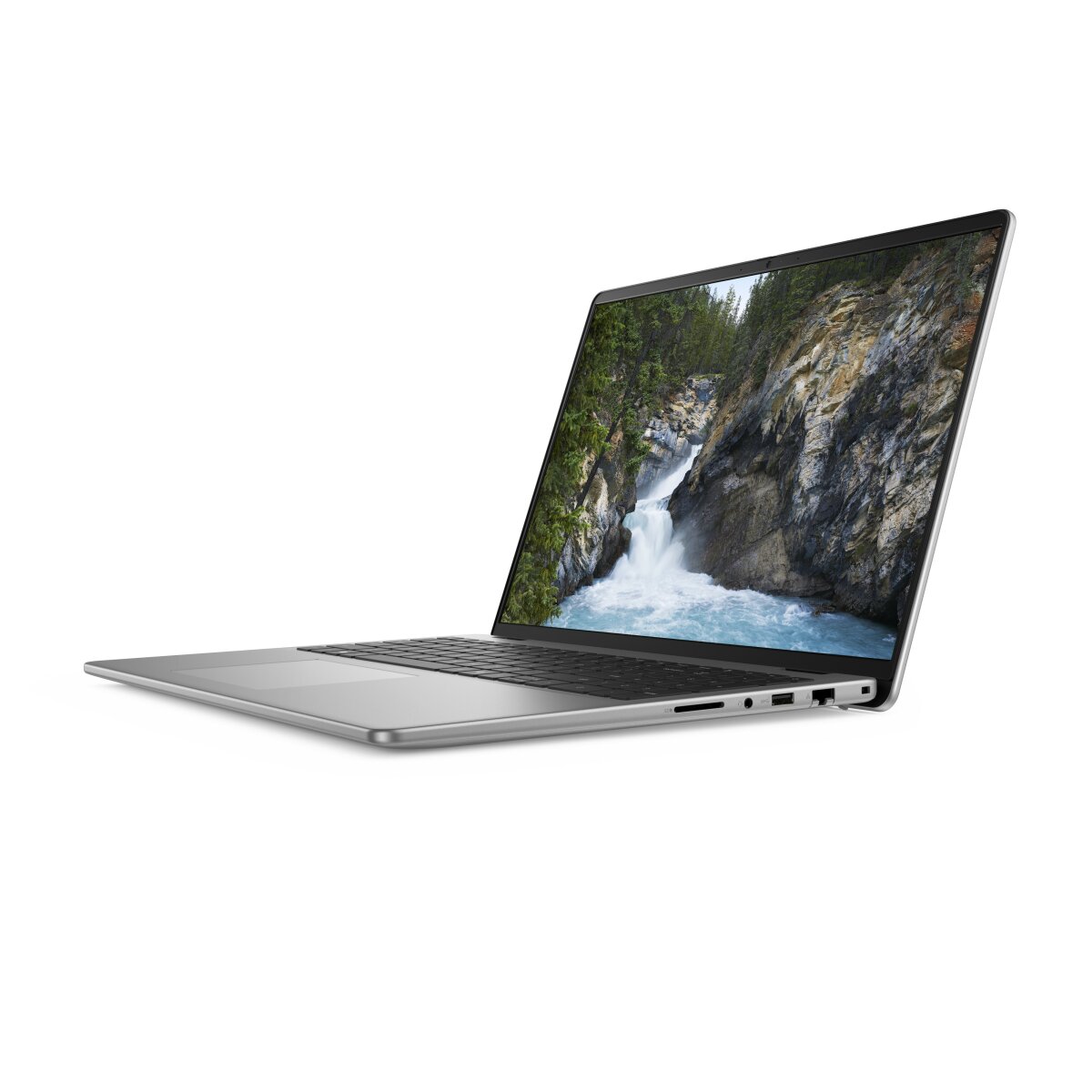
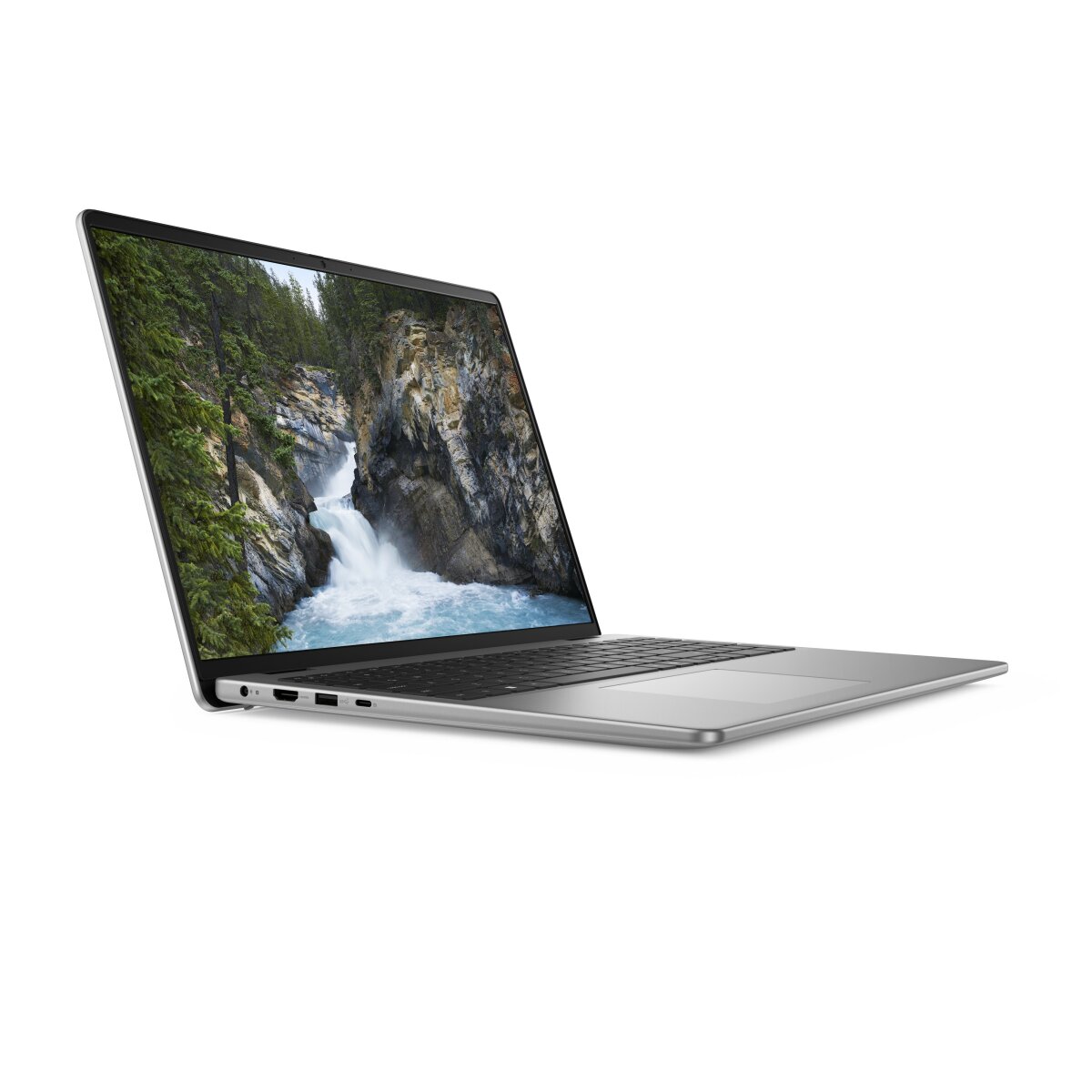
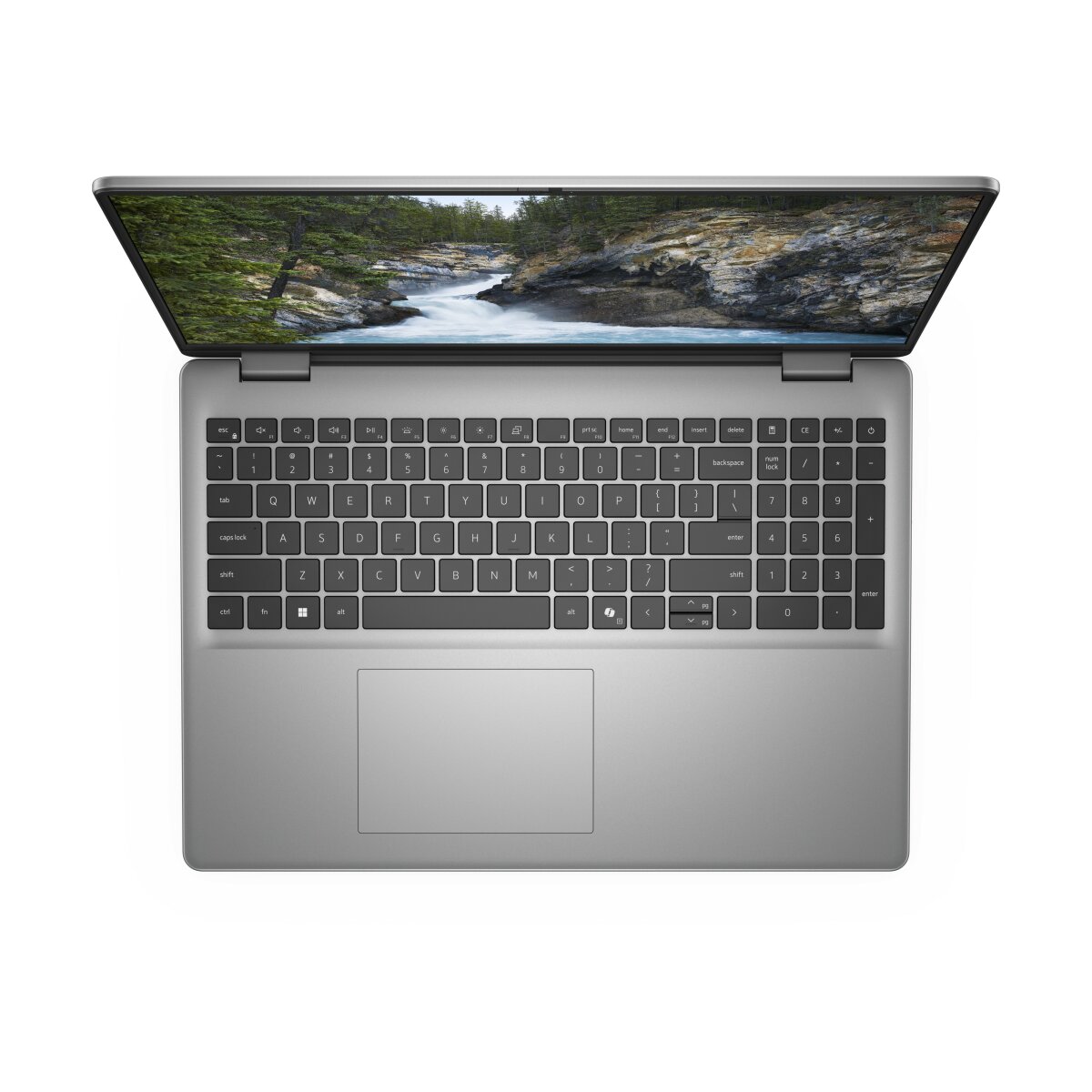
Dell Vostro 16 Series 5640 laptop supports DDR5-SDRAM memory upgrades through 2x SO-DIMM slots. Maximum RAM capacity reaches 32 GB total. Compatible memory operates at 5200 MHz frequency with SO-DIMM form factor. Upgrade specifications enable expansion of system memory for enhanced multitasking performance and application responsiveness on this mobile workstation model.
Memory Upgrade Specifications
| Specification | Value |
|---|---|
| Memory slots | 2x SO-DIMM |
| Form factor | SO-DIMM |
| Memory type | DDR5-SDRAM |
| Frequency | 5200 MHz |
| Maximum RAM | 32 GB |
| Voltage | 1.1V |
| Number of pins | 262-pin |
| Interface | PC5 |
| PC Speed Rating | PC5-5200 (PC5-41600) |
| Bandwidth | 41.6 GB/s |
Additional Notes
- The Dell Vostro 5640 operates with a 2-slot SO-DIMM architecture, meaning both memory modules must be replaced simultaneously to achieve the 32 GB maximum capacity. Single-slot upgrades leave the second slot empty, which prevents dual-channel operation and reduces memory bandwidth by approximately 50 percent.
- DDR5-5200 modules operate at memory latency values typically ranging from CAS 40 to 42, creating a narrower performance window compared to DDR5-6000 alternatives. This frequency ceiling may represent a design constraint rather than component limitation, affecting future upgrade attractiveness once faster DDR5 modules become standard.
- SO-DIMM form factor requires laptop-grade memory modules rather than desktop UDIMM equivalents. Desktop DDR5 modules are physically incompatible and cannot be installed, eliminating any cost-saving strategy of sourcing surplus consumer-grade memory.
- Upgrading from factory configuration to the 32 GB maximum requires purchasing 2x16 GB matched pairs. Mixing different manufacturers, timings, or speed grades within the 2 slots may trigger memory training errors or force clock throttling to the lowest specified module speed.
- The 2-slot limitation creates a ceiling effect; expanding beyond 32 GB requires complete system replacement since no additional memory slots exist. This constraint becomes relevant for long-term workload planning beyond 4 to 5 years of typical business use.