DELL Pro PB16250 RAM upgrade specifications


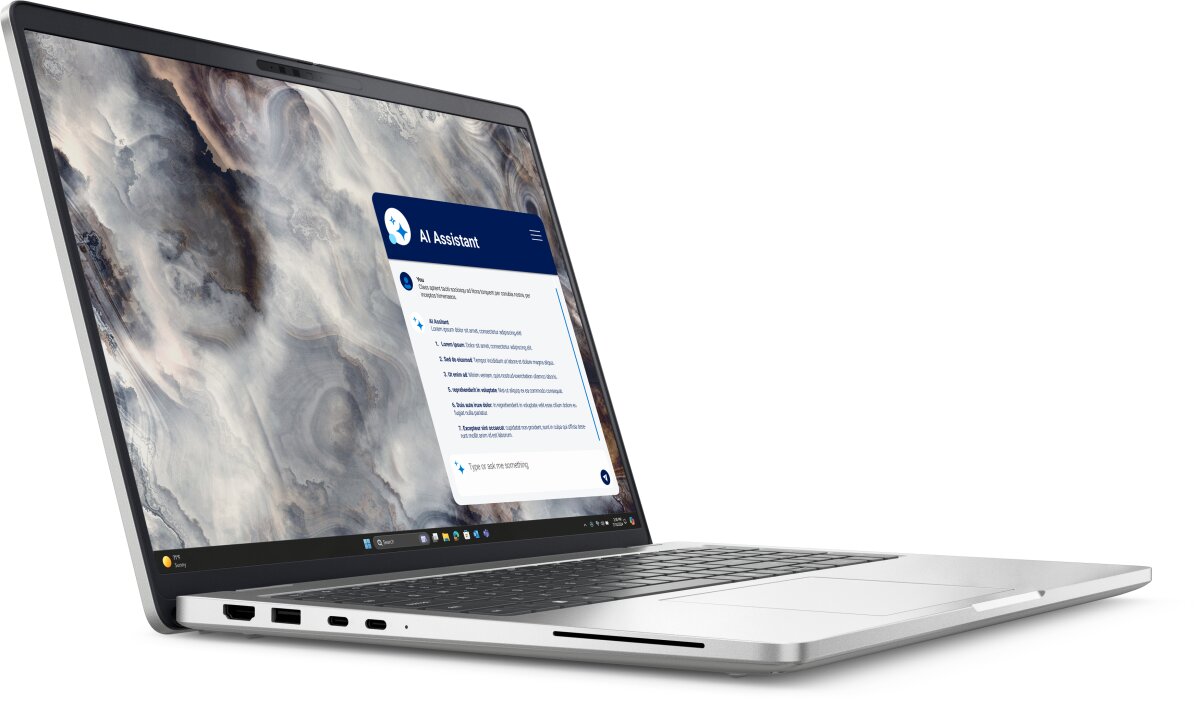

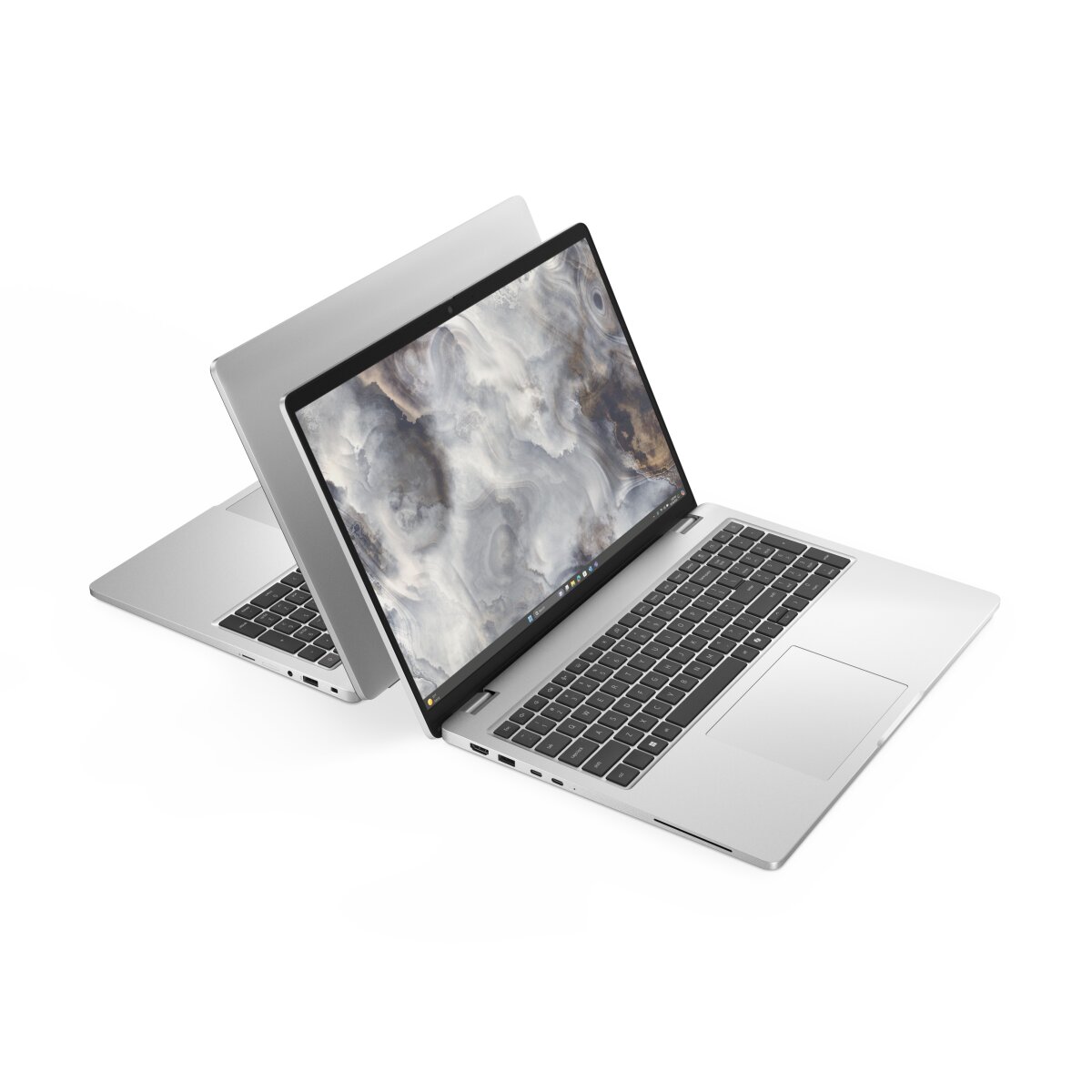
DELL Pro 16 Plus PB16250 laptop accommodates DDR5-SDRAM memory upgrades through 2x SO-DIMM slots, supporting maximum capacity of 64 GB total RAM. Compatible memory modules operate at 5600 MHz frequency with SO-DIMM form factor. Specifications enable users to expand system memory for enhanced multitasking performance. Maximum supported RAM configuration requires installation of compatible DDR5 modules rated for this notebook series.
Memory Upgrade Specifications
| Specification | Value |
|---|---|
| Memory slots | 2x SO-DIMM |
| Form factor | SO-DIMM |
| Memory type | DDR5-SDRAM |
| Frequency | 5600 MHz |
| Maximum RAM | 64 GB |
| Voltage | 1.1V |
| Number of pins | 262-pin |
| Interface | PC5 |
| PC Speed Rating | PC5-5600 (PC5-44800) |
| Bandwidth | 44.8 GB/s |
Additional Notes
- The DELL Pro PB16250 implements DDR5-SDRAM technology, which requires non-backward-compatible modules distinct from DDR4 physical keying and voltage specifications.
- Modules rated below 5600 MHz will typically clock down to their native frequency, potentially underutilizing the platform's memory controller capabilities.
- The 64 GB ceiling enforces a practical configuration of either 2x32 GB modules or tolerates asymmetric pairing such as 16 GB plus 48 GB, though dual-channel efficiency favors matched capacities.
- SO-DIMM form factor excludes standard DIMM desktop modules due to incompatible pin counts and physical dimensions.
- Systems shipping with soldered memory alongside SO-DIMM slots may restrict total capacity below the 64 GB maximum depending on factory-installed onboard allocation.
- DDR5 operates at 1.1 volts nominal, creating thermal and power delivery differences compared to DDR4's 1.2-volt standard that affect sustained workload behavior.
- Dual-slot architecture necessitates complete module replacement rather than incremental addition when upgrading from populated configurations.
- JEDEC-standard DDR5-5600 timing profiles differ from XMP or EXPO overclocking specifications, which may require BIOS enablement unavailable in OEM-locked firmware.
- On-die ECC present in DDR5 architecture operates independently of system-level ECC support, providing baseline error correction without OS visibility.
- Mixing modules from different manufacturers or production batches risks stability issues despite identical speed ratings due to variance in secondary timings and IC sourcing.