DELL Precision 7770 RAM upgrade specifications

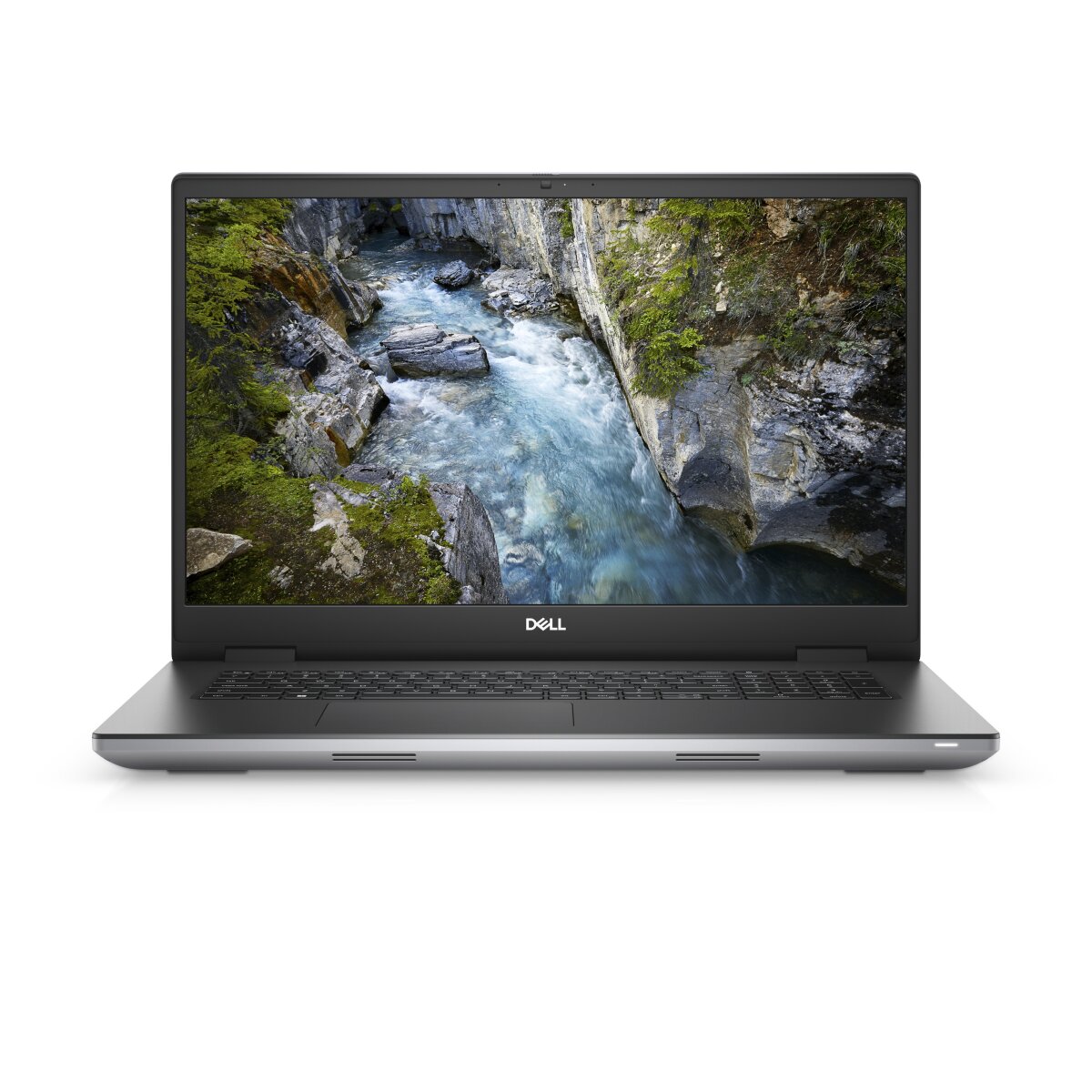

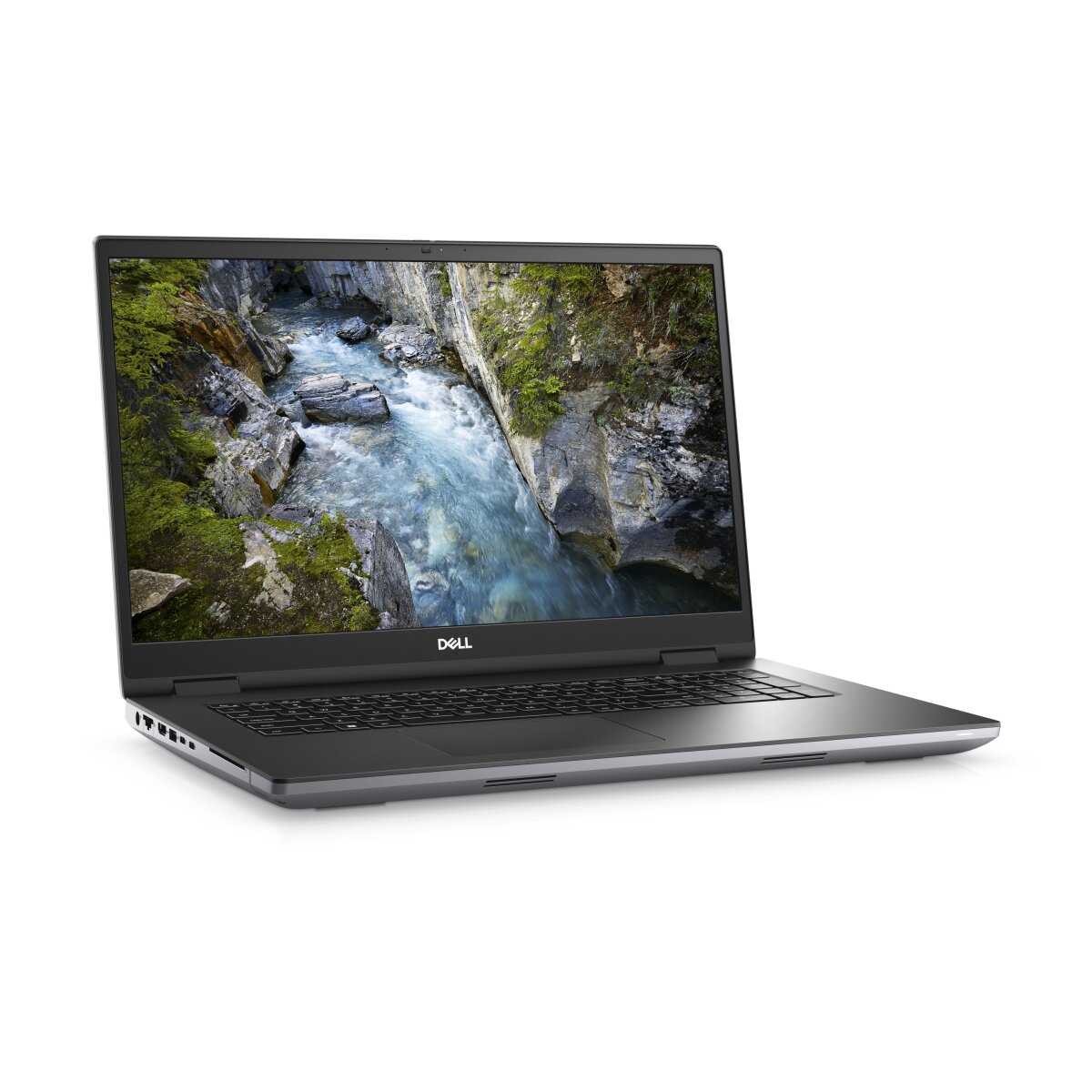

Dell Precision 7000 series model 7770 supports DDR5-SDRAM memory upgrades with CAMM module form factor operating at 4800 MHz frequency. The laptop specifications indicate maximum RAM capacity of 128 GB. Compatible memory upgrades utilize DDR5-SDRAM technology. The Precision 7770 model offers substantial memory upgrade potential for demanding workloads and applications requiring extended RAM capacity. Memory specifications are based on Dell's official Precision 7770 technical documentation and compatibility guidelines.
Memory Upgrade Specifications
| Specification | Value |
|---|---|
| Memory slots | Not available |
| Form factor | CAMM module |
| Memory type | DDR5-SDRAM |
| Frequency | 4800 MHz |
| Maximum RAM | 128 GB |
| Voltage | 1.1V |
| Number of pins | 262-pin |
| Interface | PC5 |
| PC Speed Rating | PC5-4800 (PC5-38400) |
| Bandwidth | 38.4 GB/s |
| Laptop Release date | 04 November 2022 |
Additional Notes
- The Dell Precision 7770 utilizes a proprietary Compression Attached Memory Module architecture which eliminates traditional SODIMM slots and prevents the use of standard off the shelf memory sticks.
- Physical height limitations of the CAMM interface necessitate precise torque application during installation to ensure consistent pin contact across the wide connector surface.
- Replacement of the primary memory module requires a specific interposer bracket if attempting to revert to dual SODIMM configurations for lower capacity scaling.
- Internal bandwidth remains restricted to single module throughput despite high capacity ceilings which impacts latency sensitive rendering tasks compared to multi channel slot arrays.
- Thermal dissipation for the memory occurs through direct contact with the chassis underside making the module sensitive to localized heat soak during sustained maximum 128 GB workloads.
- Upgrading to the maximum supported capacity involves a singular board exchange rather than incremental additions because the format does not support stacking modules.
- High density DDR5 integrated circuits on the CAMM module increase the necessity for active cooling airflow to prevent memory downclocking under heavy computational stress.