DELL Precision 7750 RAM upgrade specifications



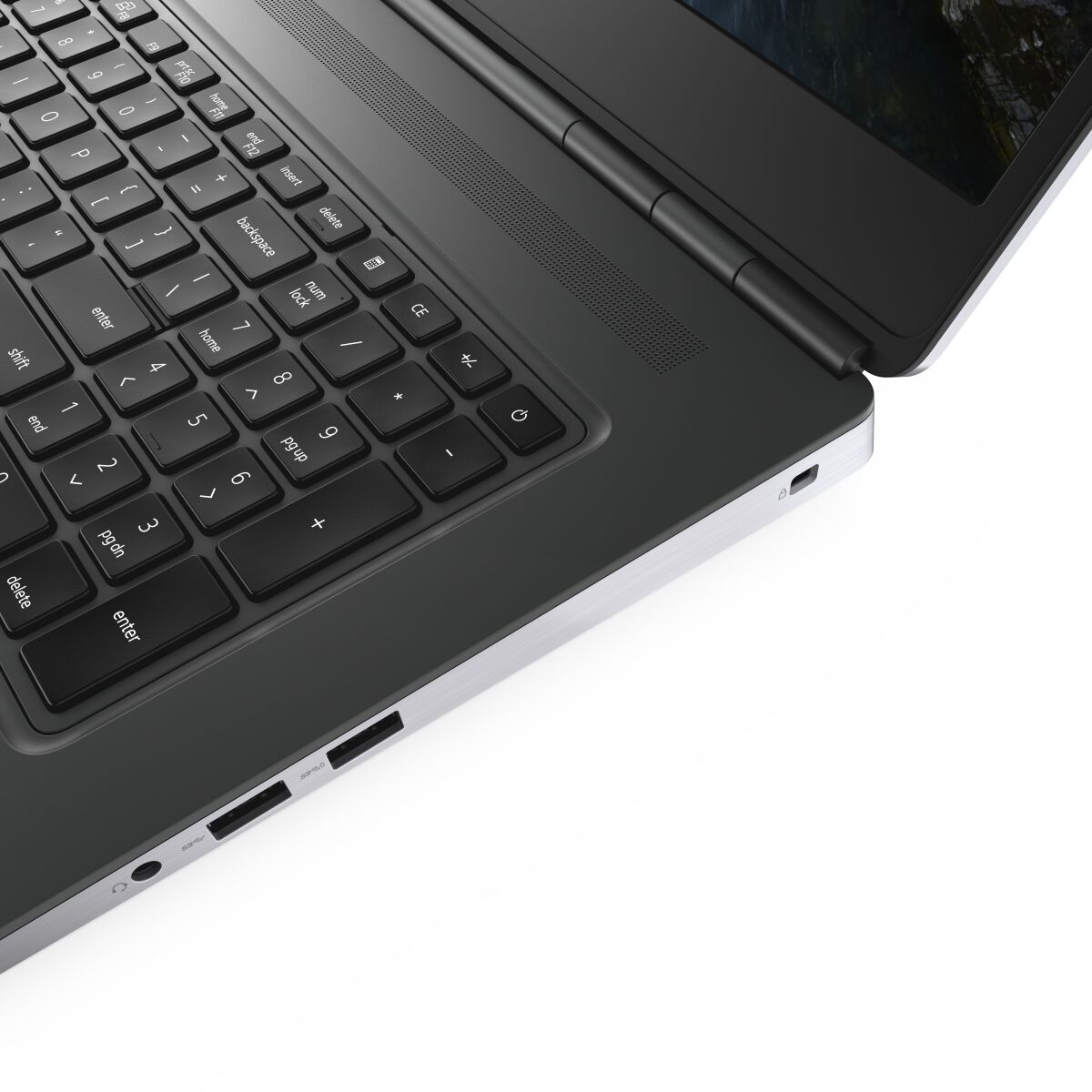
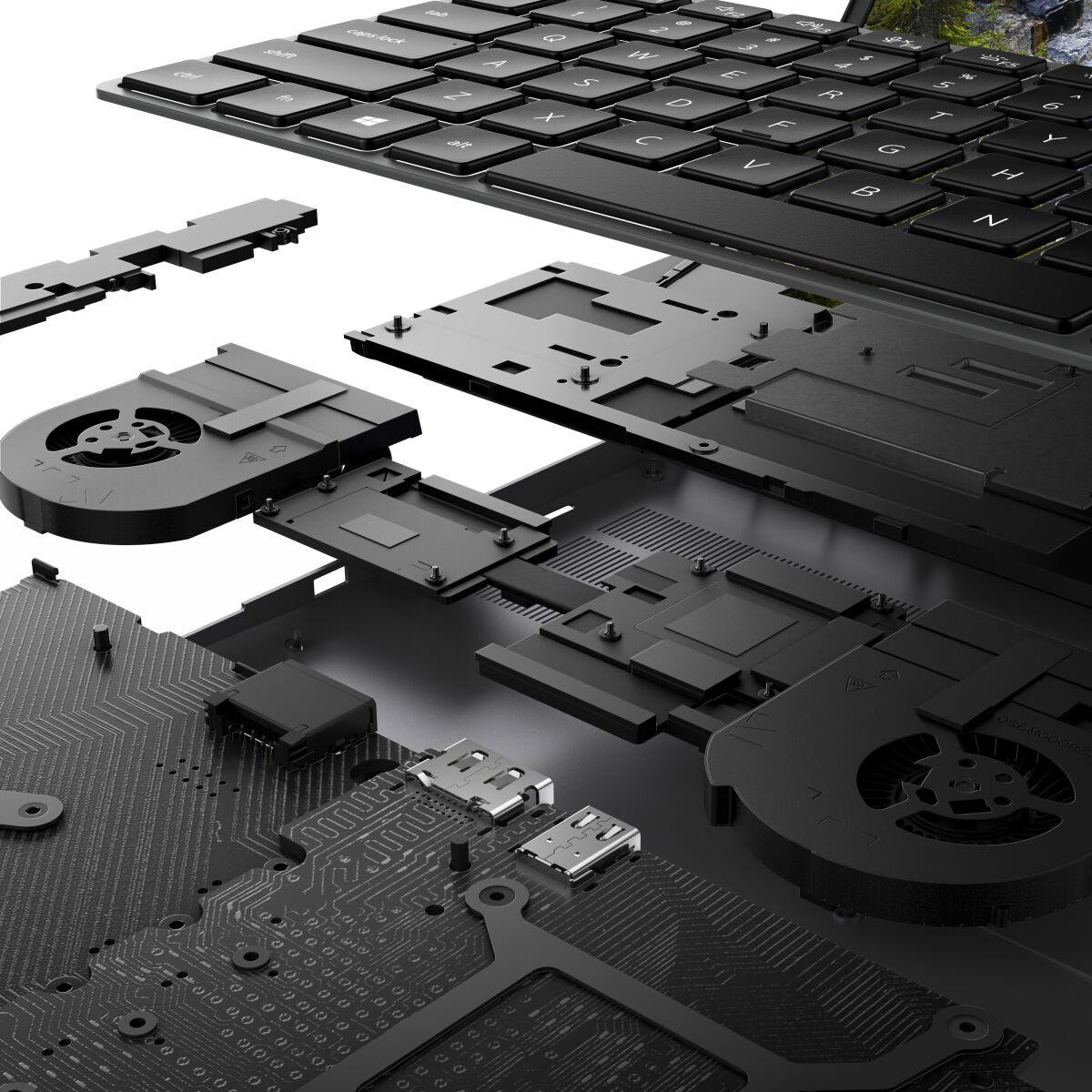
The Dell Precision 7750 laptop features four SO-DIMM memory slots supporting DDR4-SDRAM upgrades at 2933 MHz frequency. Maximum RAM capacity reaches 128 GB for this mobile workstation model. Compatible memory modules must utilize the SO-DIMM form factor specifications. Users can upgrade the memory configuration by installing compatible DDR4 modules in available slots to enhance system performance. The 7750 series supports memory expansion within the stated maximum capacity parameters.
Memory Upgrade Specifications
| Specification | Value |
|---|---|
| Memory slots | 4x SO-DIMM |
| Form factor | SO-DIMM |
| Memory type | DDR4-SDRAM |
| Frequency | 2933 MHz |
| Maximum RAM | 128 GB |
| Voltage | 1.2V |
| Number of pins | 260-pin |
| Interface | PC4 |
| PC Speed Rating | PC4-2933 (PC4-23464) |
| Bandwidth | 23.5 GB/s |
| Laptop Release date | 28 June 2020 |
Additional Notes
- The Dell Precision 7750 supports DDR4-3200 modules, but native JEDEC specification operates at 2933 MHz, resulting in automatic downclocking of faster memory to match the controller's validated speed ceiling.
- Four SO-DIMM slots enable symmetric dual-channel configuration only if populated in pairs across both channels, with asymmetric population causing single-channel fallback on one channel pair and reduced memory bandwidth by approximately 50 percent.
- The 128 GB maximum capacity requires all 4 slots populated with 32 GB SO-DIMM modules, creating a single upgrade path with no intermediate density options for incremental expansion without full module replacement.
- SO-DIMM form factor necessitates partial system disassembly to access memory slots, typically requiring keyboard removal and potential thermal interface disturbance, which may void warranty coverage if reassembly does not restore thermal compound specifications.
- DDR4-SDRAM at 2933 MHz provides 46.8 GB/s theoretical bandwidth per channel, but workloads exceeding L3 cache capacity will experience latency penalties when accessing main memory compared to desktop DDR4 systems operating at higher effective speeds.
- Mixing memory frequencies within the 4 slots forces the entire subsystem to operate at the lowest installed module frequency, effectively capping performance at the slowest module regardless of others' rated capability.