DELL Precision 7740 RAM upgrade specifications
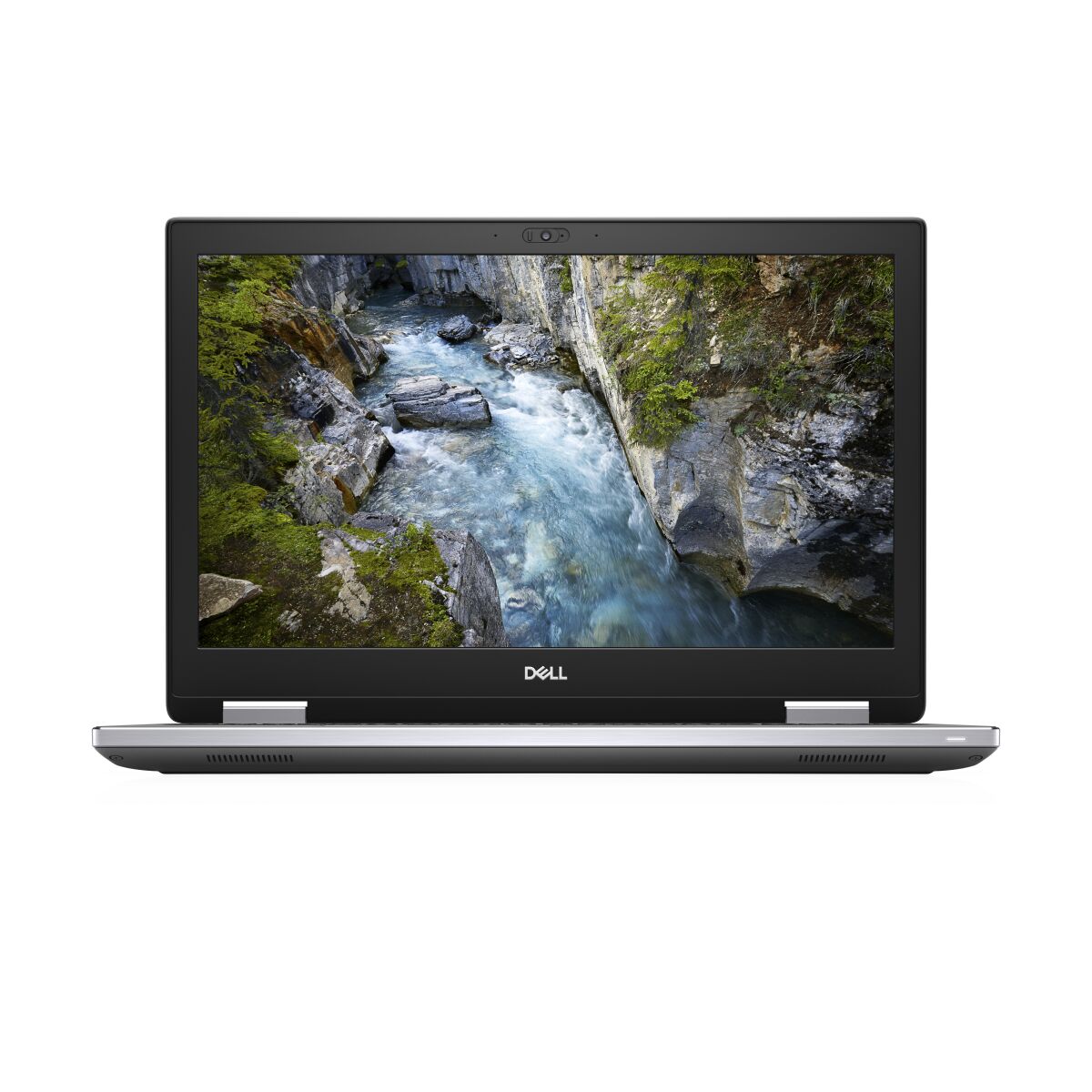
The Dell Precision 7000 series 7740 laptop supports DDR4-SDRAM memory upgrades with a maximum capacity of 128 GB. The system features four SO-DIMM slots for memory expansion, compatible with DDR4 modules operating at 2666 MHz frequency. Specifications indicate SO-DIMM form factor memory modules are required for RAM upgrade compatibility on this Precision 7740 model.
Memory Upgrade Specifications
| Specification | Value |
|---|---|
| Memory slots | 4x SO-DIMM |
| Form factor | SO-DIMM |
| Memory type | DDR4-SDRAM |
| Frequency | 2666 MHz |
| Maximum RAM | 128 GB |
| Voltage | 1.2V |
| Number of pins | 260-pin |
| Interface | PC4 |
| PC Speed Rating | PC4-2666 (PC4-21328) |
| Bandwidth | 21.3 GB/s |
| Laptop Release date | 07 August 2019 |
Additional Notes
- The presence of 4 SO-DIMM slots in the DELL Precision 7740 necessitates the use of a dual-core or quad-core processor architecture to fully address the total capacity, as certain entry-level CPU configurations may only support 2 active slots.
- Utilizing all 4 slots enables interleaved quad-channel memory behavior, significantly increasing memory bandwidth compared to standard dual-slot mobile workstations.
- Performance is governed by the lowest common denominator, meaning any module installed with a frequency higher than 2666 MHz will automatically downclock to match the slowest module or the system bus limitation.
- Physical access to the memory banks typically requires removing both the bottom base cover and the internal keyboard, as the slots are often split between the primary and secondary sides of the motherboard.
- High-density 32 GB modules are required to reach the maximum threshold, necessitating the use of dual-rank chips which may increase electrical load and thermal output within the chassis.
- Mixing memory modules from different manufacturers or with differing internal timings can trigger stability issues or boot failures due to the strict BIOS requirements for matched latency profiles.
- The hardware architecture supports ECC and non-ECC modules, but these types cannot be mixed within the same system without causing a POST failure.