DELL Precision 7730 RAM upgrade specifications



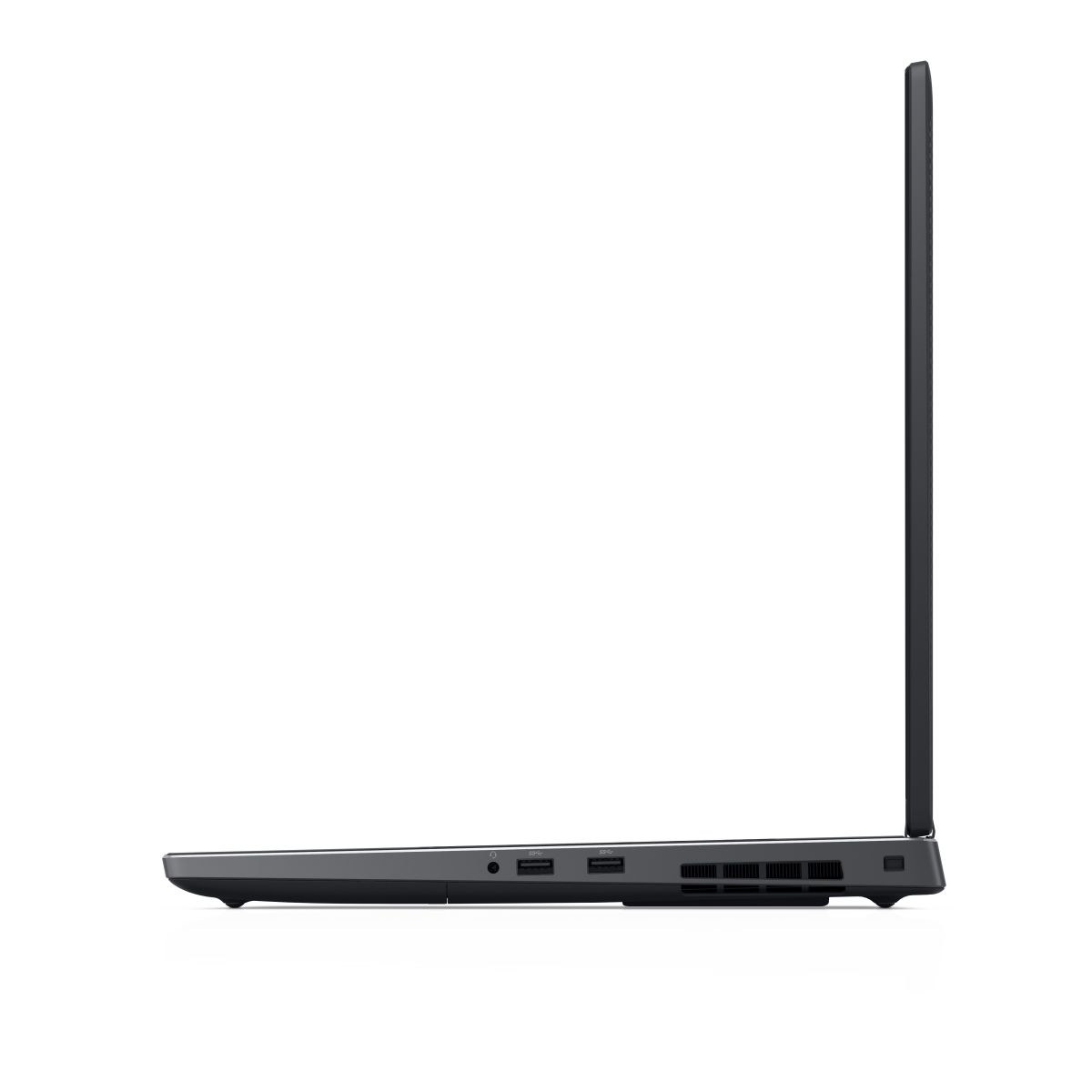
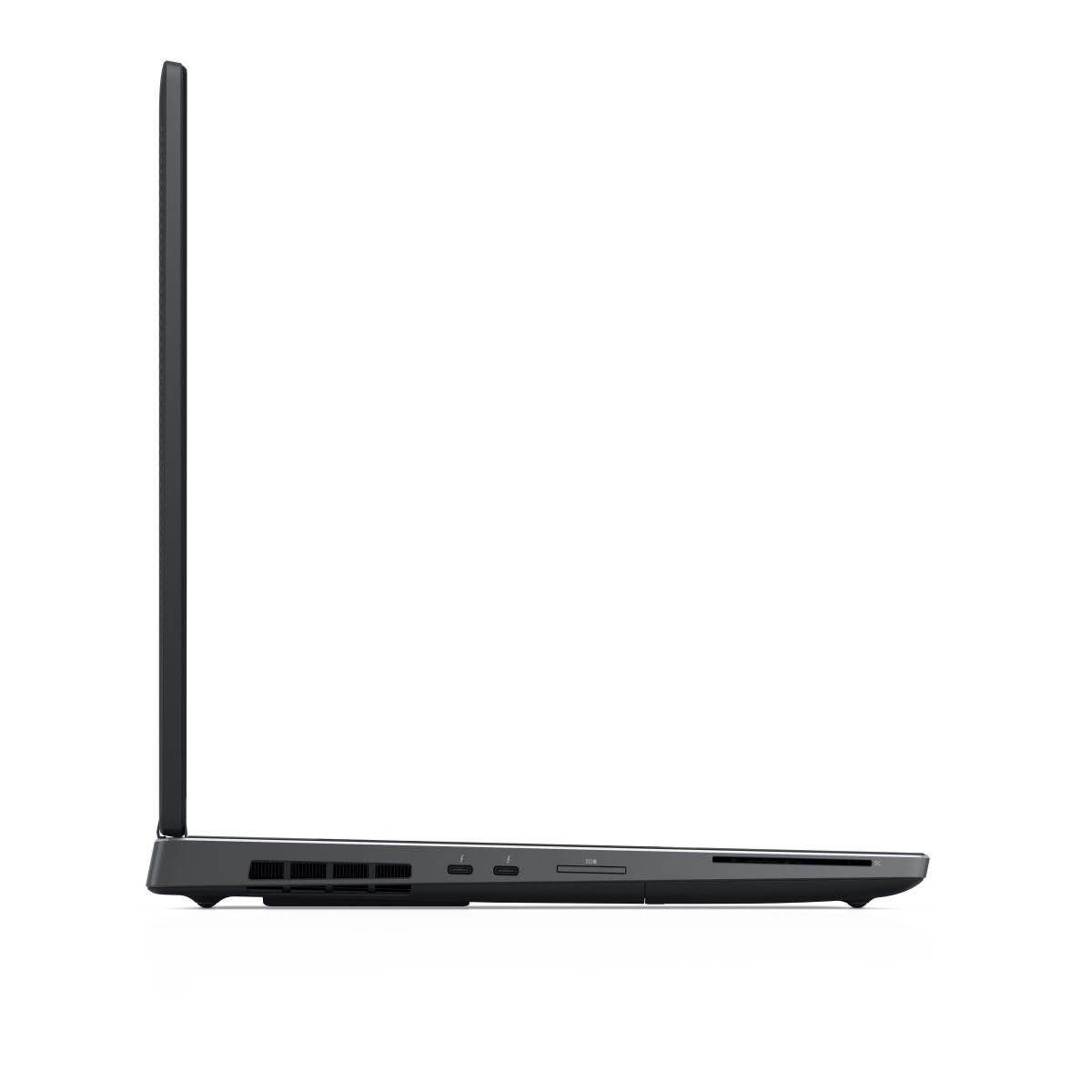
The DELL Precision 7000 series 7730 workstation supports DDR4-SDRAM memory upgrades with a maximum capacity of 128 GB across four SO-DIMM slots. Compatible memory modules operate at 2666 MHz frequency and utilize the SO-DIMM form factor. Specifications indicate upgrade compatibility with DDR4-SDRAM modules meeting these technical parameters for expanded memory capacity on the Precision 7730 platform.
Memory Upgrade Specifications
| Specification | Value |
|---|---|
| Memory slots | 4x SO-DIMM |
| Form factor | SO-DIMM |
| Memory type | DDR4-SDRAM |
| Frequency | 2666 MHz |
| Maximum RAM | 128 GB |
| Voltage | 1.2V |
| Number of pins | 260-pin |
| Interface | PC4 |
| PC Speed Rating | PC4-2666 (PC4-21328) |
| Bandwidth | 21.3 GB/s |
| Laptop Release date | 07 September 2018 |
Additional Notes
- The 4 SO-DIMM configuration allows incremental upgrades without discarding existing modules if fewer than 4 slots are occupied.
- DDR4-2666 modules running at higher frequencies will automatically downclock to 2666 MHz due to system controller limitations.
- The 128 GB maximum capacity requires 4x 32 GB modules, which represent the only configuration to reach this ceiling.
- SO-DIMM form factor excludes standard desktop DIMM modules due to incompatible physical dimensions and pin configurations.
- Memory bandwidth peaks at 21.3 GB/s per channel when operating dual-channel mode with matched module pairs.
- Mixing module capacities across slots remains functional but may disable dual-channel operation depending on population asymmetry.
- Non-ECC unbuffered modules are required unless the processor explicitly supports ECC, which would reject standard consumer memory.
- Voltage specification defaults to 1.2V for DDR4; low-voltage or overclocking modules may cause POST failures or instability.
- Thermal constraints in mobile workstation chassis may throttle sustained memory-intensive workloads despite adequate module specifications.
- Single-rank versus dual-rank module topology affects interleaving efficiency and may influence sustained bandwidth under concurrent access patterns.
- The 2666 MHz frequency limitation originates from chipset or processor memory controller specifications rather than BIOS restrictions.
- Warranty preservation typically requires manufacturer-approved modules or adherence to published specification limits during user upgrades.