DELL Precision 7760 RAM upgrade specifications
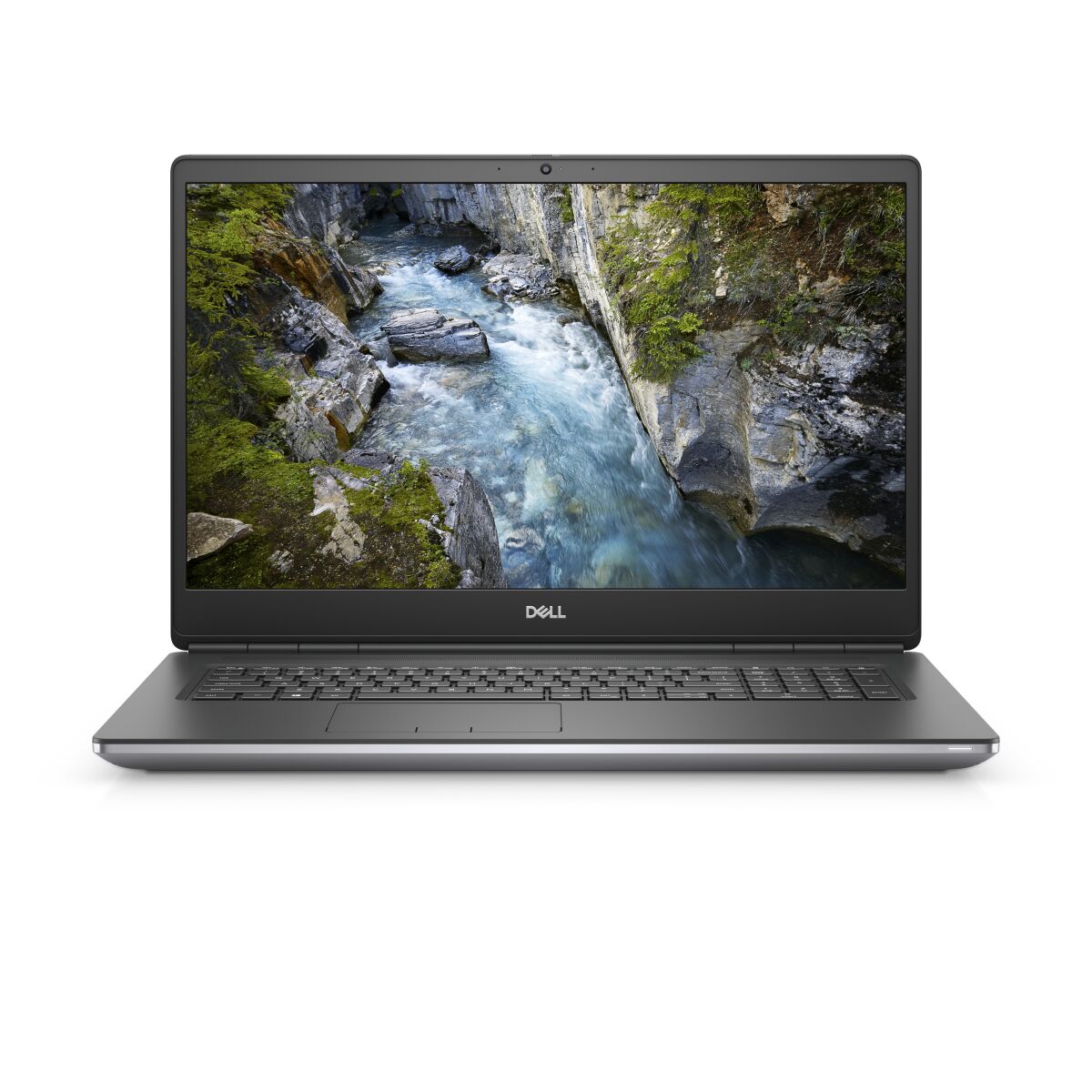


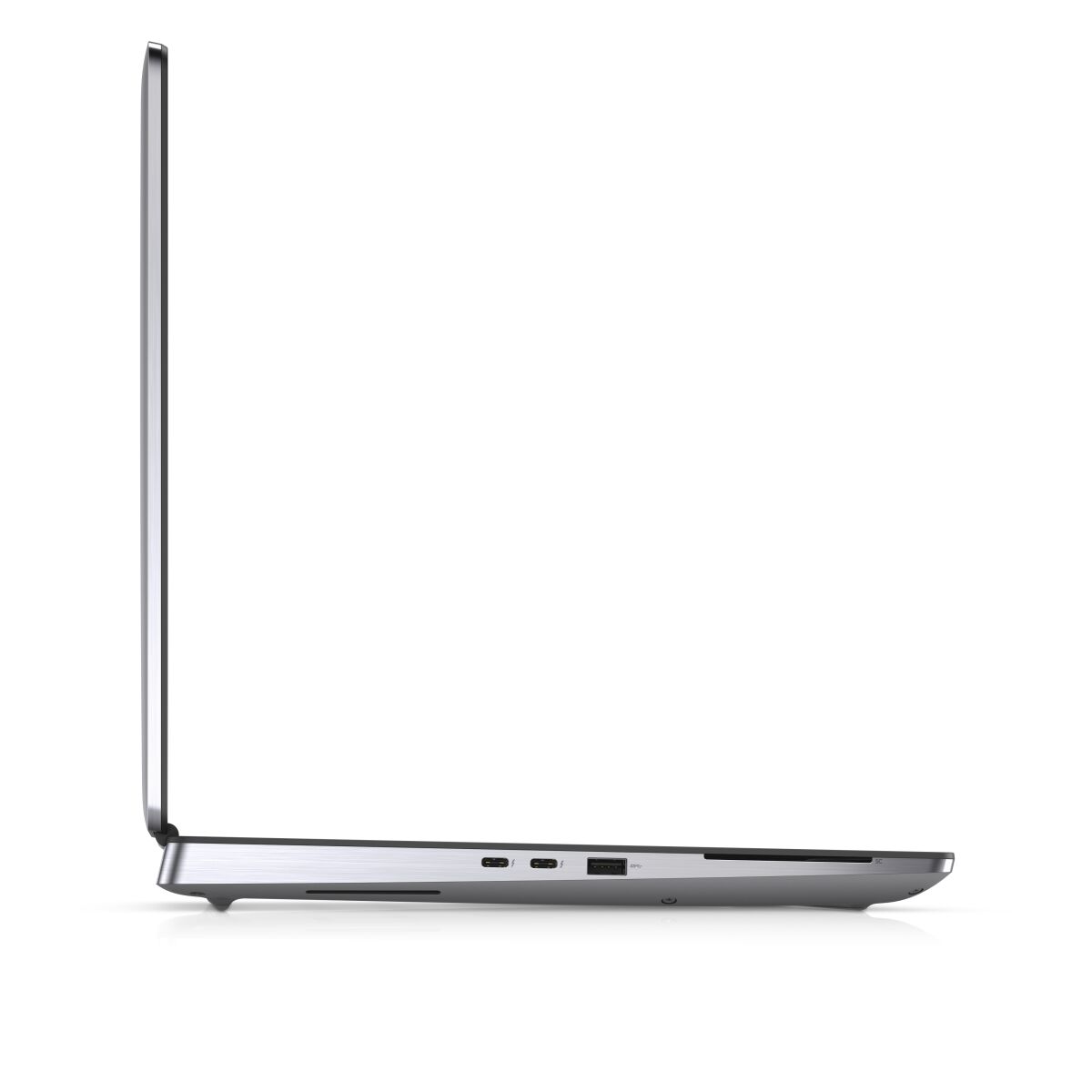
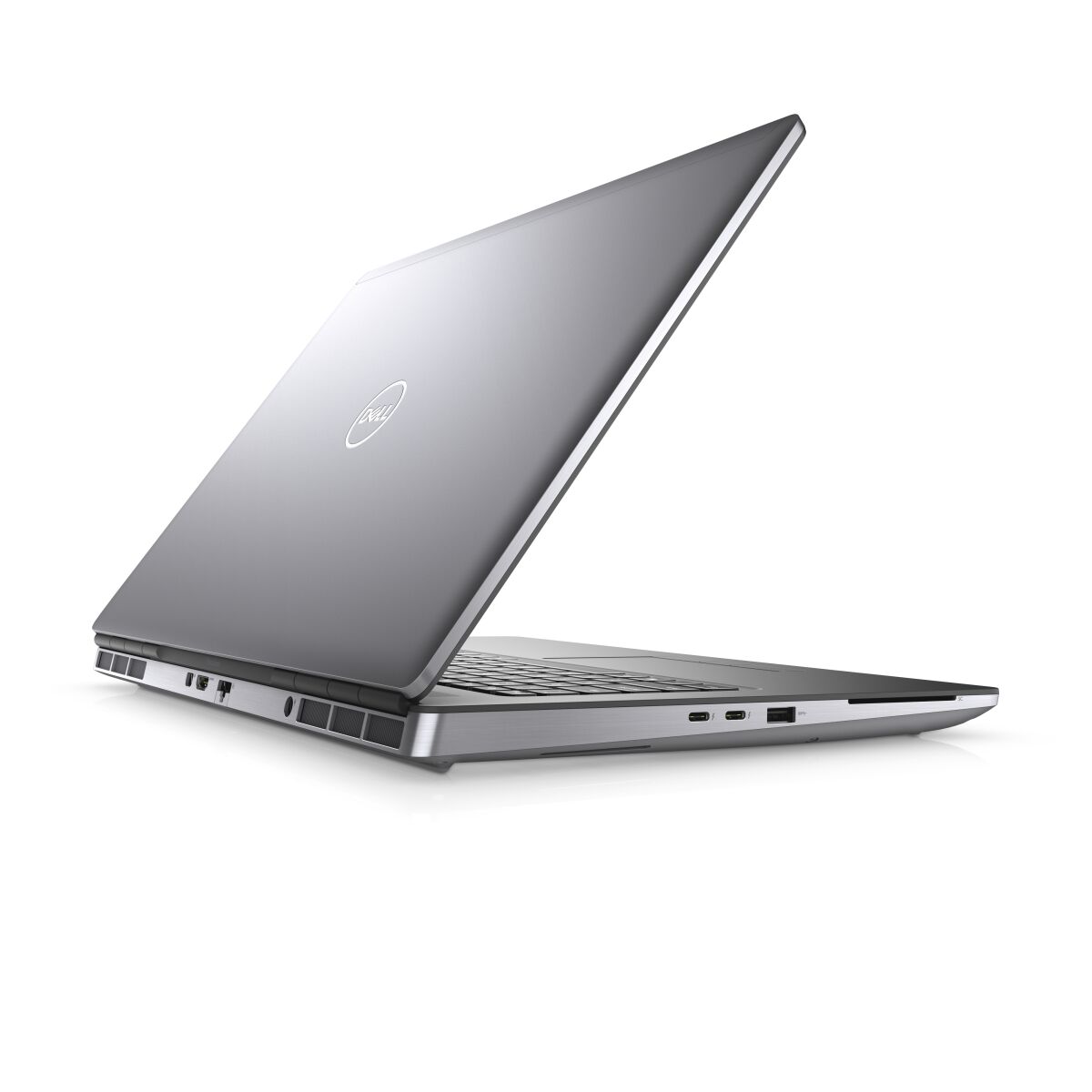
Dell Precision 7760 mobile workstation supports DDR4-SDRAM memory upgrades with maximum capacity of 128 GB across four SO-DIMM slots. Compatible RAM operates at 3200 MHz frequency. Specifications enable memory expansion for enhanced multitasking and professional applications. Upgrade options accommodate standard DDR4 SO-DIMM modules meeting Dell's compatibility requirements for the Precision 7000 series.
Memory Upgrade Specifications
| Specification | Value |
|---|---|
| Memory slots | 4x SO-DIMM |
| Form factor | SO-DIMM |
| Memory type | DDR4-SDRAM |
| Frequency | 3200 MHz |
| Maximum RAM | 128 GB |
| Voltage | 1.2V |
| Number of pins | 260-pin |
| Interface | PC4 |
| PC Speed Rating | PC4-3200 (PC4-25600) |
| Bandwidth | 25.6 GB/s |
| Laptop Release date | 28 June 2021 |
Additional Notes
- The Dell Precision 7760 supports 4 independent memory channels via SO-DIMM slots, which means maximum bandwidth is achieved only when all 4 slots are populated with matching modules. Populating fewer slots or using mismatched speeds creates asymmetrical memory access patterns that reduce throughput efficiency.
- SO-DIMM form factor imposes strict physical constraints. Aftermarket memory must not exceed 30mm in height to avoid interference with system cooling components or structural obstruction. Heatspreader height verification is mandatory before installation.
- DDR4-3200 MHz rating establishes the performance ceiling for this platform. Modules rated above 3200 MHz will either downclock to 3200 MHz automatically or require manual BIOS timing adjustments that may void warranty coverage on non-Dell-authorized configurations.
- The 128 GB capacity ceiling derives from firmware limitations rather than physical slot constraints. This threshold cannot be exceeded regardless of individual module density. Mixing 32 GB and 16 GB modules within the same system is supported but does not leverage full performance until all slots match in both capacity and timing.
- Dual-rank versus single-rank module selection affects memory latency and thermal load. High-density configurations (64 GB per module) typically use dual-rank architecture, which increases controller workload and may reduce effective throughput in scenarios where memory bandwidth saturation occurs.