DELL Vostro 3559 RAM upgrade specifications
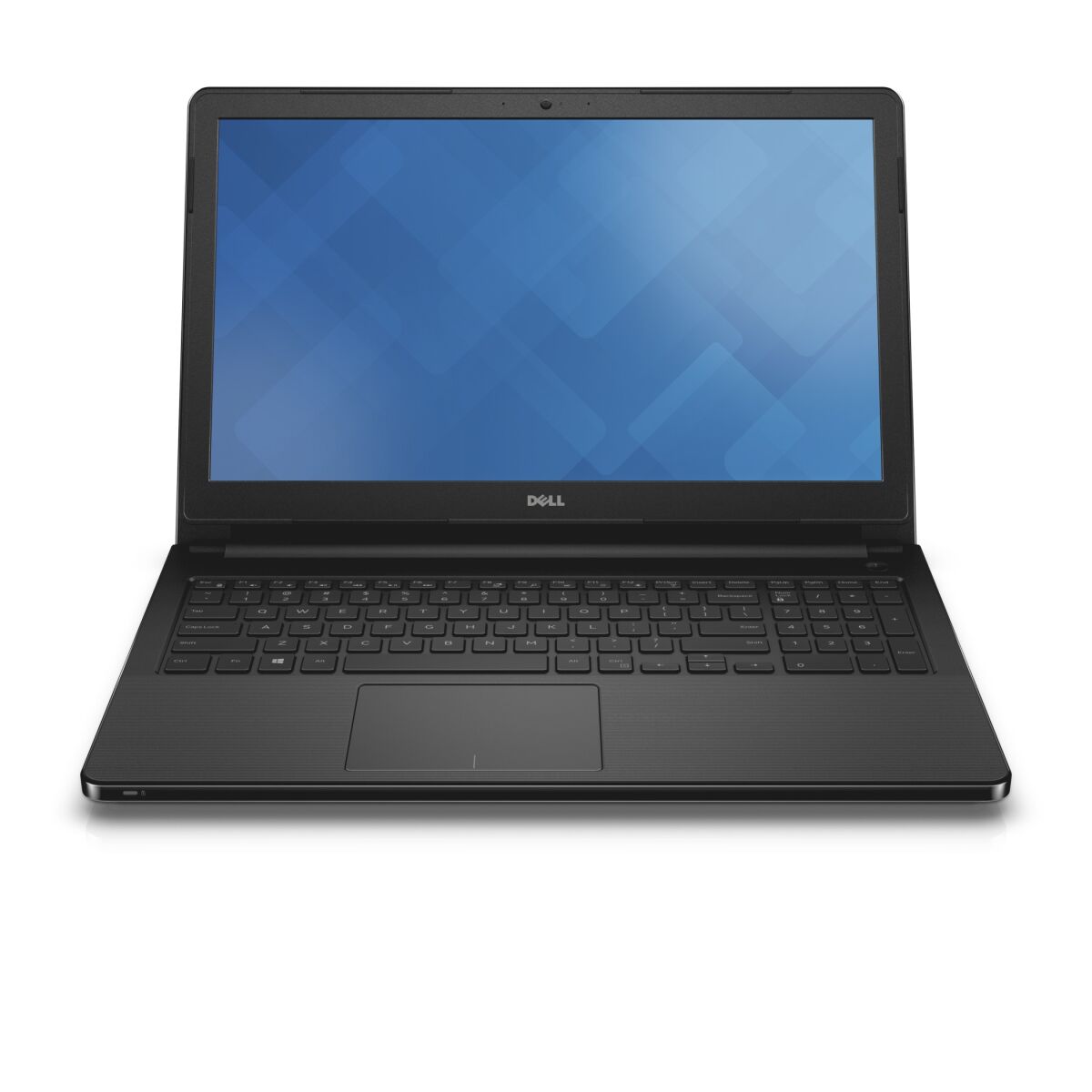
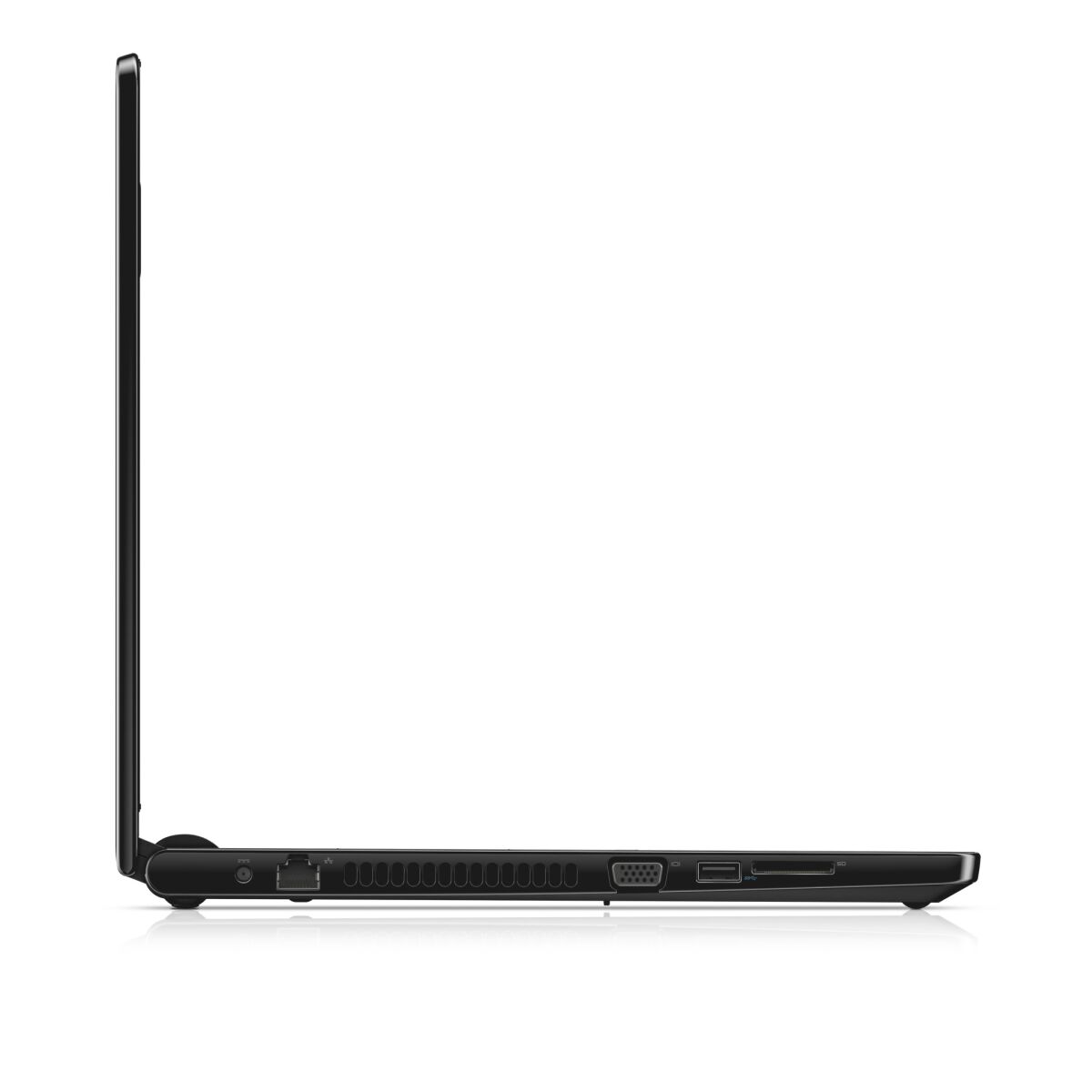
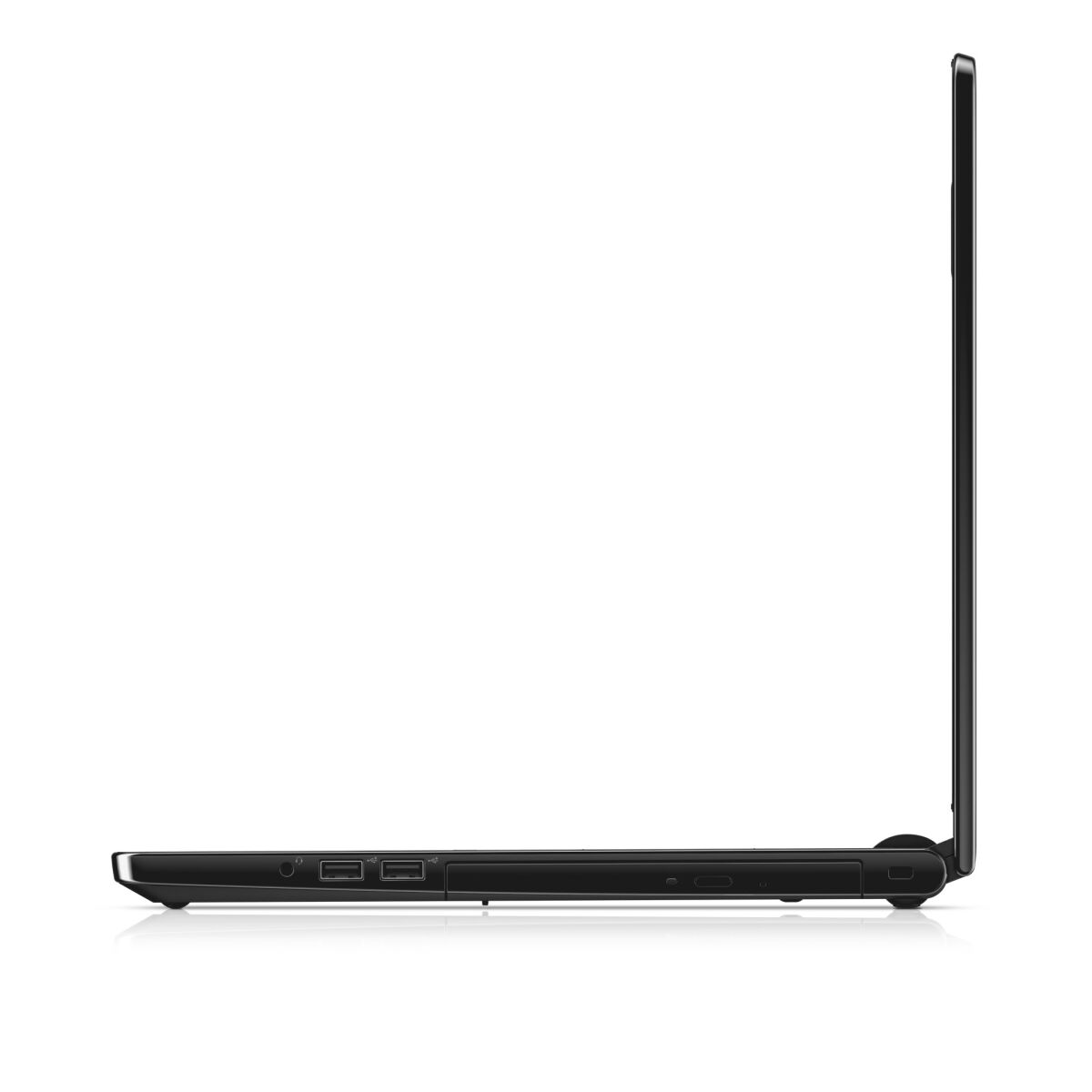
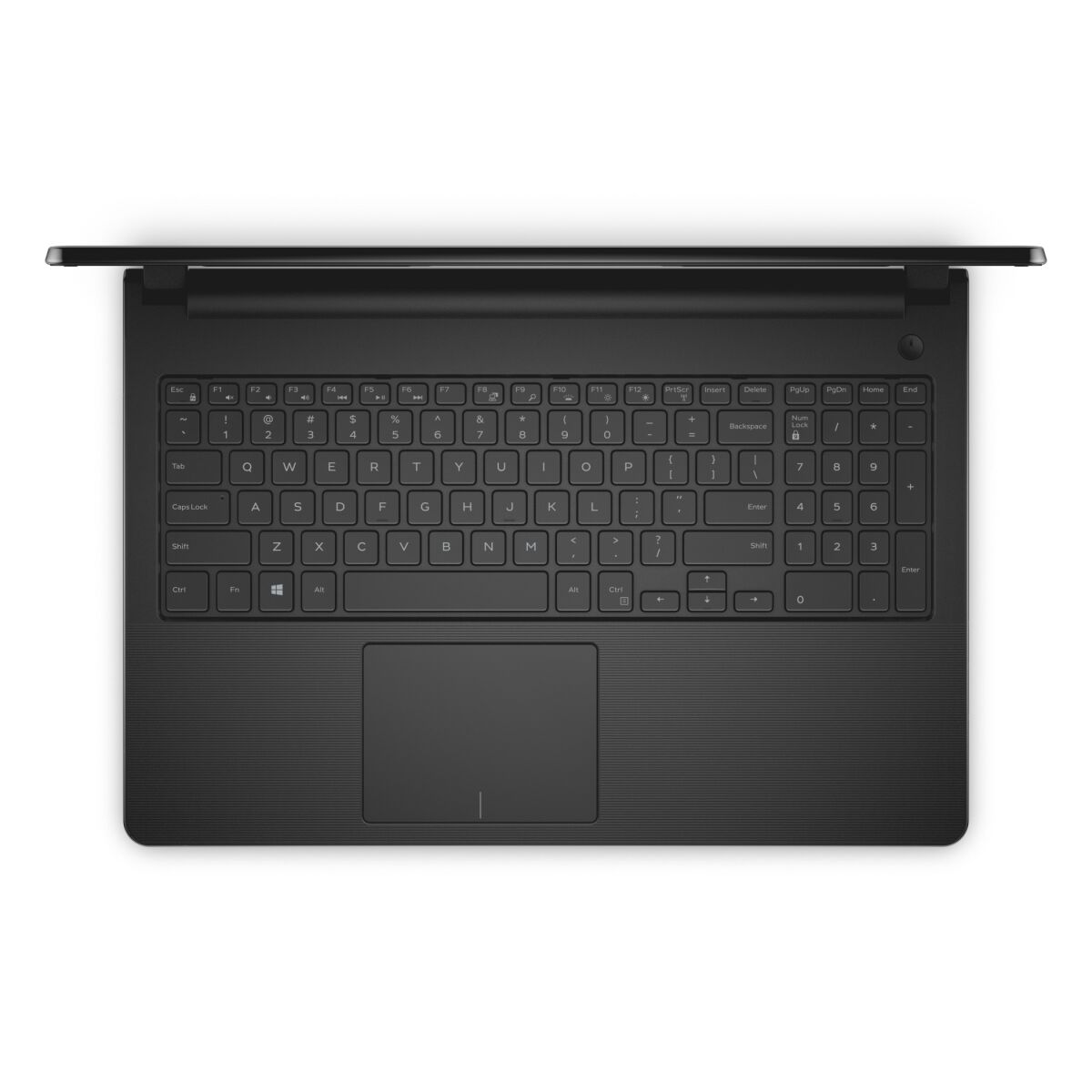
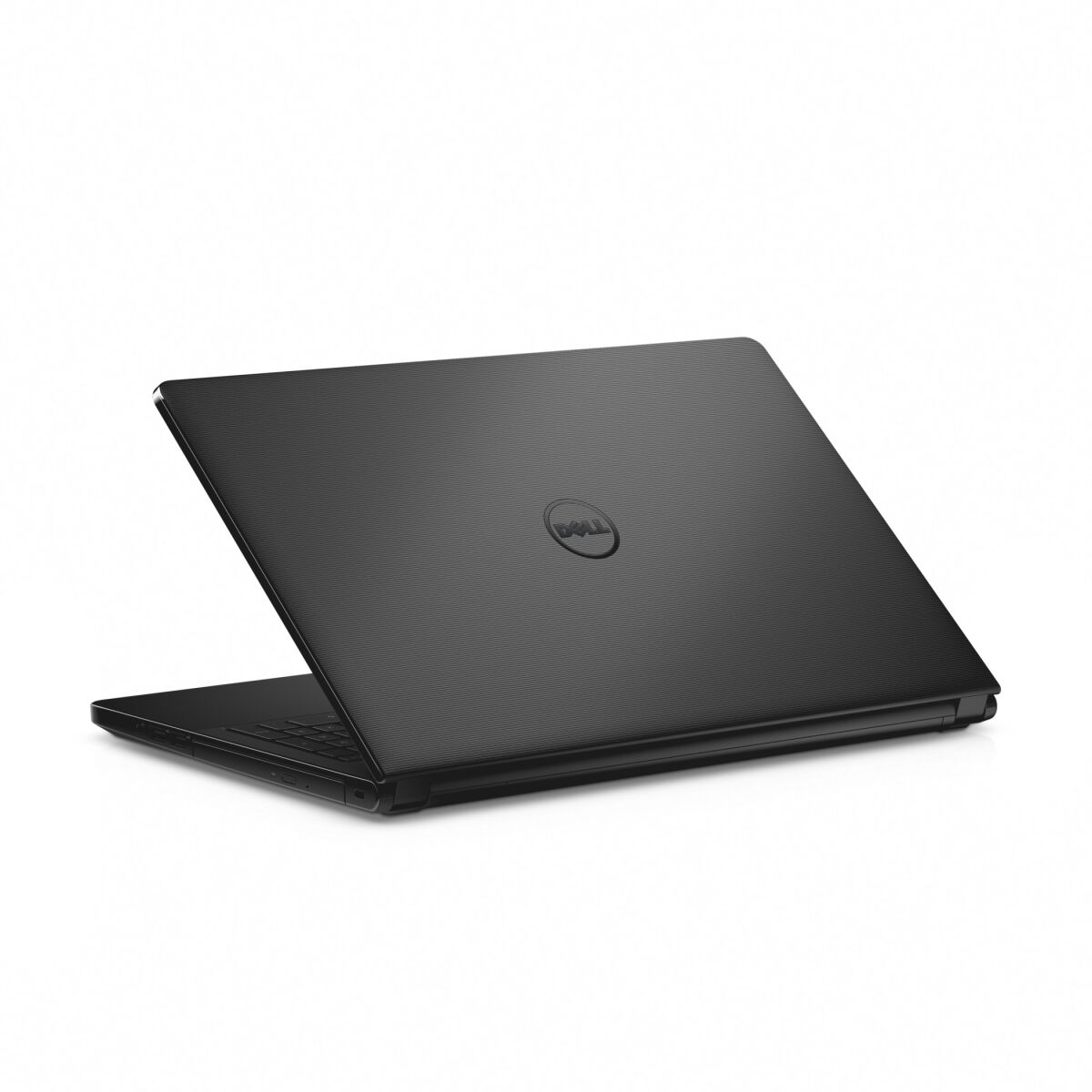
DELL Vostro 3000 Series 3559 laptop memory upgrade specifications include two SO-DIMM slots supporting DDR3L-SDRAM modules. Maximum RAM capacity reaches 16 GB total, with compatible memory operating at 1600 MHz frequency. The SO-DIMM form factor enables memory module installation and removal for upgrade purposes. This configuration allows users to expand system RAM from factory-installed capacities up to the specified maximum limit through compatible DDR3L-SDRAM upgrades.
Memory Upgrade Specifications
| Specification | Value |
|---|---|
| Memory slots | 2x SO-DIMM |
| Form factor | SO-DIMM |
| Memory type | DDR3L-SDRAM |
| Frequency | 1600 MHz |
| Maximum RAM | 16 GB |
| Voltage | 1.35V (Low Voltage) |
| Number of pins | 204-pin |
| Interface | PC3L |
| PC Speed Rating | PC3L-1600 (PC3L-12800) |
| Bandwidth | 12.8 GB/s |
| Laptop Release date | 04 January 2018 |
Additional Notes
- The DELL Vostro 3559 requires low-voltage DDR3L modules operating at 1.35V rather than standard DDR3 at 1.5V, preventing compatibility with non-L variants that could cause boot failures or hardware damage.
- The 16 GB ceiling necessitates a 2x8 GB configuration to reach maximum capacity, eliminating any 4 GB modules from future-proof upgrade paths.
- DDR3L-1600 establishes a 12.8 GB/s theoretical memory bandwidth limit per channel, creating potential bottlenecks for graphics-intensive applications relying on integrated GPU shared memory allocation.
- SO-DIMM form factor compatibility excludes desktop DIMM modules entirely despite identical DDR3L electrical specifications, requiring portable-specific module sourcing.
- Dual-channel operation demands matched module pairs for optimal bandwidth utilization, as mismatched capacities force single-channel mode on the smaller module's capacity across both slots.
- The 1600 MHz specification represents PC3L-12800 standard in module labeling nomenclature, a critical identifier when sourcing third-party replacements to avoid frequency mismatches.
- Chassis access typically requires complete bottom panel removal on this model generation, as opposed to dedicated memory bay doors found on premium lineups.
- CAS latency variations within DDR3L-1600 modules remain compatible but may cause the memory controller to default to the slowest timing across installed modules, marginally impacting access latency.
- Single-module configurations sacrifice approximately 30% memory bandwidth compared to dual-channel population, measurably affecting integrated graphics frame rates and multi-threaded workload performance.