DELL Vostro 3581 RAM upgrade specifications

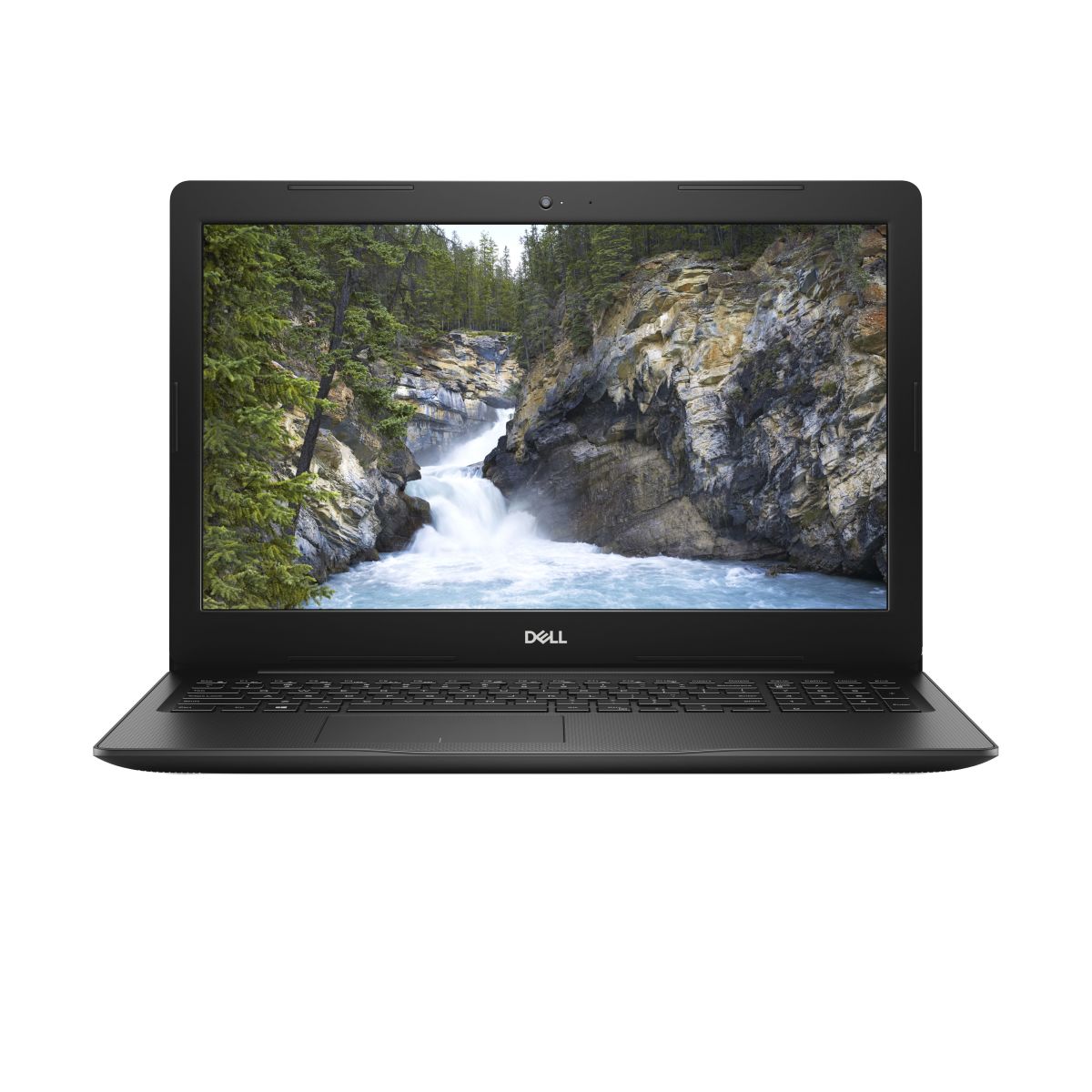


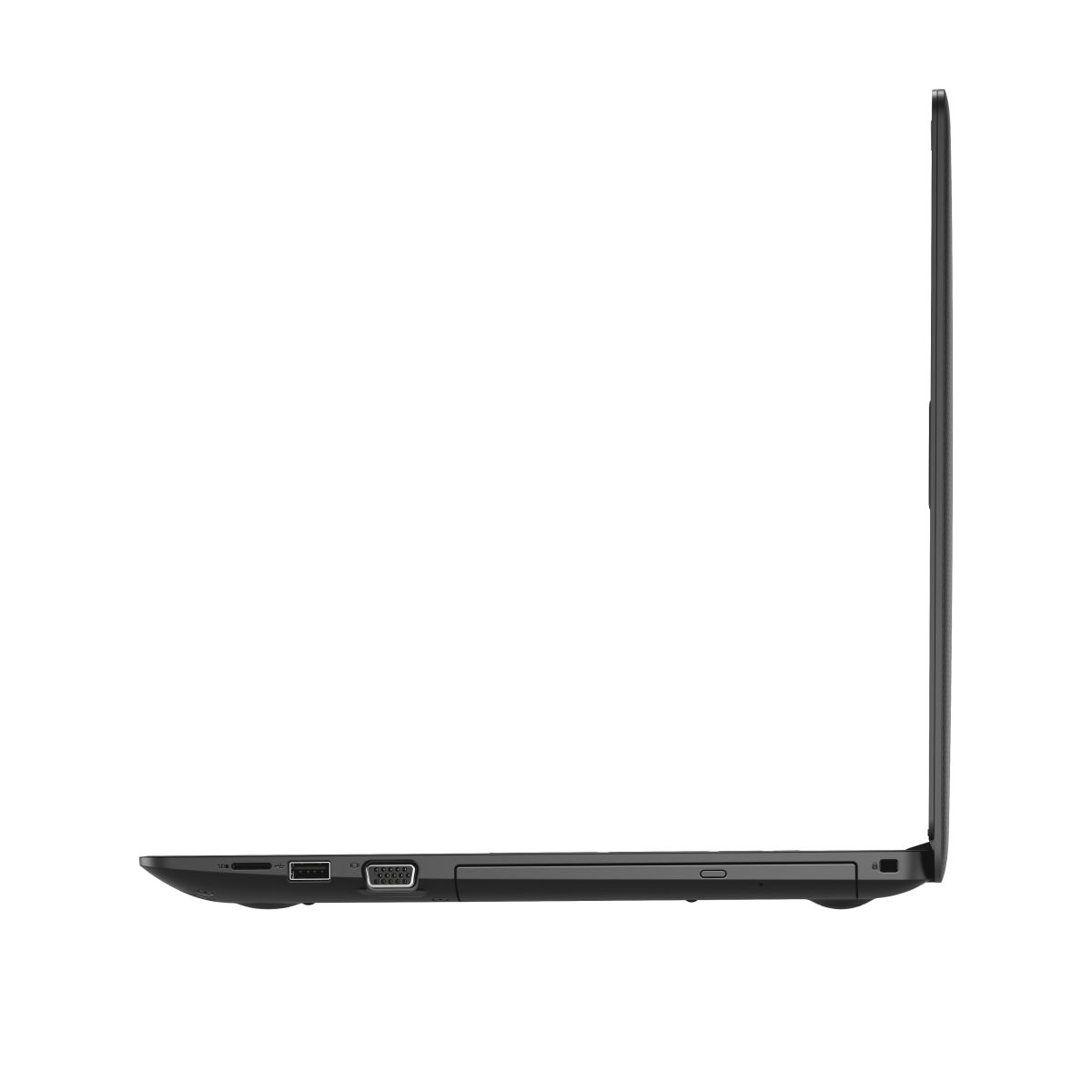
The DELL Vostro 3000 Series 3581 laptop features DDR4-SDRAM memory upgrade specifications with dual SO-DIMM slots supporting a maximum RAM capacity of 16 GB. Compatible memory modules operate at 2666 MHz frequency and utilize the SO-DIMM form factor. Upgrade configurations enable users to expand the laptop's memory capacity by installing additional DDR4 modules into available slots, subject to the maximum specification limitations.
Memory Upgrade Specifications
| Specification | Value |
|---|---|
| Memory slots | 2x SO-DIMM |
| Form factor | SO-DIMM |
| Memory type | DDR4-SDRAM |
| Frequency | 2666 MHz |
| Maximum RAM | 16 GB |
| Voltage | 1.2V |
| Number of pins | 260-pin |
| Interface | PC4 |
| PC Speed Rating | PC4-2666 (PC4-21328) |
| Bandwidth | 21.3 GB/s |
| Laptop Release date | 20 February 2019 |
Additional Notes
- The Dell Vostro 3581 chipset limits total memory to 16 GB regardless of module configuration, meaning two 8 GB modules represent the maximum addressable capacity.
- DDR4-2666 operates at PC4-21300 bandwidth standard, delivering 21.3 GB/s theoretical throughput per channel in dual-channel mode.
- Mixing modules with different speeds will force all installed memory to operate at the frequency of the slowest module, potentially downclocking DDR4-3200 modules to 2666 MHz.
- SO-DIMM 260-pin physical standard excludes compatibility with standard desktop DIMM modules despite identical DDR4 voltage specifications.
- Dual-channel memory architecture requires matched module installation in both slots to achieve full bandwidth utilization, otherwise defaulting to single-channel mode.
- Non-ECC unbuffered memory modules are required, as registered or ECC variants will not initialize in consumer-grade mobile chipsets.
- CAS latency specifications (CL19, CL17, CL15) affect real-world access timing, with lower values providing marginally reduced latency at identical frequencies.
- Operating voltage must conform to DDR4 standard 1.2V specification, as the mobile platform lacks voltage adjustment capabilities for overclocking profiles.
- Manufacturer-sealed bottom panel access typically requires removal of multiple screws and potential warranty seal breakage depending on regional service policies.
- Single module configurations halve available memory bandwidth compared to dual-channel setup, impacting integrated graphics performance more significantly than CPU operations.