DELL Vostro 3590 RAM upgrade specifications
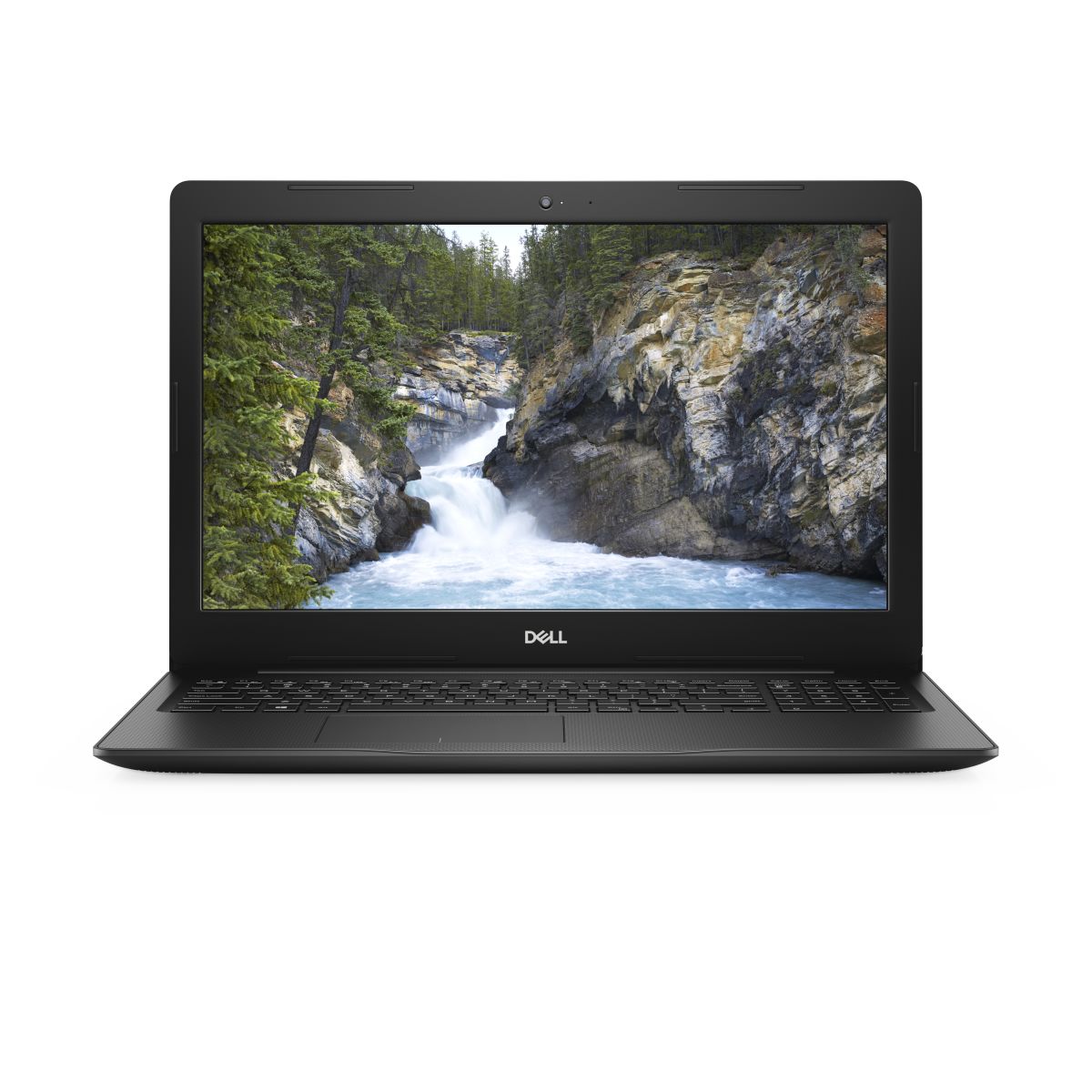
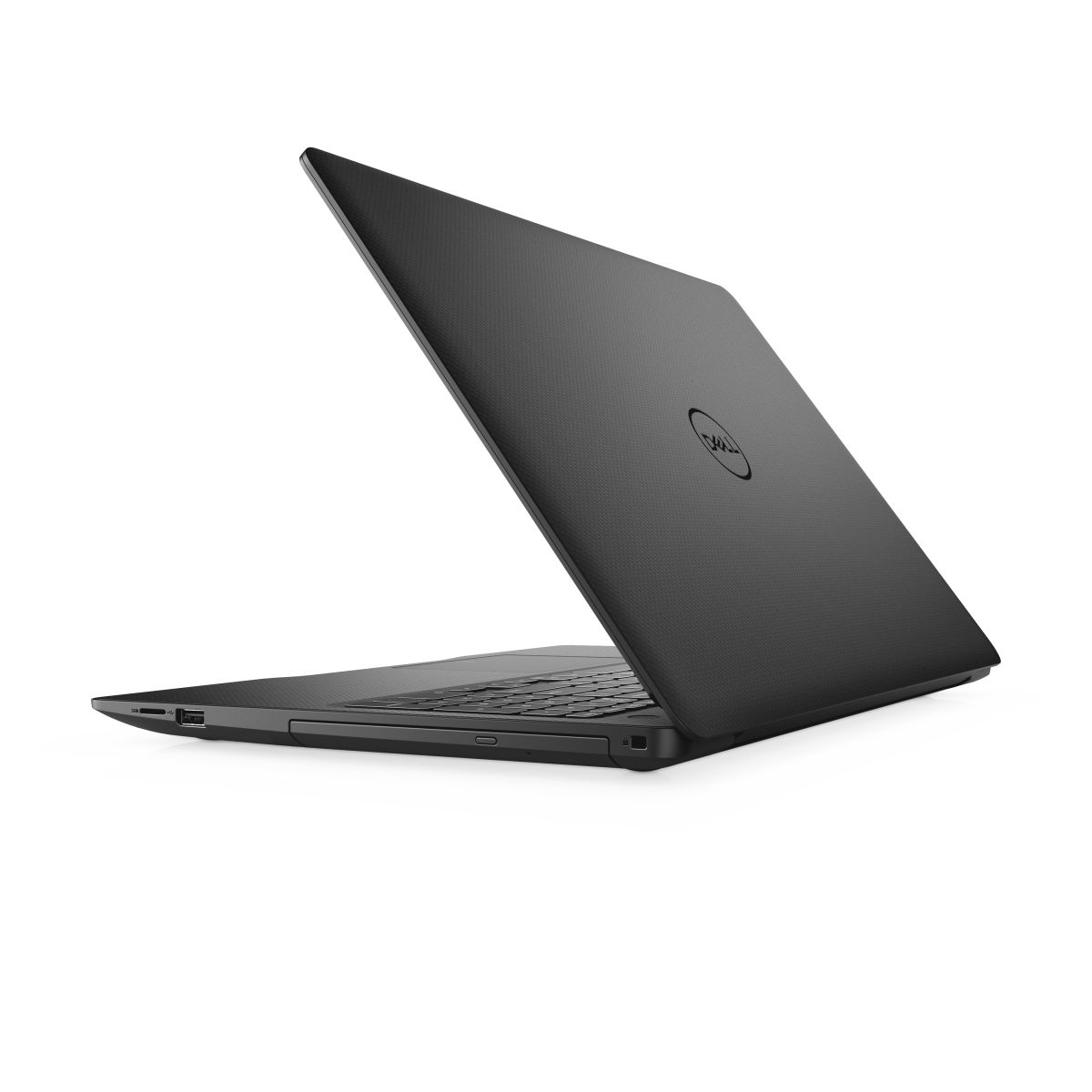
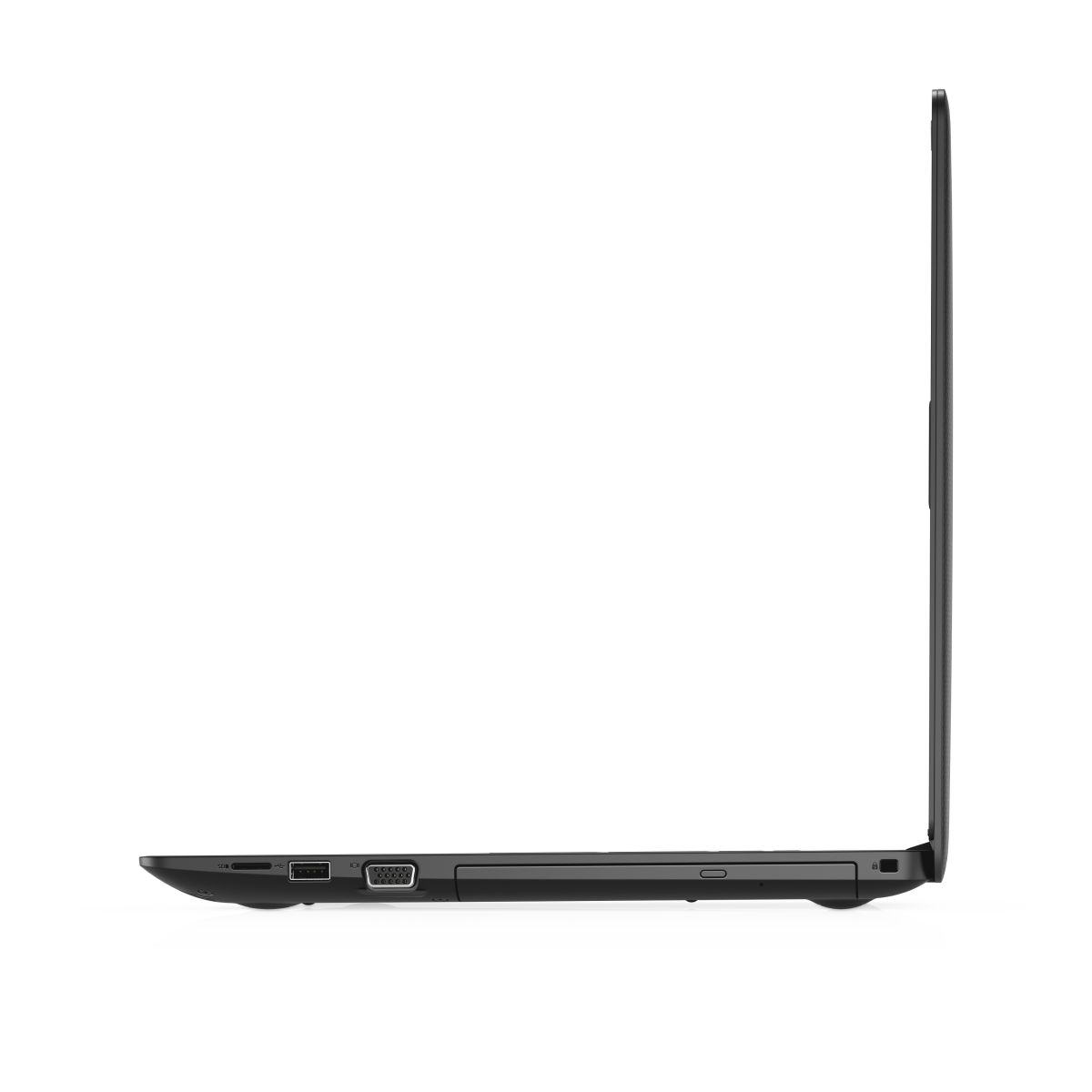
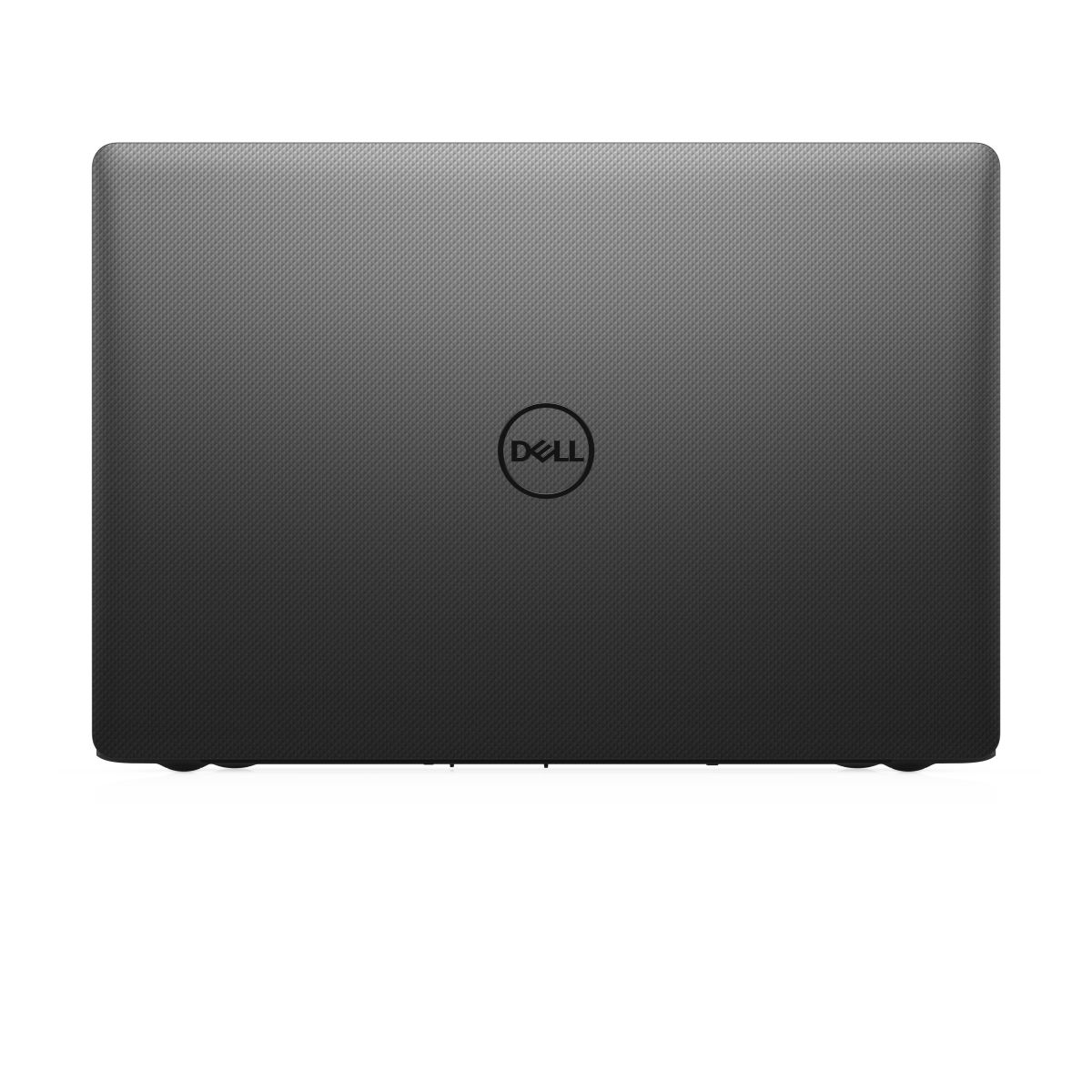
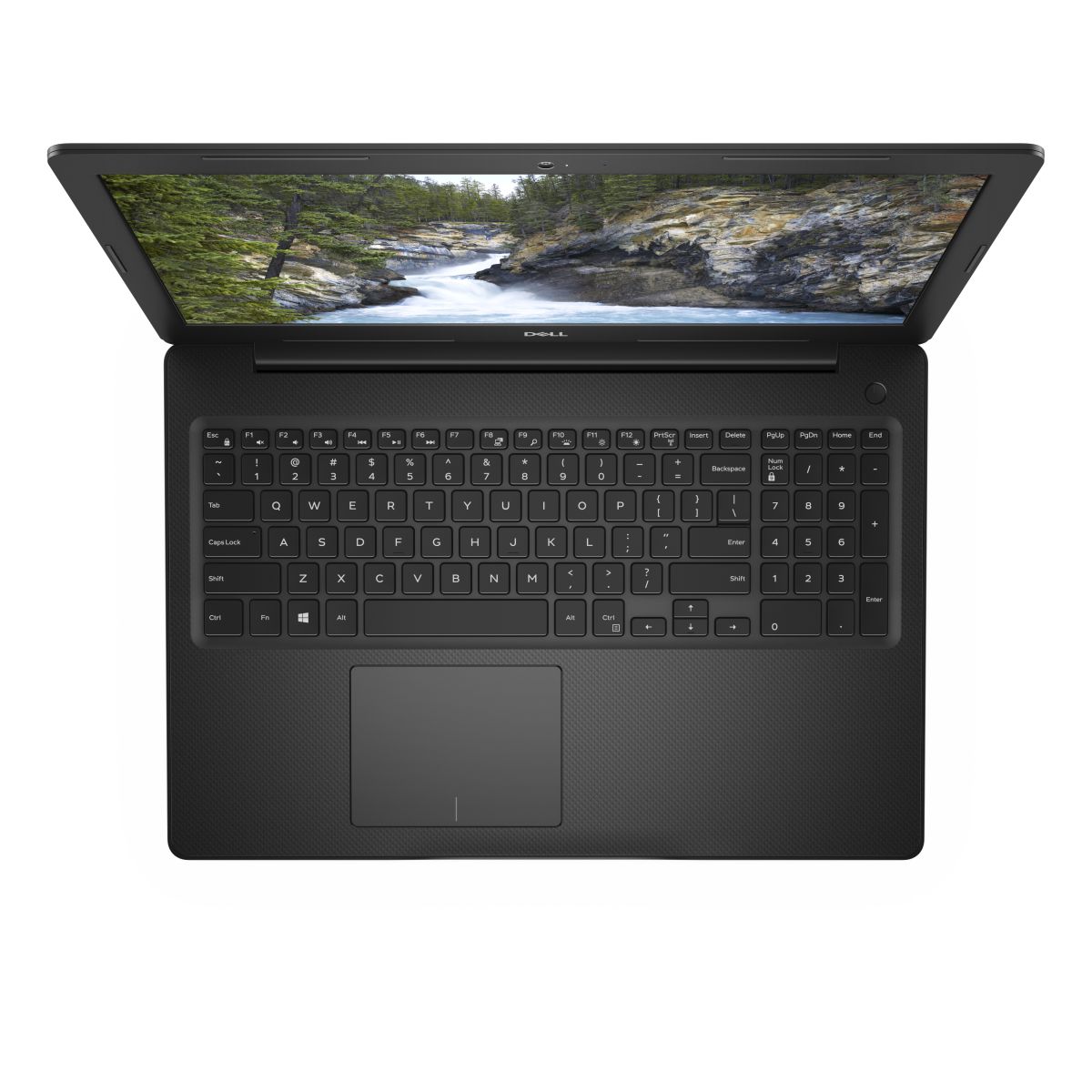
The DELL Vostro 3590 laptop features DDR4-SDRAM memory upgrade specifications with 2x SO-DIMM slots supporting a maximum RAM capacity of 16 GB. Compatible memory modules operate at 2666 MHz frequency with SO-DIMM form factor. The upgrade specifications enable users to expand the system memory from the baseline configuration up to the maximum supported capacity of 16 GB total. Memory modules must meet the DDR4-SDRAM standard and SO-DIMM physical specifications for compatibility with this DELL Vostro 3000 series model.
Memory Upgrade Specifications
| Specification | Value |
|---|---|
| Memory slots | 2x SO-DIMM |
| Form factor | SO-DIMM |
| Memory type | DDR4-SDRAM |
| Frequency | 2666 MHz |
| Maximum RAM | 16 GB |
| Voltage | 1.2V |
| Number of pins | 260-pin |
| Interface | PC4 |
| PC Speed Rating | PC4-2666 (PC4-21328) |
| Bandwidth | 21.3 GB/s |
| Laptop Release date | 30 October 2019 |
Additional Notes
- The Dell Vostro 3590 contains 2 memory slots with a 16 GB aggregate ceiling, meaning maximum single-module capacity is 8 GB per slot regardless of future DDR4 density improvements.
- DDR4-2666 MHz frequency represents the certified maximum supported speed; installing faster DDR4 modules (3200 MHz or higher) will automatically downclock to 2666 MHz, providing no performance benefit while potentially affecting stability if the BIOS lacks comprehensive XMP/DOCP profile support.
- SO-DIMM form factor restricts upgrades to laptop-specific modules only; standard desktop DDR4 UDIMMs are physically incompatible and will not seat in the available slots.
- Upgrading from a single module to dual-channel configuration (if currently populated with 1 stick) will increase memory bandwidth throughput by approximately 100 percent, directly benefiting multitasking and virtualization workloads.
- The 16 GB maximum capacity may create a performance plateau for memory-intensive applications such as video editing, 3D rendering, or large dataset processing; workloads exceeding 12 GB consistently would saturate available headroom within 6 months of typical usage escalation.
- SO-DIMM modules generate less heat dissipation than UDIMMs and operate within narrower thermal margins; low-profile heatspreaders reduce thermal interference but may limit compatibility with certain aftermarket coolers if future thermal management upgrades are considered.
- Warranty retention typically permits end-user memory module replacement without manufacturer authorization, provided installation follows anti-static discharge protocols and does not involve BIOS modification or non-standard hardware combinations.