DELL Vostro 5581 RAM upgrade specifications


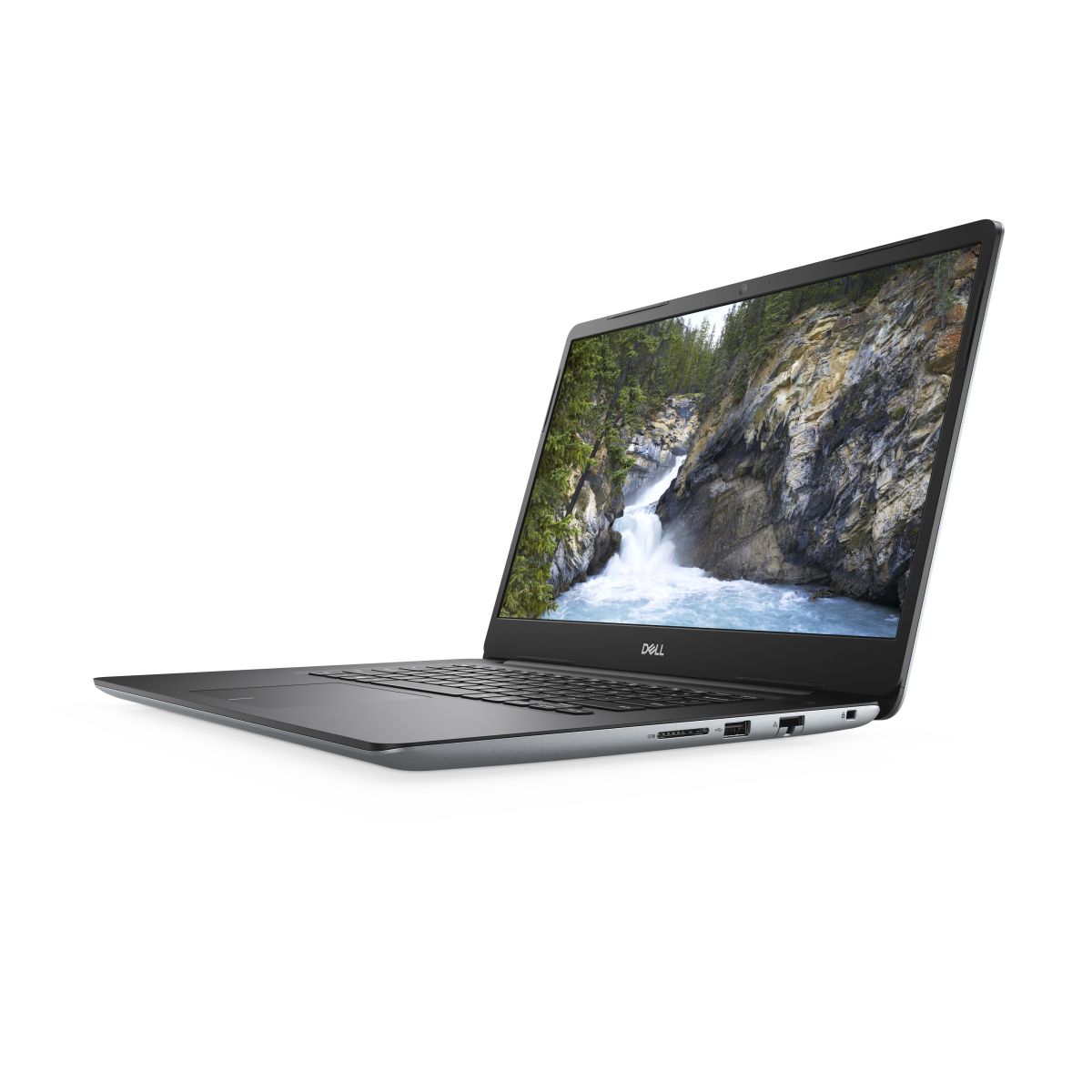

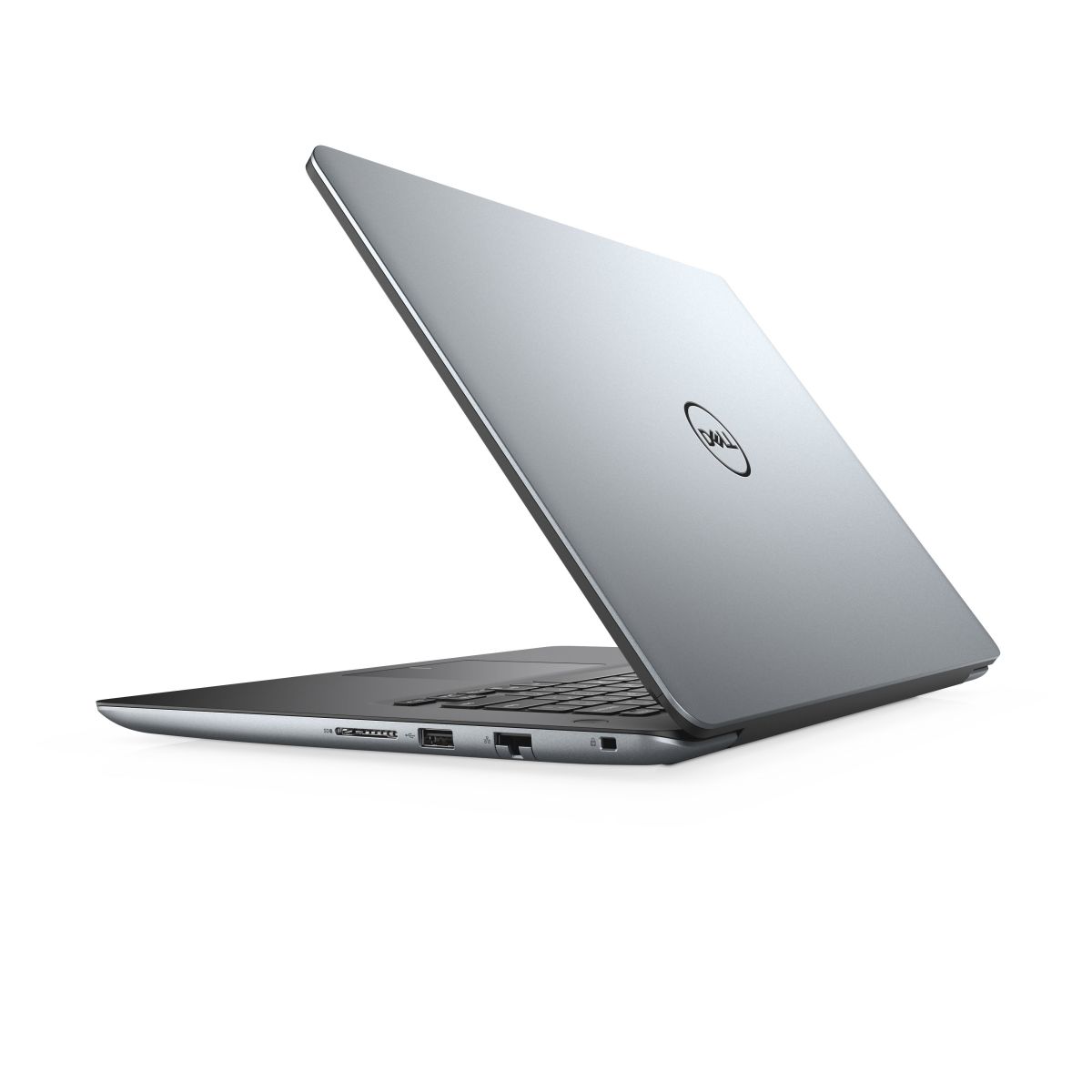
The DELL Vostro 5000 Series 5581 laptop features two SO-DIMM memory slots supporting DDR4-SDRAM upgrades. The memory upgrade specifications allow a maximum RAM capacity of 32 GB. Compatible memory modules operate at 2666 MHz frequency. The SO-DIMM form factor indicates standard laptop memory compatibility. Current and future RAM upgrades to this model must adhere to these memory specifications and slot limitations for proper system functionality and performance.
Memory Upgrade Specifications
| Specification | Value |
|---|---|
| Memory slots | 2x SO-DIMM |
| Form factor | SO-DIMM |
| Memory type | DDR4-SDRAM |
| Frequency | 2666 MHz |
| Maximum RAM | 32 GB |
| Voltage | 1.2V |
| Number of pins | 260-pin |
| Interface | PC4 |
| PC Speed Rating | PC4-2666 (PC4-21328) |
| Bandwidth | 21.3 GB/s |
| Laptop Release date | 07 February 2019 |
Additional Notes
- The DELL Vostro 5581 requires Small Outline Dual Inline Memory Modules, which are physically smaller than standard desktop DIMMs and cannot be interchanged with full-size components.
- DDR4-SDRAM operates at a lower voltage (1.2V) compared to older DDR3 standards, preventing backward compatibility with previous generation modules regardless of physical form factor matching.
- Both memory channels must be populated with identical capacity modules to enable dual-channel operation, which doubles effective bandwidth compared to single-channel configurations.
- The 2666 MHz specification represents the maximum supported frequency, meaning faster modules will automatically downclock to this speed through SPD profile selection.
- Installing a single 32 GB module would sacrifice approximately 50% of memory bandwidth compared to using two 16 GB modules in dual-channel mode.
- The chipset enforces a 32 GB total capacity limit regardless of individual module densities, making configurations with 2x 32 GB modules incompatible even if physically installable.
- Non-ECC unbuffered memory is required, as registered or error-correcting modules will not initialize properly in consumer-grade chipsets designed for this platform.
- Mixing modules with different latency timings will force all installed memory to operate at the slowest common timings, potentially reducing overall system responsiveness.
- Accessing memory slots typically requires bottom panel removal and may involve battery disconnection to prevent electrical damage during installation.
- Third-party modules must comply with JEDEC DDR4 standards to ensure proper voltage regulation and thermal parameters within the manufacturer's design specifications.