DELL Vostro 5510 RAM upgrade specifications
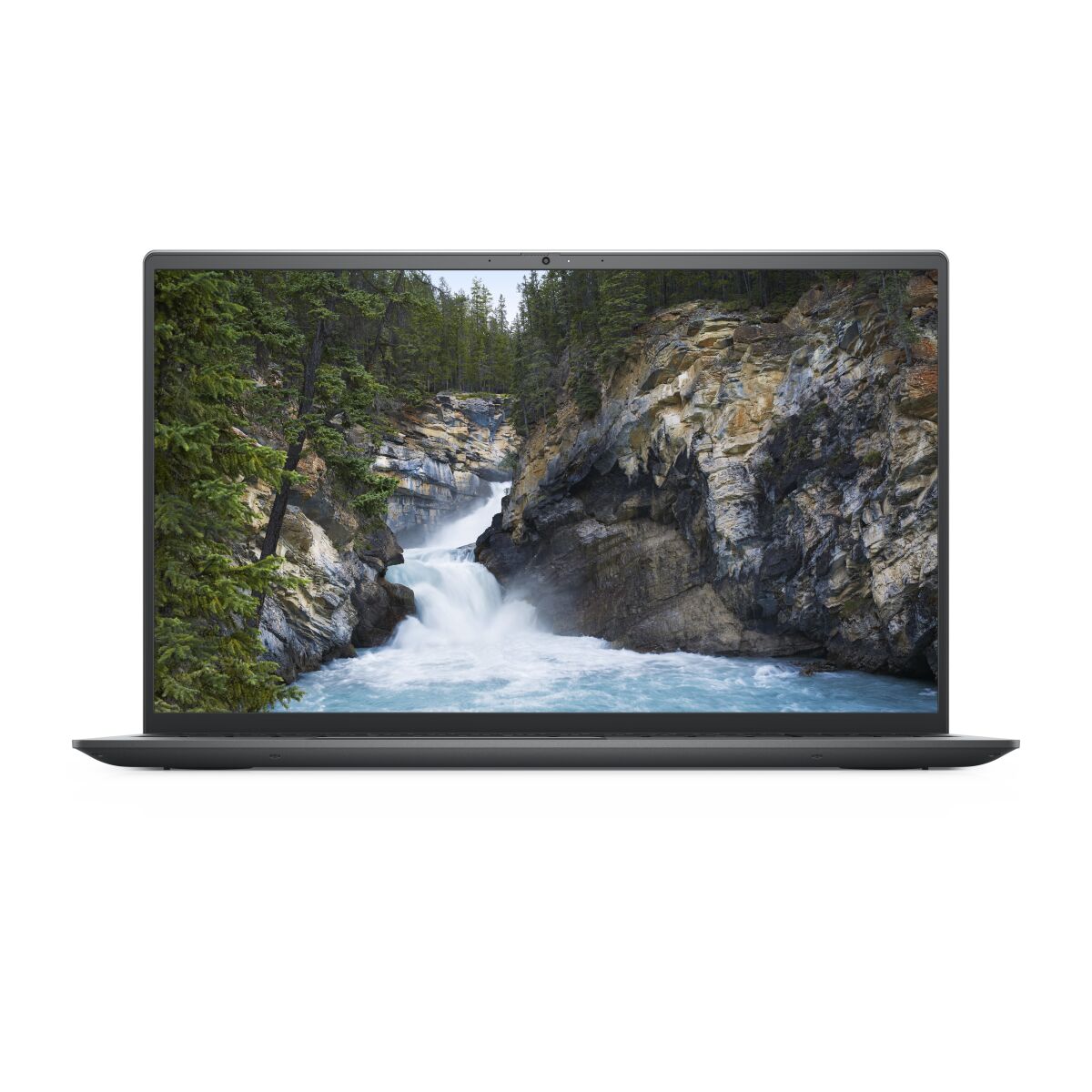
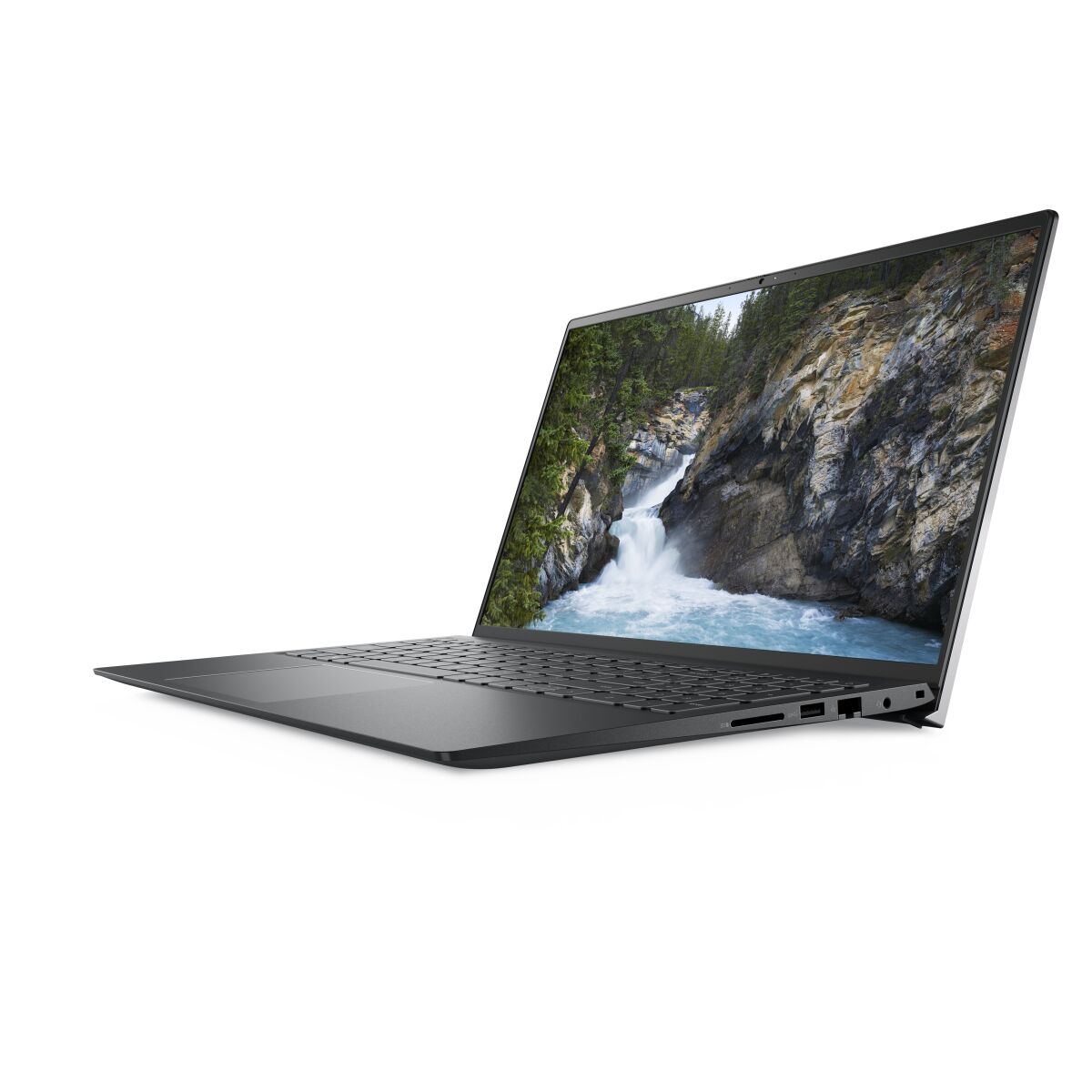
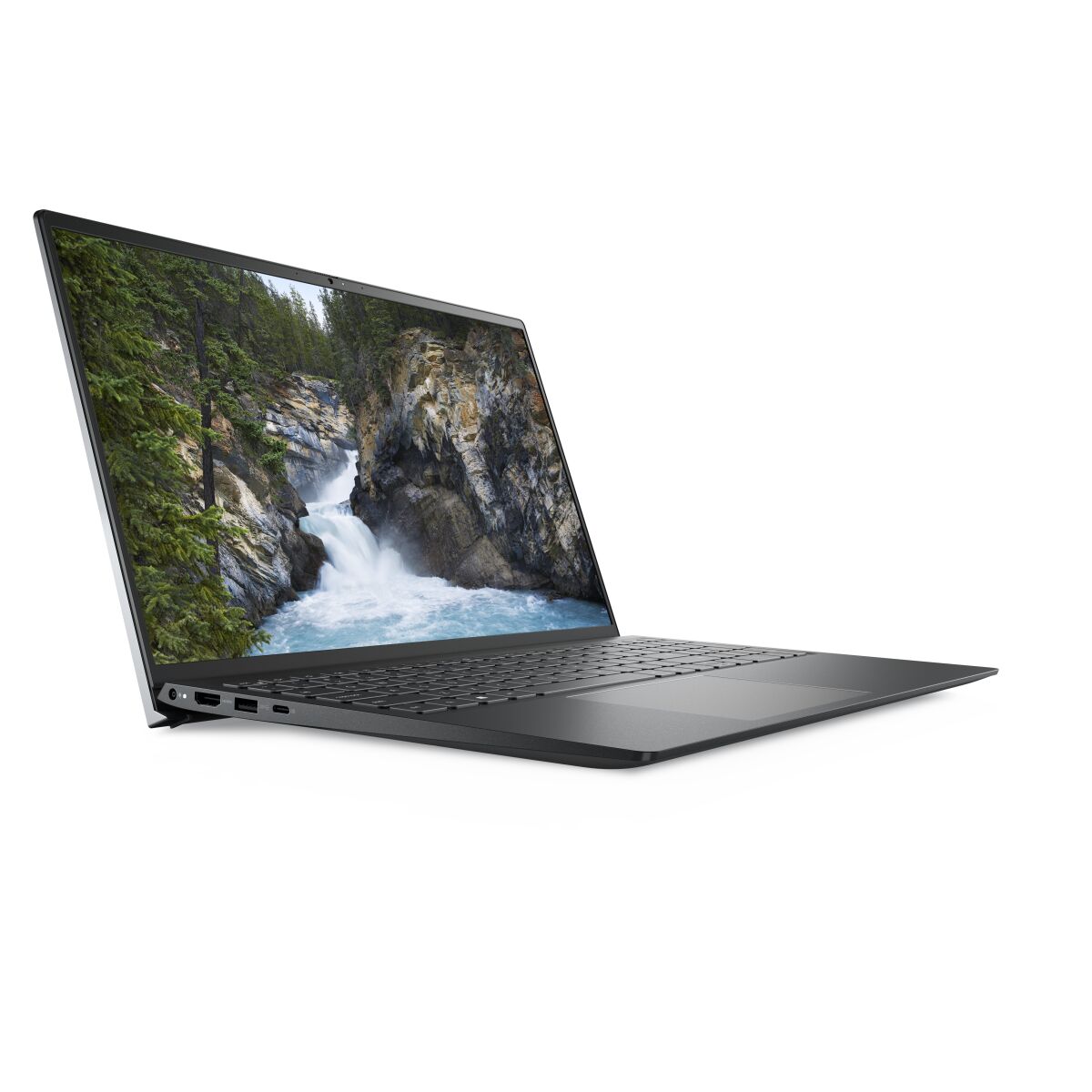
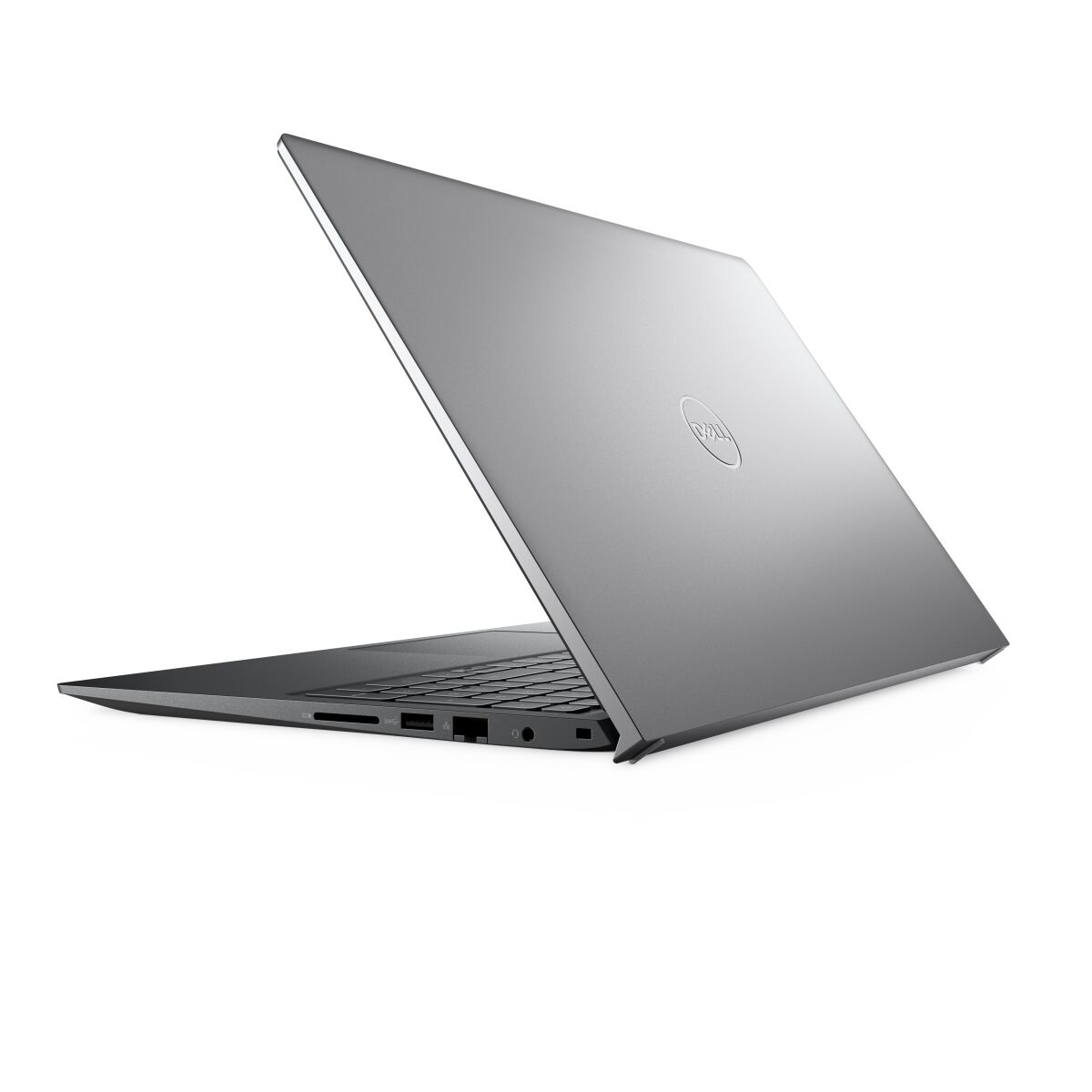
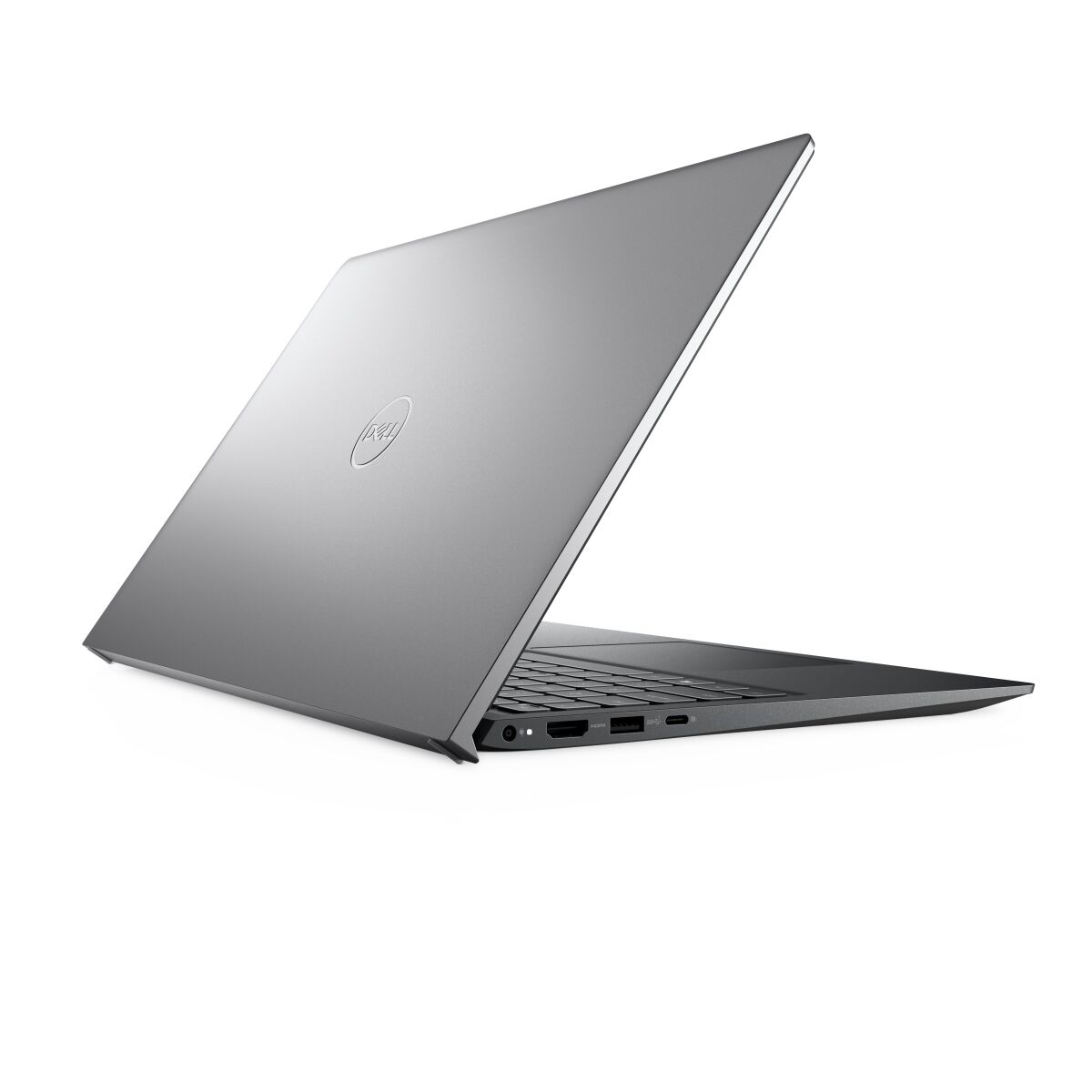
Dell Vostro 5510 laptop supports memory upgrades through two SO-DIMM slots. The system is compatible with DDR4-SDRAM memory modules operating at 3200 MHz frequency. Maximum RAM capacity reaches 32 GB total when both memory slots are populated. Upgrade specifications indicate SO-DIMM form factor compatibility for replacement or expansion of existing memory modules within the Dell Vostro 5000 series 5510 model.
Memory Upgrade Specifications
| Specification | Value |
|---|---|
| Memory slots | 2x SO-DIMM |
| Form factor | SO-DIMM |
| Memory type | DDR4-SDRAM |
| Frequency | 3200 MHz |
| Maximum RAM | 32 GB |
| Voltage | 1.2V |
| Number of pins | 260-pin |
| Interface | PC4 |
| PC Speed Rating | PC4-3200 (PC4-25600) |
| Bandwidth | 25.6 GB/s |
| Laptop Release date | 19 April 2021 |
Additional Notes
- The Dell Vostro 5510 accommodates memory modules exclusively in SO-DIMM form factor, which restricts upgrades to laptop-specific modules rather than standard desktop DDR4 sticks, limiting sourcing options and typically increasing per-gigabyte costs.
- With 2 slots supporting up to 32 GB total capacity, asymmetrical configurations (such as 8 GB and 16 GB modules) remain functional but operate at the speed of the slower module, potentially reducing effective bandwidth to 3200 MHz performance levels.
- The 3200 MHz specification indicates DDR4 compliance at JEDEC standard speeds; third-party modules rated at higher frequencies (3600 MHz or above) will downclock to 3200 MHz within this platform, eliminating any performance gains from premium-speed memory.
- Dual-channel memory architecture requires matching module populations across both SO-DIMM slots to activate dual-channel throughput; operating with a single populated slot forces single-channel operation, halving theoretical bandwidth regardless of module capacity.
- Warranty preservation depends on using only DDR4-3200 SO-DIMM modules meeting Dell's qualified vendor list; non-listed third-party memory may trigger support exclusions despite technical compatibility with the form factor and speed specification.
- The 32 GB ceiling constraint (16 GB maximum per slot) eliminates future scalability beyond this point; systems deployed with maximum capacity cannot leverage subsequent memory density advances without complete module replacement.