DELL Vostro 7510 RAM upgrade specifications
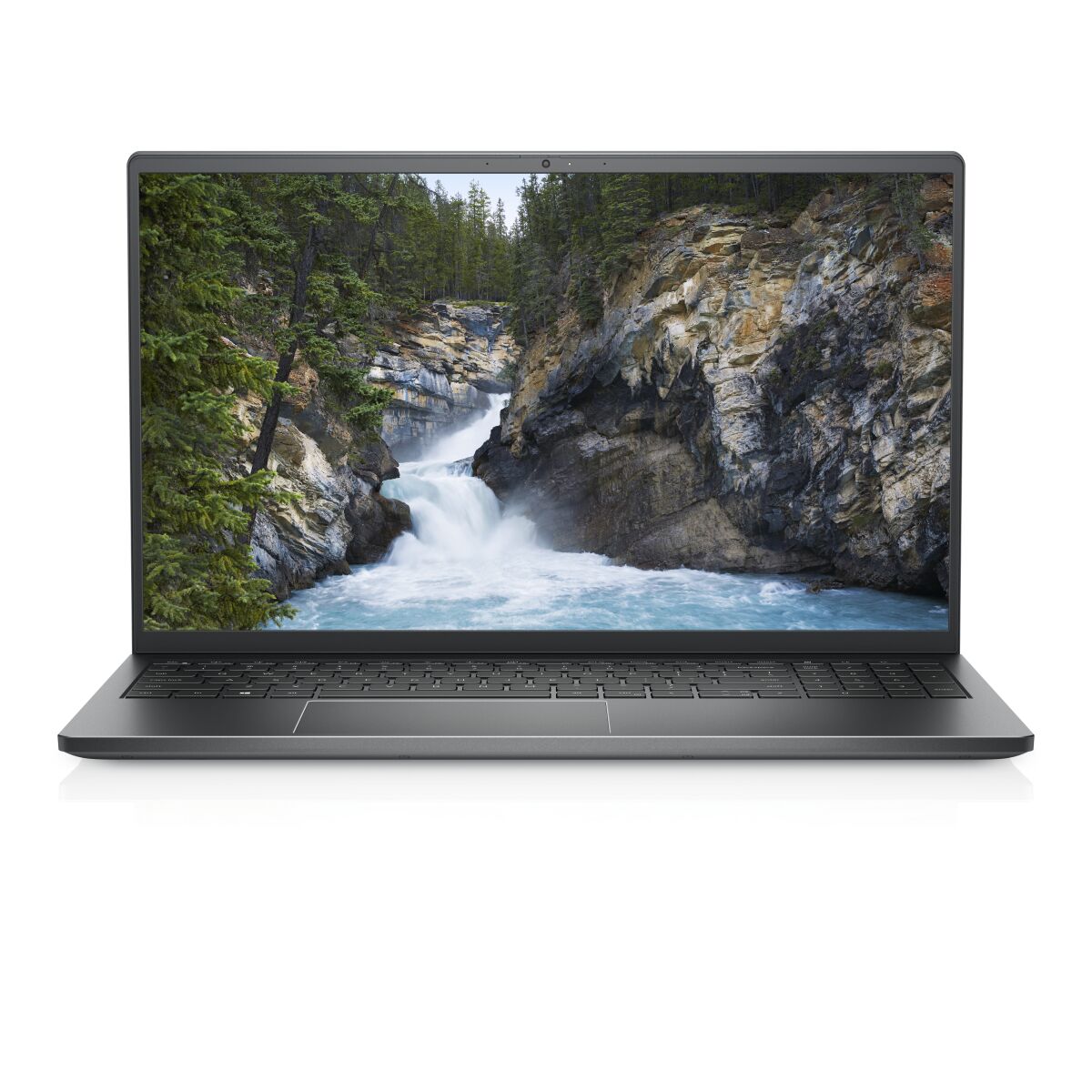
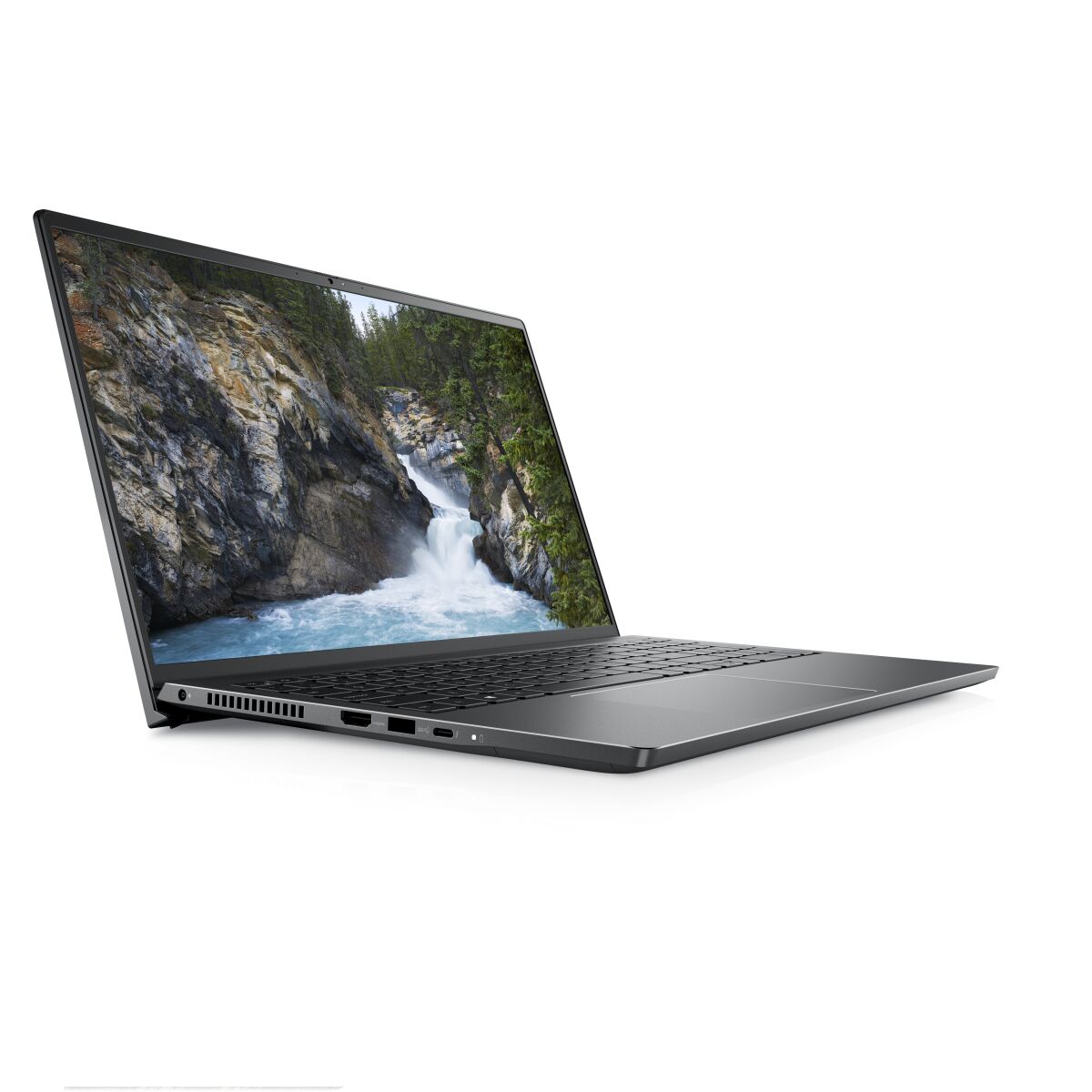
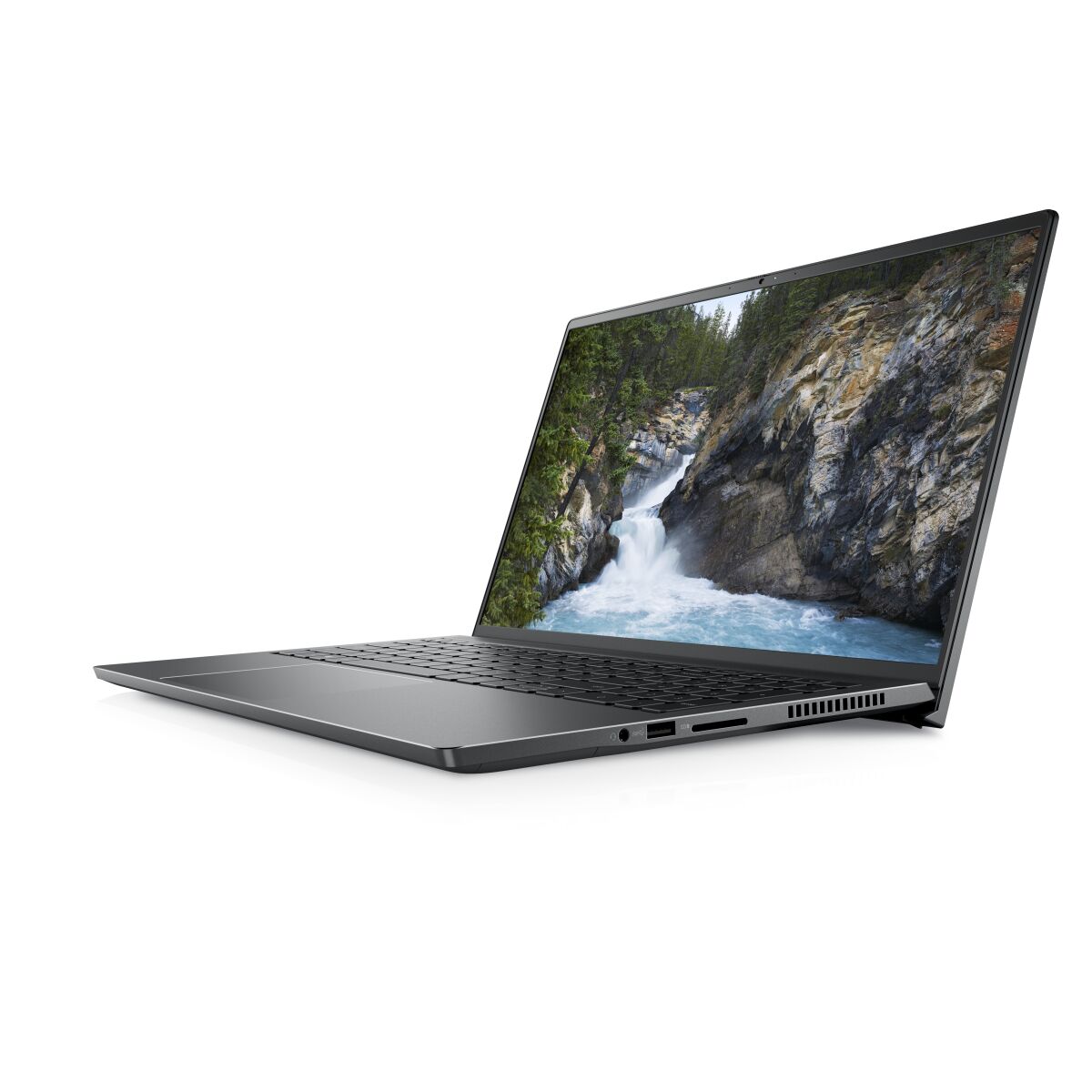
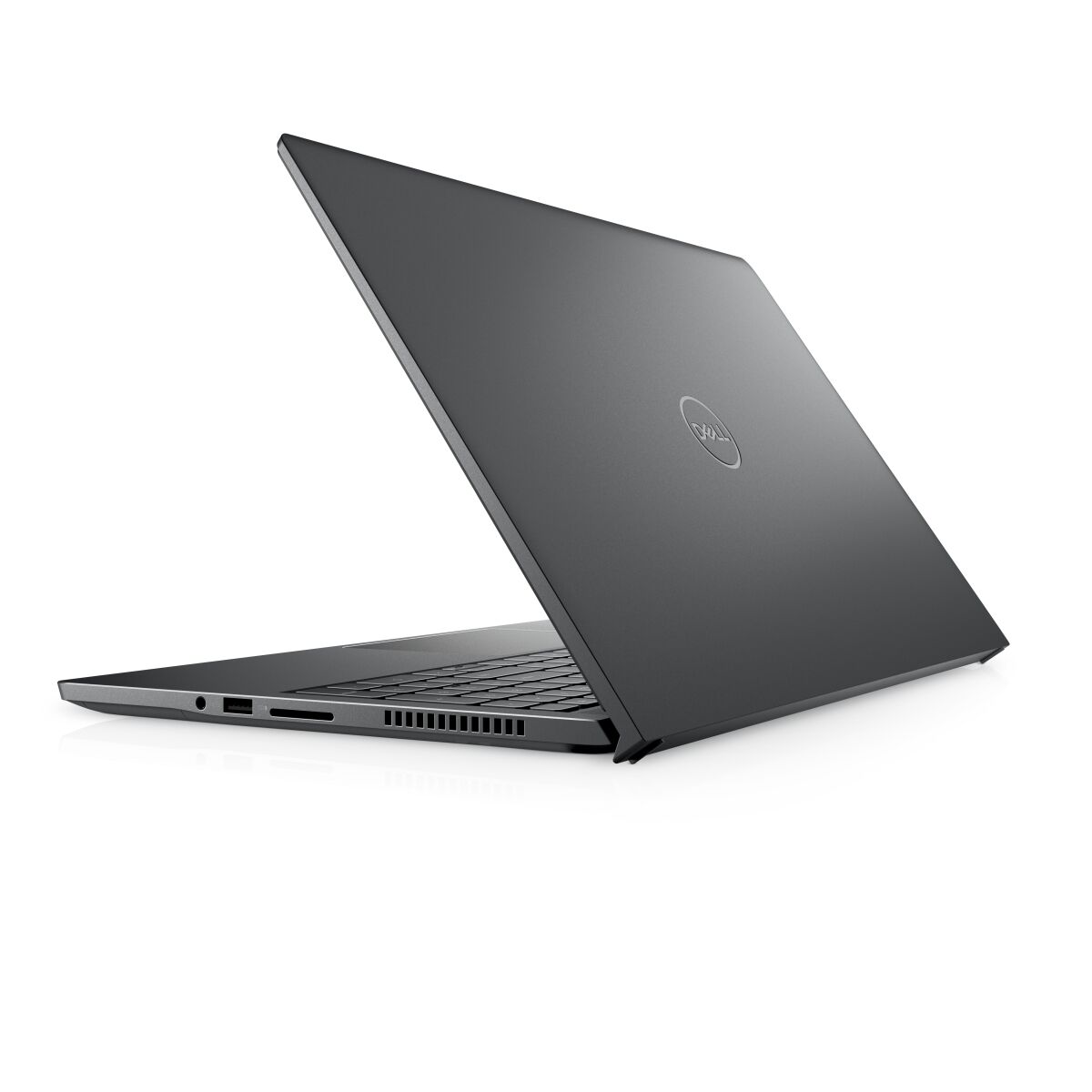
The DELL Vostro 7000 Series 7510 laptop features two SO-DIMM memory slots supporting DDR4-SDRAM upgrades at 3200 MHz frequency. The device accommodates a maximum RAM capacity of 32 GB, enabling users to expand memory specifications from factory configurations. Compatible upgrades utilize SO-DIMM form factor modules, allowing flexible memory expansion for enhanced multitasking performance and system responsiveness on the Vostro 7510 model.
Memory Upgrade Specifications
| Specification | Value |
|---|---|
| Memory slots | 2x SO-DIMM |
| Form factor | SO-DIMM |
| Memory type | DDR4-SDRAM |
| Frequency | 3200 MHz |
| Maximum RAM | 32 GB |
| Voltage | 1.2V |
| Number of pins | 260-pin |
| Interface | PC4 |
| PC Speed Rating | PC4-3200 (PC4-25600) |
| Bandwidth | 25.6 GB/s |
| Laptop Release date | 08 July 2021 |
Additional Notes
- The Dell Vostro 7510 accommodates a maximum of 32 GB total capacity across 2 slots, meaning each SO-DIMM module can support up to 16 GB individually for full population.
- DDR4-3200 MHz memory operates at a fixed frequency tier; mixing modules of lower speeds (2400, 2666, 2933 MHz) will downclock the entire subsystem to the slowest module's rate, reducing effective bandwidth.
- SO-DIMM form factor constrains physical upgrade options to laptop-specific modules only; desktop DDR4 DIMMs are mechanially incompatible and will not seat in the available slots.
- Dual-slot architecture creates no redundancy; loss of either module results in complete system instability, requiring both slots to remain populated for operation.
- SO-DIMM modules generate higher power density and thermal output than desktop equivalents due to compact design, potentially affecting passive cooling performance under sustained workloads if maximum capacity is installed.
- Factory memory configuration cannot be determined from specifications alone; upgrading requires verification of existing module capacity and speed to avoid mismatched pairing, which may trigger firmware throttling.
- Standard warranty coverage typically excludes user-installed components; verifying manufacturer guidance before installation is necessary to preserve service eligibility for memory-related failures.