DELL Vostro 7570 RAM upgrade specifications

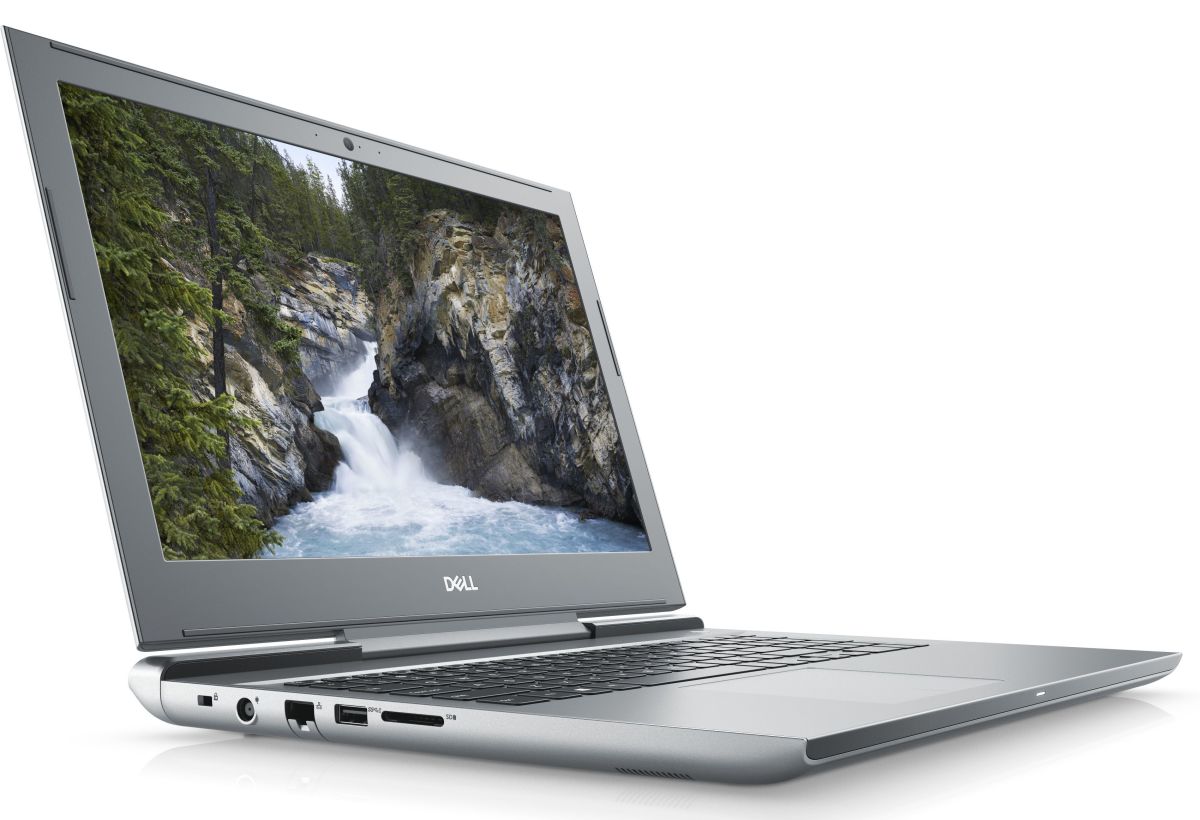
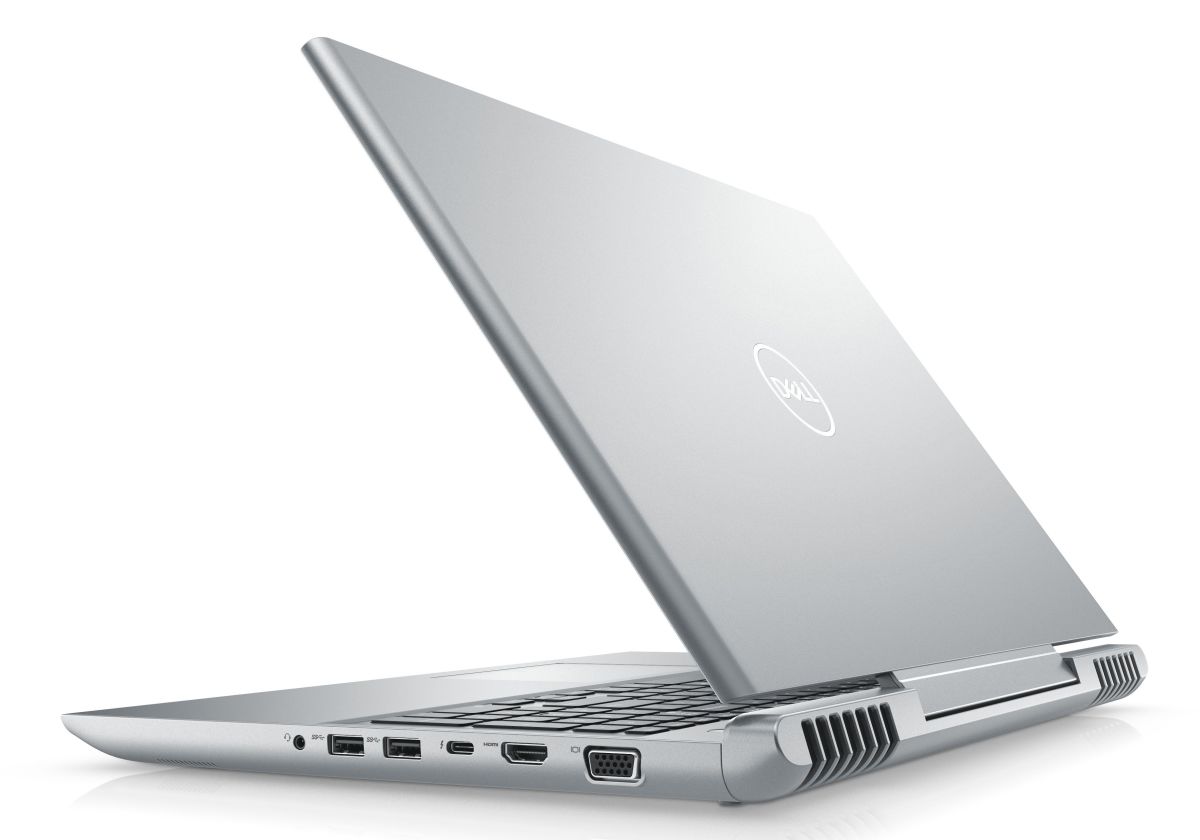
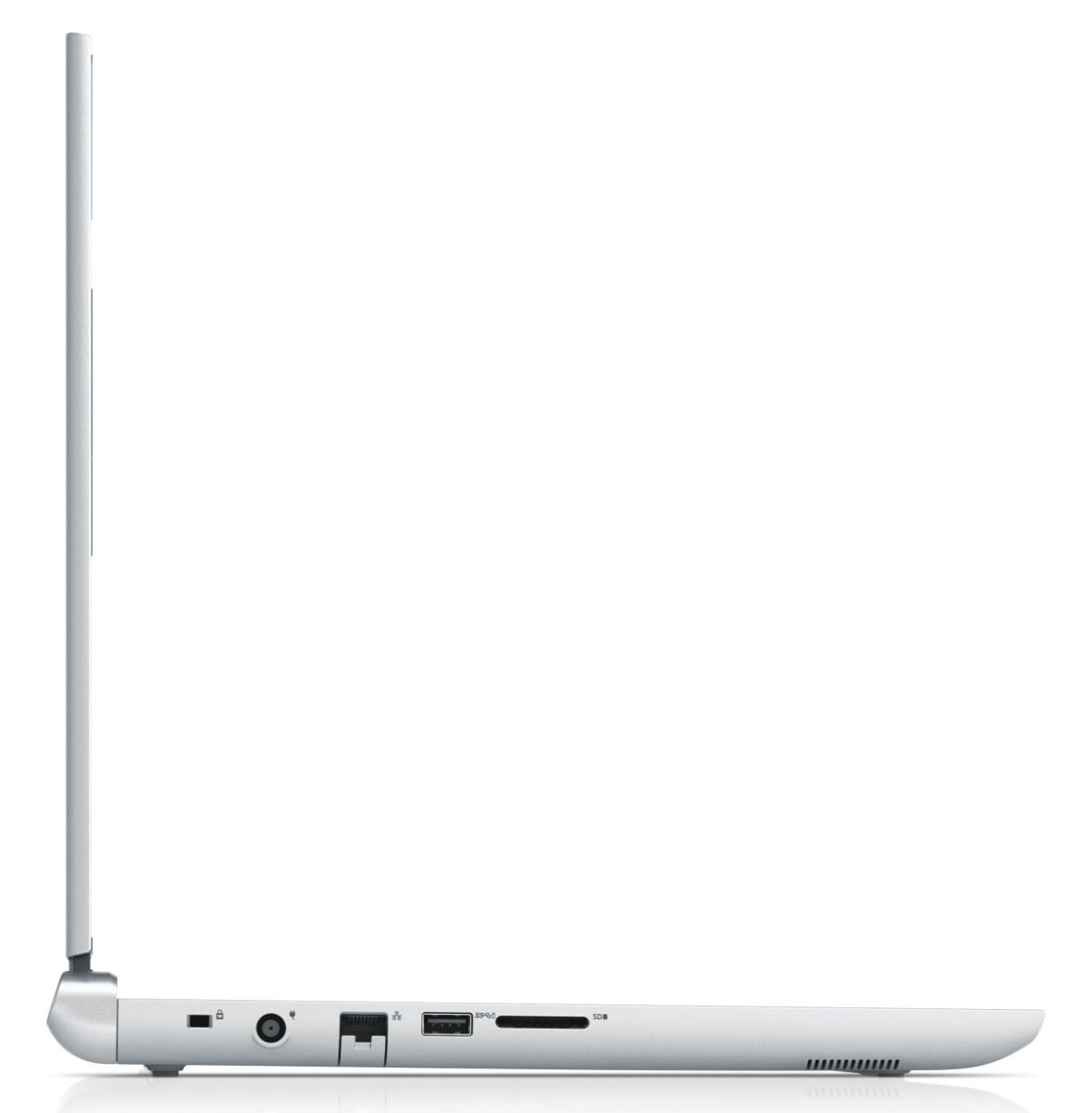
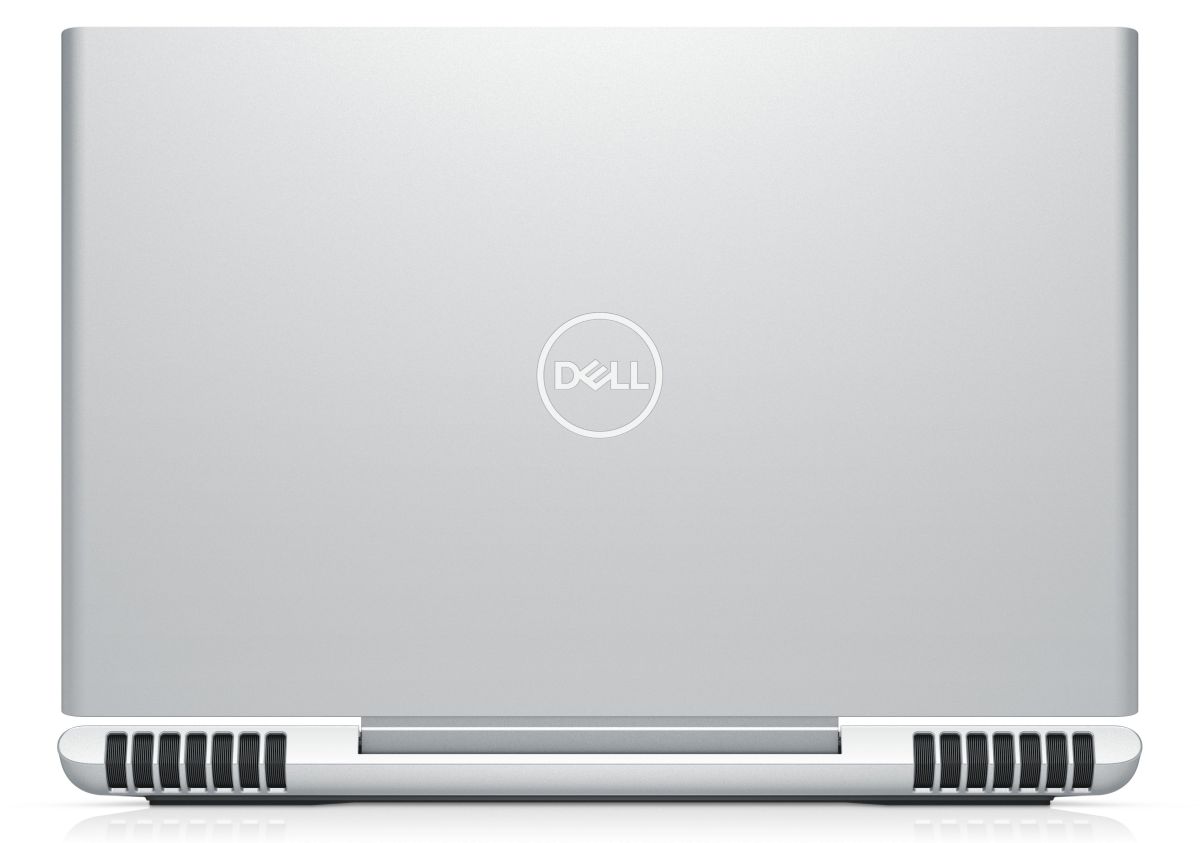
Dell Vostro 7000 Series 7570 laptop supports DDR4-SDRAM memory upgrades via 2x SO-DIMM slots. Maximum RAM capacity reaches 32 GB total. Compatible memory modules operate at 2400 MHz frequency with SO-DIMM form factor. Specifications enable users to upgrade from factory-installed memory configurations to support enhanced multitasking and application performance requirements.
Memory Upgrade Specifications
| Specification | Value |
|---|---|
| Memory slots | 2x SO-DIMM |
| Form factor | SO-DIMM |
| Memory type | DDR4-SDRAM |
| Frequency | 2400 MHz |
| Maximum RAM | 32 GB |
| Voltage | 1.2V |
| Number of pins | 260-pin |
| Interface | PC4 |
| PC Speed Rating | PC4-2400 (PC4-19200) |
| Bandwidth | 19.2 GB/s |
| Laptop Release date | 24 January 2018 |
Additional Notes
- The 2 SO-DIMM slot configuration limits maximum capacity to 2 modules, requiring matched 16 GB modules to reach the 32 GB ceiling.
- DDR4-2400 operates at a lower bandwidth than DDR4-2666 or DDR4-3200, delivering approximately 19.2 GB/s per channel versus 21.3 GB/s or 25.6 GB/s respectively.
- Mixing modules with different speeds will force all installed memory to operate at the frequency of the slowest module, potentially downclocking faster DDR4-2666 modules to 2400 MHz.
- The SO-DIMM form factor excludes standard DIMM desktop memory modules, which are physically incompatible despite sharing DDR4 voltage specifications.
- Memory voltage must conform to standard DDR4 specifications at 1.2V, as laptop motherboards typically lack voltage adjustment capabilities found in desktop systems.
- Single-channel configuration with only 1 occupied slot reduces memory bandwidth by approximately 50 percent compared to dual-channel operation with both slots populated.
- The 32 GB maximum suggests a memory controller limitation or motherboard trace design constraint, preventing recognition of higher-density modules even if physically installed.
- Non-ECC unbuffered modules are required, as SO-DIMM slots in consumer Vostro systems lack support for error-correcting code or registered memory architectures.
- CAS latency variations between modules rated at identical 2400 MHz speeds can introduce stability issues, favoring matched kits from a single manufacturer.
- Thermal constraints in the laptop chassis may prevent sustained operation at maximum memory frequency under combined CPU and RAM load conditions.
- Warranty preservation requires avoiding physical damage to retention clips during module installation, as SO-DIMM slots use fragile plastic ejector mechanisms.
- The DDR4 generation prevents backward compatibility with DDR3L SO-DIMM modules despite similar physical dimensions, due to notch repositioning and voltage incompatibility.