DELL XPS 9500 RAM upgrade specifications

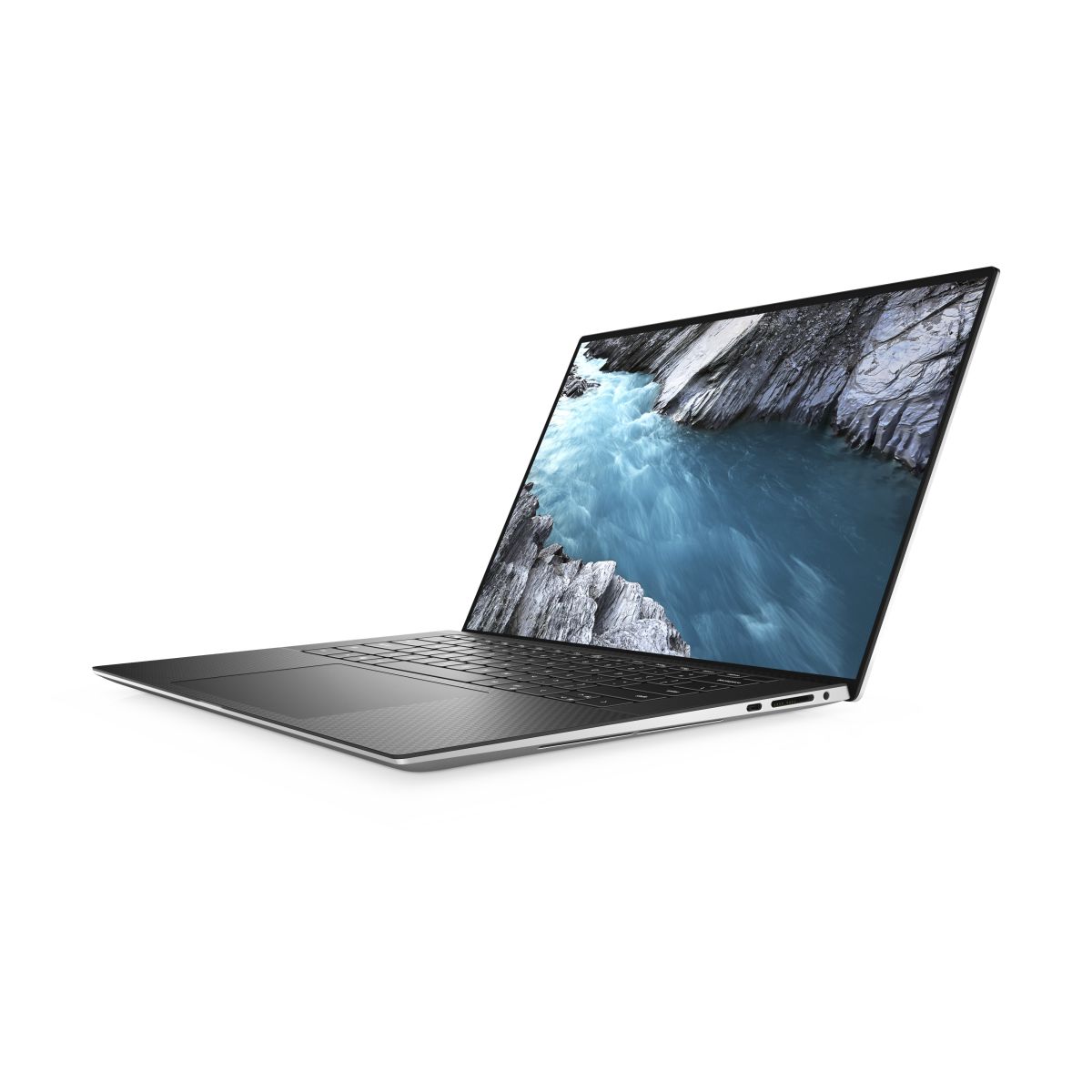
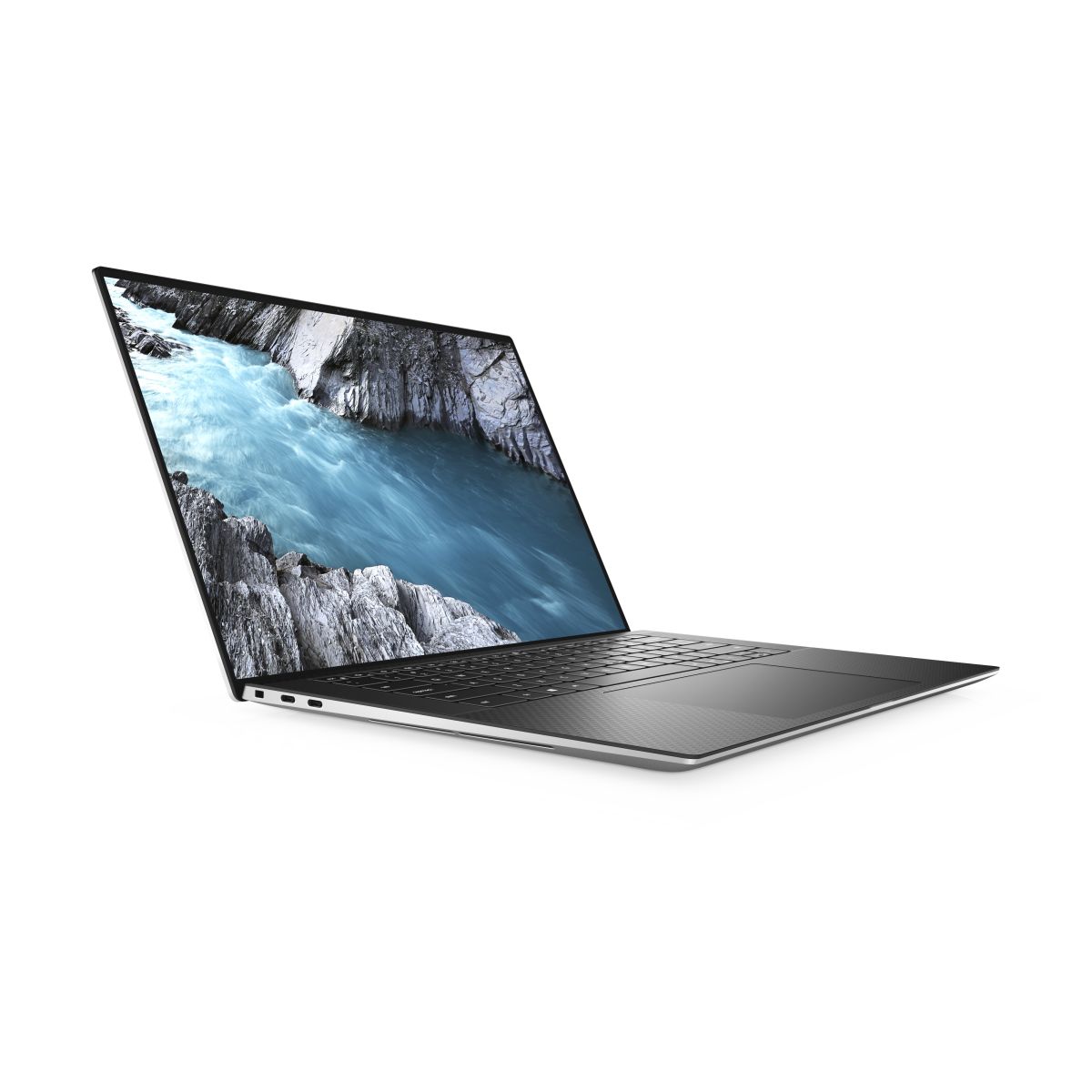
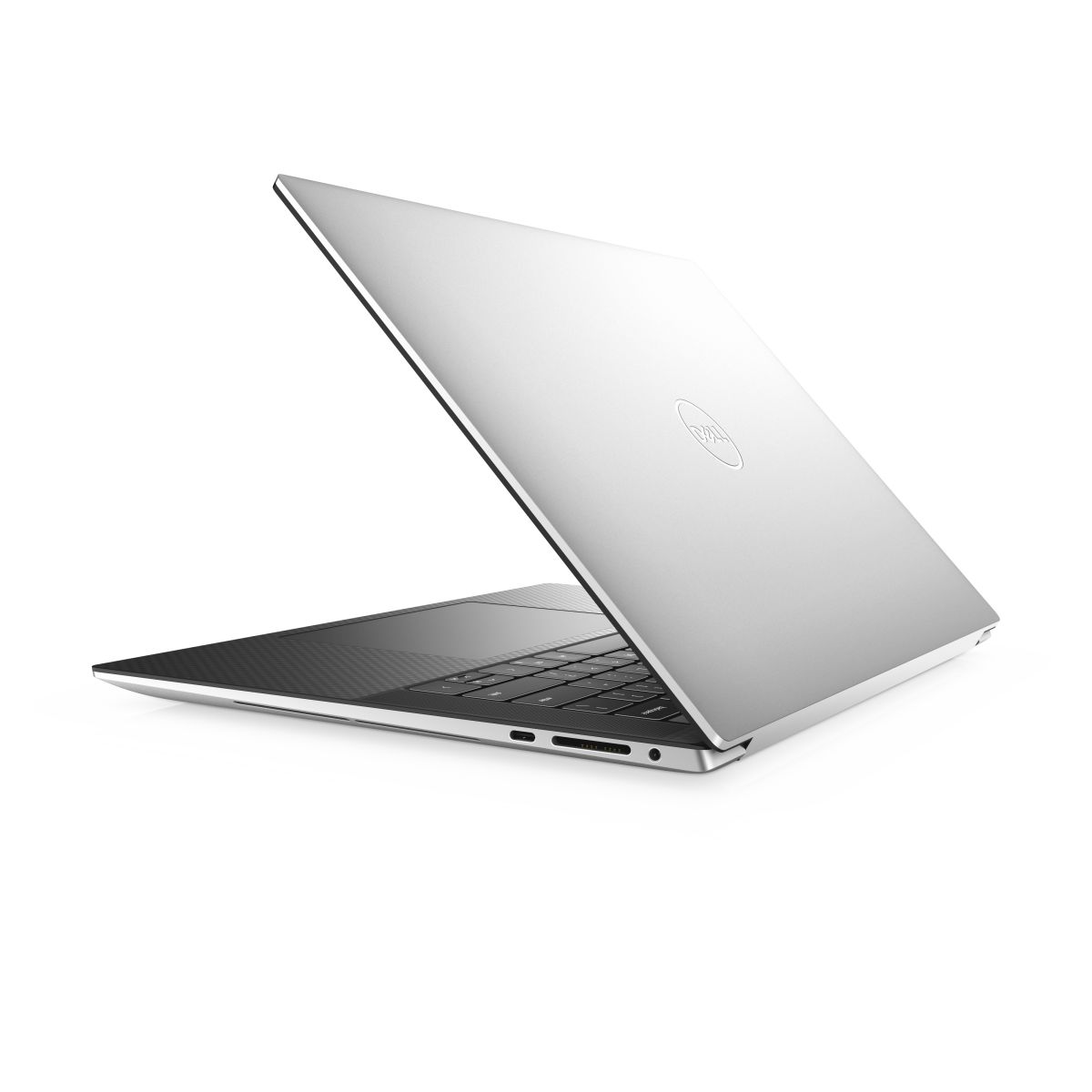
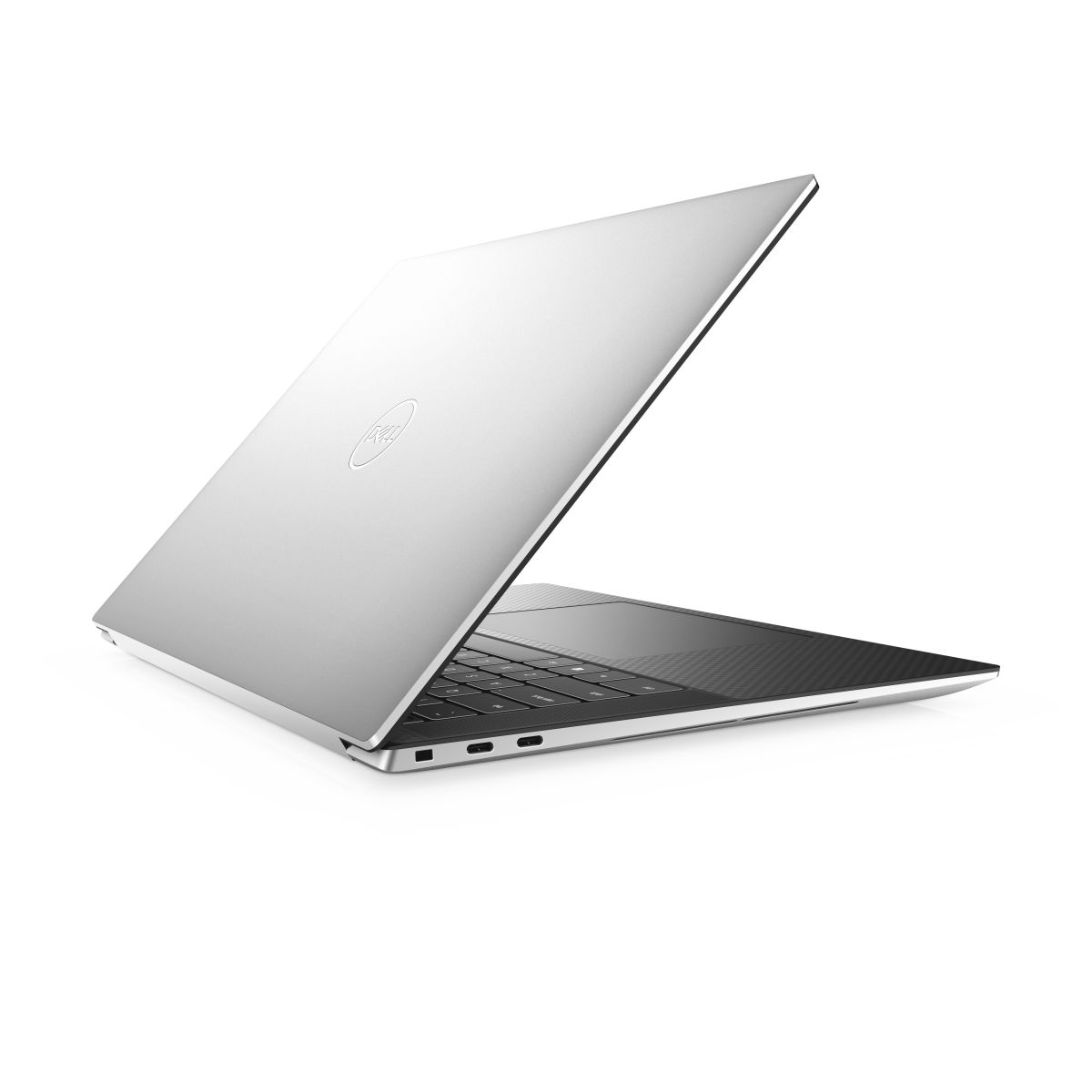
DELL XPS 15 Series 9500 laptop features DDR4-SDRAM memory upgrade specifications with two SO-DIMM slots supporting maximum capacity of 64 GB RAM. Compatible memory modules operate at 2933 MHz frequency. Upgrade specifications allow for expansion beyond factory-installed memory configuration using standard SO-DIMM form factor modules. Maximum supported memory capacity reaches 64 GB total across both available slots.
Memory Upgrade Specifications
| Specification | Value |
|---|---|
| Memory slots | 2x SO-DIMM |
| Form factor | SO-DIMM |
| Memory type | DDR4-SDRAM |
| Frequency | 2933 MHz |
| Maximum RAM | 64 GB |
| Voltage | 1.2V |
| Number of pins | 260-pin |
| Interface | PC4 |
| PC Speed Rating | PC4-2933 (PC4-23464) |
| Bandwidth | 23.5 GB/s |
| Laptop Release date | 18 May 2020 |
Additional Notes
- The DELL XPS 9500 accepts only non-ECC unbuffered SO-DIMM modules, as registered or ECC memory types will cause boot failure or system instability.
- Dual-channel configuration requires matched pairs in both slots to achieve peak memory bandwidth of 46.9 GB/s, while mismatched modules force single-channel operation at half that throughput.
- Modules exceeding 2933 MHz will automatically downclock to match the system's maximum supported frequency, making premium-priced high-speed kits functionally identical to standard-rated modules.
- Reaching the 64 GB ceiling requires 2 modules of 32 GB each, as this 2-slot configuration offers no intermediate upgrade path between 32 GB total and maximum capacity.
- The SO-DIMM form factor prohibits use of standard desktop DIMM modules due to incompatible physical dimensions and pin configurations.
- Module height clearance typically accommodates standard-profile SO-DIMMs, though low-profile variants may be necessary if thermal solutions or chassis components create physical interference near the memory bay.
- Mixing modules with different CAS latencies will force all modules to operate at the slowest timing present, potentially degrading performance below optimal specifications.
- Intel-based systems using this memory configuration support XMP profiles, but activation depends on BIOS settings and may void warranty if overclocking policies prohibit frequency modifications.
- The 2933 MHz specification indicates 10th or 11th generation Intel processor compatibility, as these memory speeds align with native controller support rather than overclocked states.
- Memory upgrades performed by end users typically preserve warranty coverage under most regional policies, though verification of specific terms prevents potential claim denials.
- Voltage requirements default to 1.2V for DDR4 operation, and modules rated for 1.35V or higher may experience stability issues or fail POST checks.