DELL XPS 9520 RAM upgrade specifications
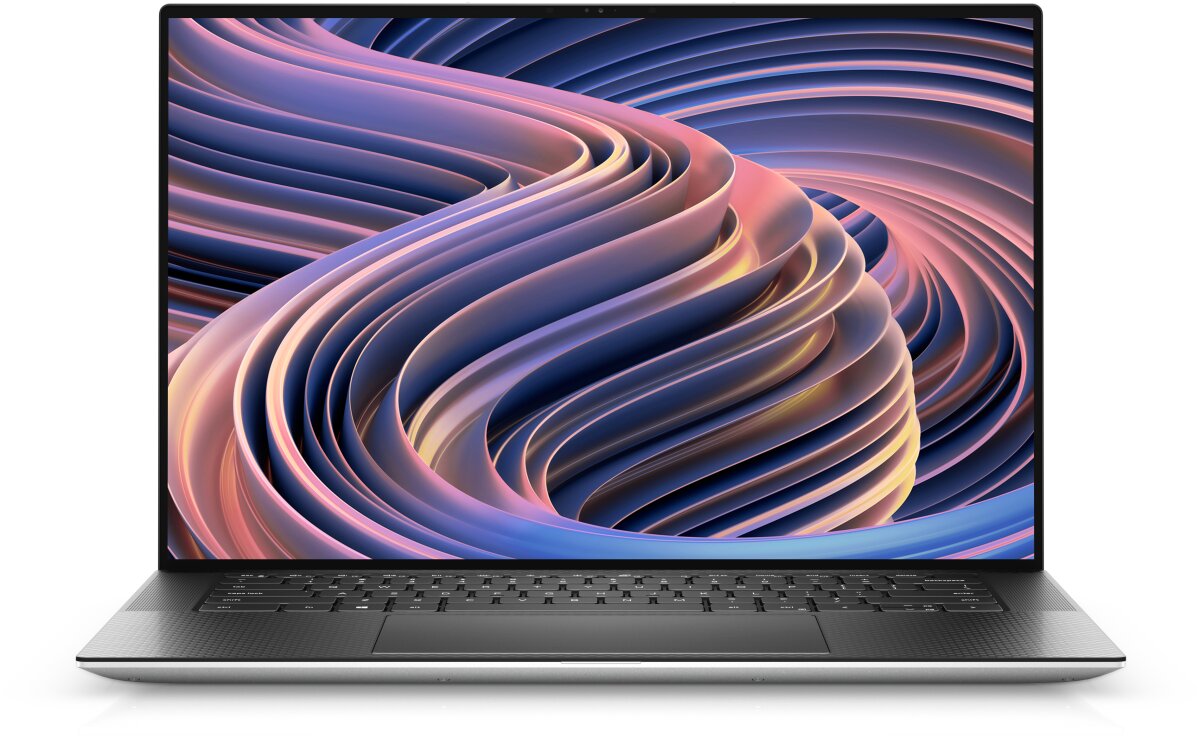
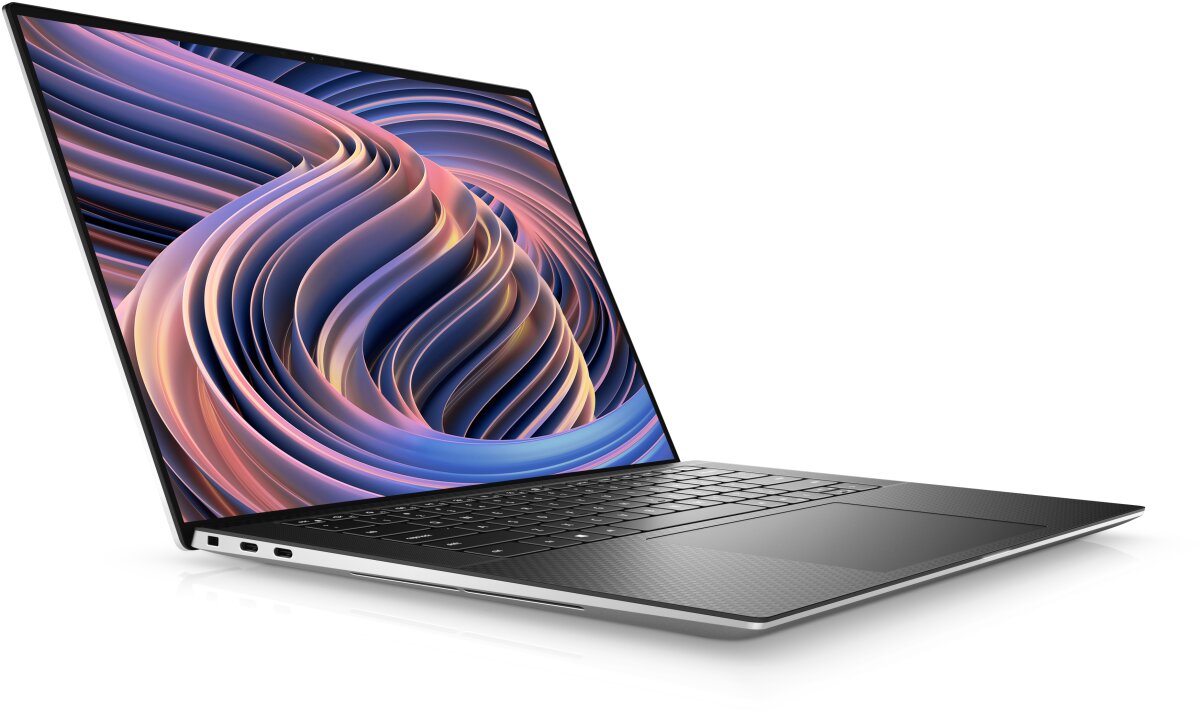
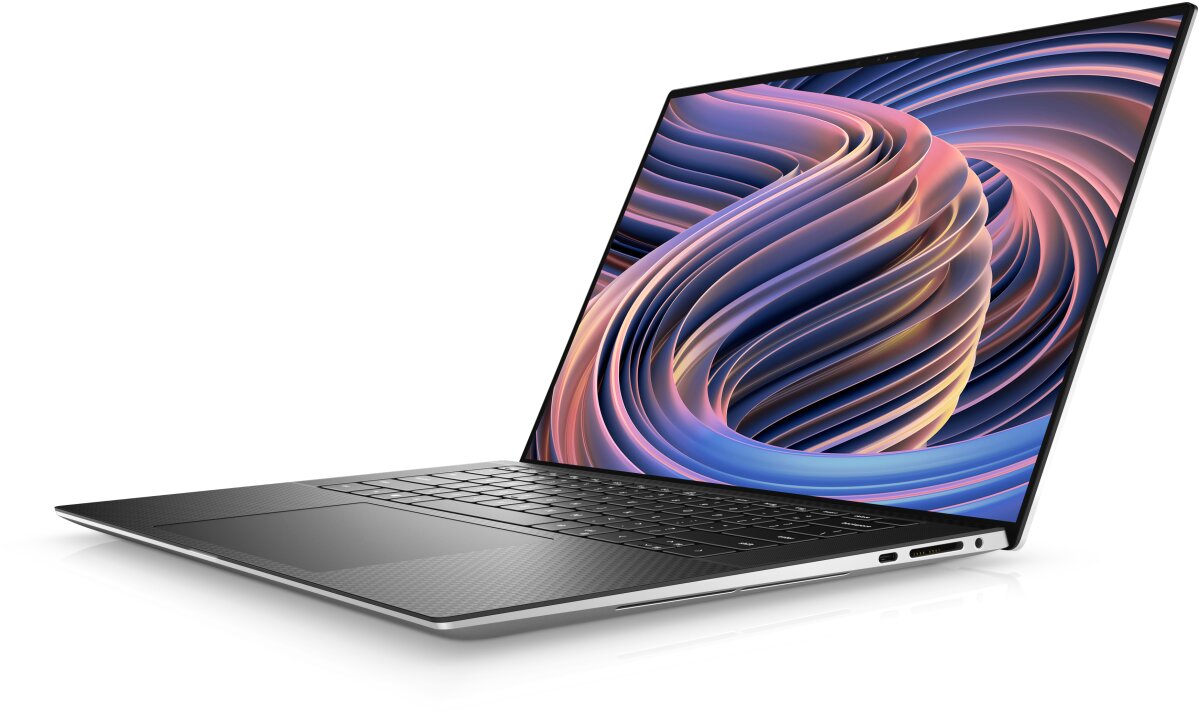
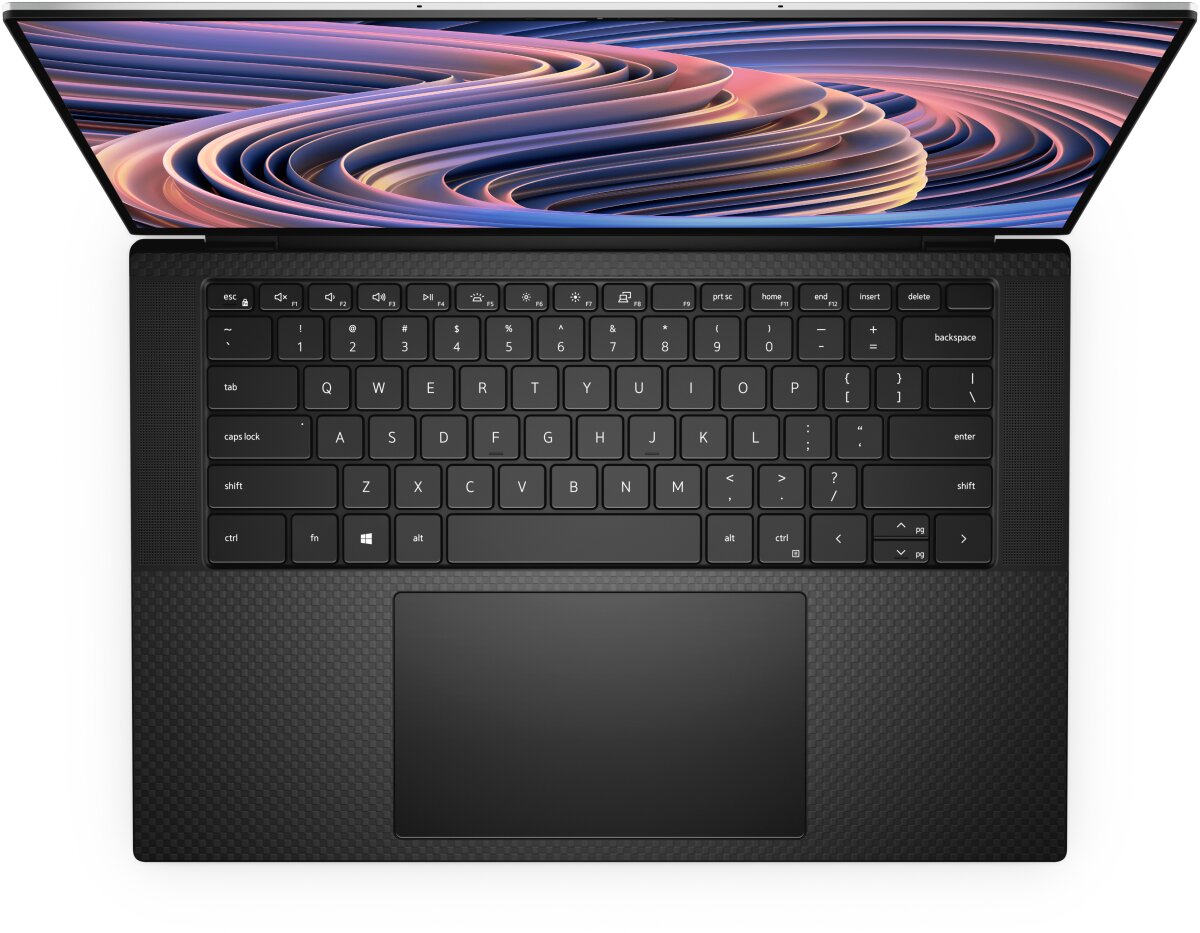

Dell XPS 15 Series Model 9520 supports DDR5-SDRAM memory upgrades with maximum capacity of 64 GB across 2 SO-DIMM slots. Compatible memory modules operate at 4800 MHz frequency. Specifications indicate this laptop features dual SO-DIMM slots for RAM expansion, allowing users to upgrade memory configurations to reach the maximum supported capacity of 64 GB total. DDR5-SDRAM technology provides the memory standard for all compatible upgrade modules.
Memory Upgrade Specifications
| Specification | Value |
|---|---|
| Memory slots | 2x SO-DIMM |
| Form factor | SO-DIMM |
| Memory type | DDR5-SDRAM |
| Frequency | 4800 MHz |
| Maximum RAM | 64 GB |
| Voltage | 1.1V |
| Number of pins | 262-pin |
| Interface | PC5 |
| PC Speed Rating | PC5-4800 (PC5-38400) |
| Bandwidth | 38.4 GB/s |
| Laptop Release date | 07 April 2022 |
Additional Notes
- The DELL XPS 9520 DDR5 architecture requires modules with integrated voltage regulation, as DDR5 SO-DIMMs include onboard power management ICs that differ from DDR4 implementations.
- Thermal considerations become critical at 4800 MHz operation, as DDR5 modules generate approximately 30 percent more heat than equivalent DDR4 configurations during sustained workloads.
- The 64 GB ceiling translates to a 32 GB per module configuration, which limits density options and may affect availability compared to more common 16 GB module sets.
- Mixing modules with different die densities or manufacturers can cause the system to downclock below the 4800 MHz specification, even when both modules meet JEDEC standards.
- The SO-DIMM format restricts access to enterprise-grade error correction, as ECC functionality remains unavailable in consumer DDR5 SO-DIMM modules at this specification level.
- Memory bandwidth reaches 38.4 GB/s per channel at 4800 MHz, but dual-channel population becomes mandatory to achieve the full 76.8 GB/s theoretical throughput.
- Warranty preservation requires non-destructive installation, as soldered components surrounding the SO-DIMM slots can be damaged by excessive insertion force or improper module alignment.
- Latency specifications at CL40 or higher become relevant for performance-sensitive applications, as DDR5 introduces higher absolute latencies despite improved bandwidth compared to DDR4 alternatives.
- Single-channel operation with only 1 populated slot reduces graphics performance disproportionately, as integrated GPU architectures rely heavily on memory bandwidth for frame buffer operations.
- Module height clearance remains constrained in this chassis design, requiring low-profile SO-DIMMs without extended heat spreaders that exceed JEDEC standard dimensions.