DELL XPS 9560 RAM upgrade specifications
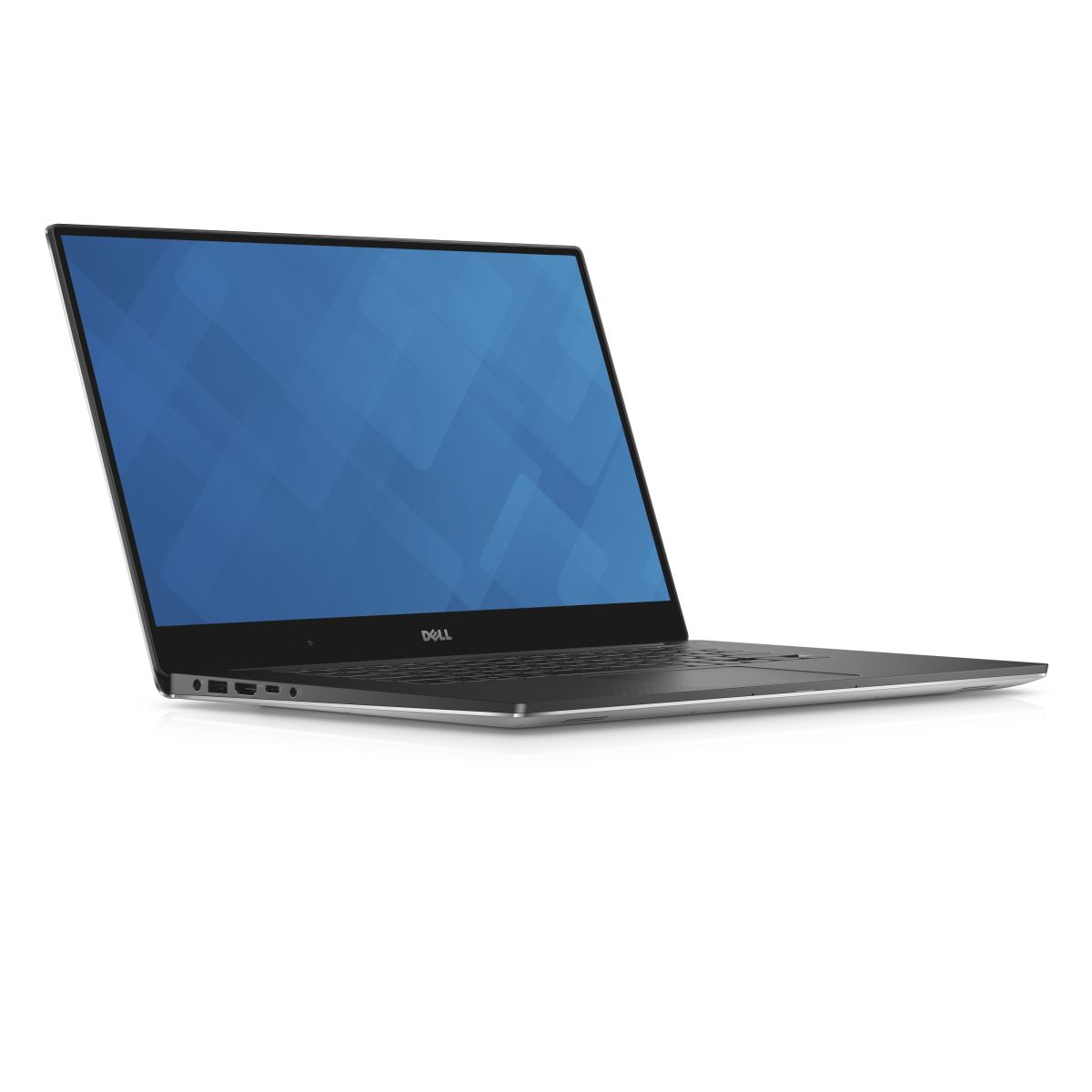

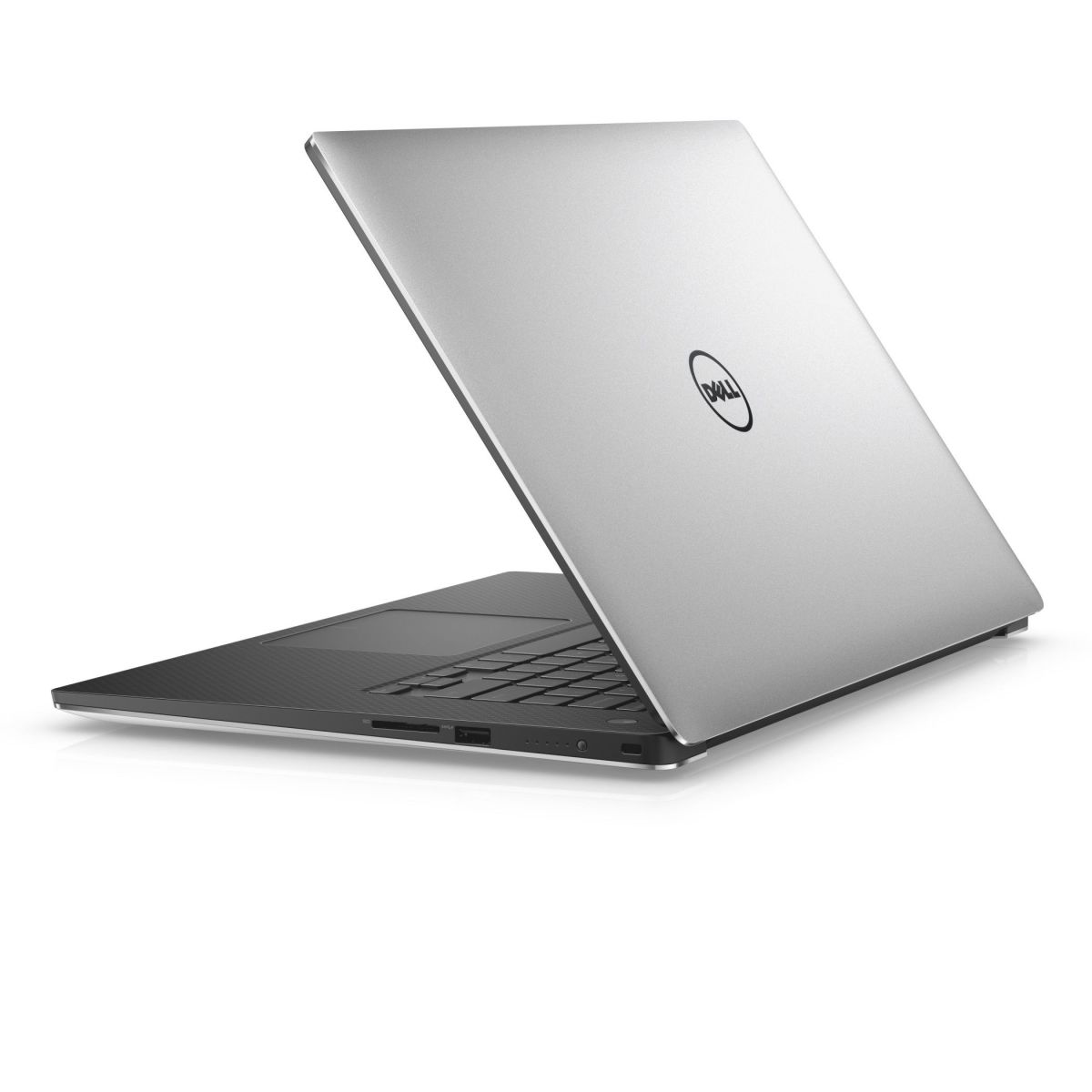
DELL XPS 15 9560 laptop memory upgrade specifications include DDR4-SDRAM compatible RAM with maximum capacity of 32 GB. The system features 2x SO-DIMM slots for memory expansion. Supported memory operates at 2400 MHz frequency with SO-DIMM form factor. Upgrade options range from 4 GB to 16 GB modules per slot to achieve maximum RAM capacity. Specifications detail compatible memory requirements for DELL XPS 15 9560 model expansion.
Memory Upgrade Specifications
| Specification | Value |
|---|---|
| Memory slots | 2x SO-DIMM |
| Form factor | SO-DIMM |
| Memory type | DDR4-SDRAM |
| Frequency | 2400 MHz |
| Maximum RAM | 32 GB |
| Voltage | 1.2V |
| Number of pins | 260-pin |
| Interface | PC4 |
| PC Speed Rating | PC4-2400 (PC4-19200) |
| Bandwidth | 19.2 GB/s |
| Laptop Release date | 18 July 2017 |
Additional Notes
- The 2400 MHz frequency specification limits the system to DDR4-2400 modules, as installing higher-speed RAM (2666 MHz, 3200 MHz) will result in automatic downclocking to 2400 MHz, negating any performance premium paid for faster modules.
- The 32 GB maximum capacity requires two 16 GB modules, as single 32 GB SO-DIMM modules exceed the motherboard's per-slot density limit.
- SO-DIMM form factor prevents installation of standard DIMM modules used in desktop systems, requiring laptop-specific memory purchases typically priced 10-20% higher than equivalent desktop RAM.
- The dual-slot configuration forces a choice between 8 GB total (2x4 GB) or 16 GB total (2x8 GB) for symmetrical dual-channel operation, as mixing capacities (4 GB + 8 GB) degrades memory interleaving efficiency.
- DDR4 voltage specification of 1.2V standard excludes DDR3L modules, which physically fit SO-DIMM slots but operate at incompatible 1.35V and will cause POST failure.
- Seventh-generation Intel Core processors in the 9560 lack support for ECC SO-DIMM modules, rendering error-correcting RAM non-functional even if physically compatible.
- The 260-pin SO-DIMM interface requires alignment with the motherboard's notch position specific to DDR4, preventing accidental installation of 204-pin DDR3 SO-DIMMs despite similar physical dimensions.
- Warranty preservation requires avoiding third-party disassembly if factory-sealed; Dell's base configuration typically uses single-rank modules, so mixing with dual-rank aftermarket RAM may introduce latency asymmetry in dual-channel mode.
- Memory bandwidth caps at 37.5 GB/s theoretical maximum (2400 MT/s × 64-bit bus ÷ 8 bits/byte × 2 channels), creating a bottleneck for GPU-intensive tasks on models with dedicated graphics sharing system memory for frame buffers.
- The absence of quad-channel support means upgrading from 16 GB to 32 GB yields capacity benefits but no memory bandwidth improvement, as both configurations utilize the same dual-channel architecture.