DELL XPS 9710 RAM upgrade specifications


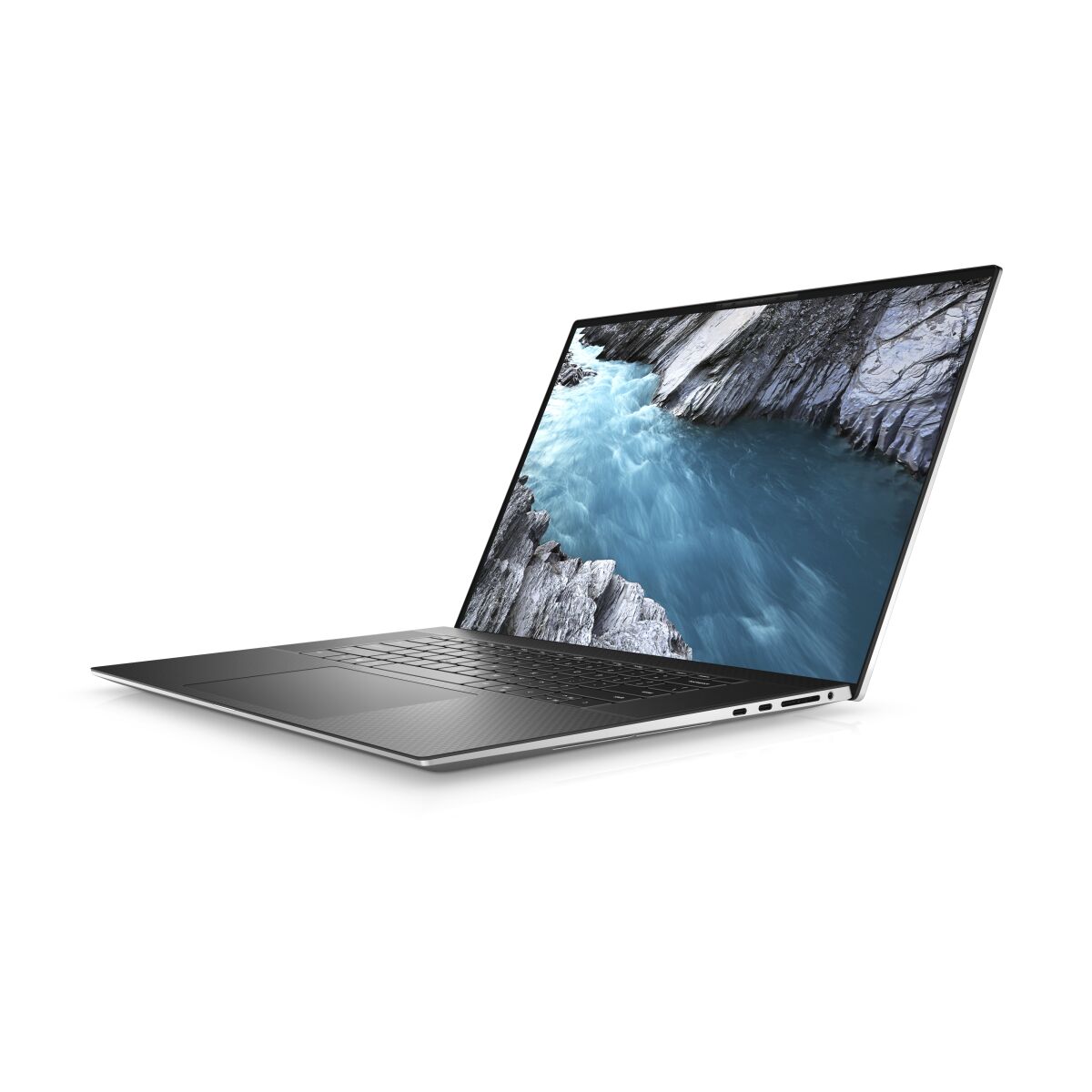
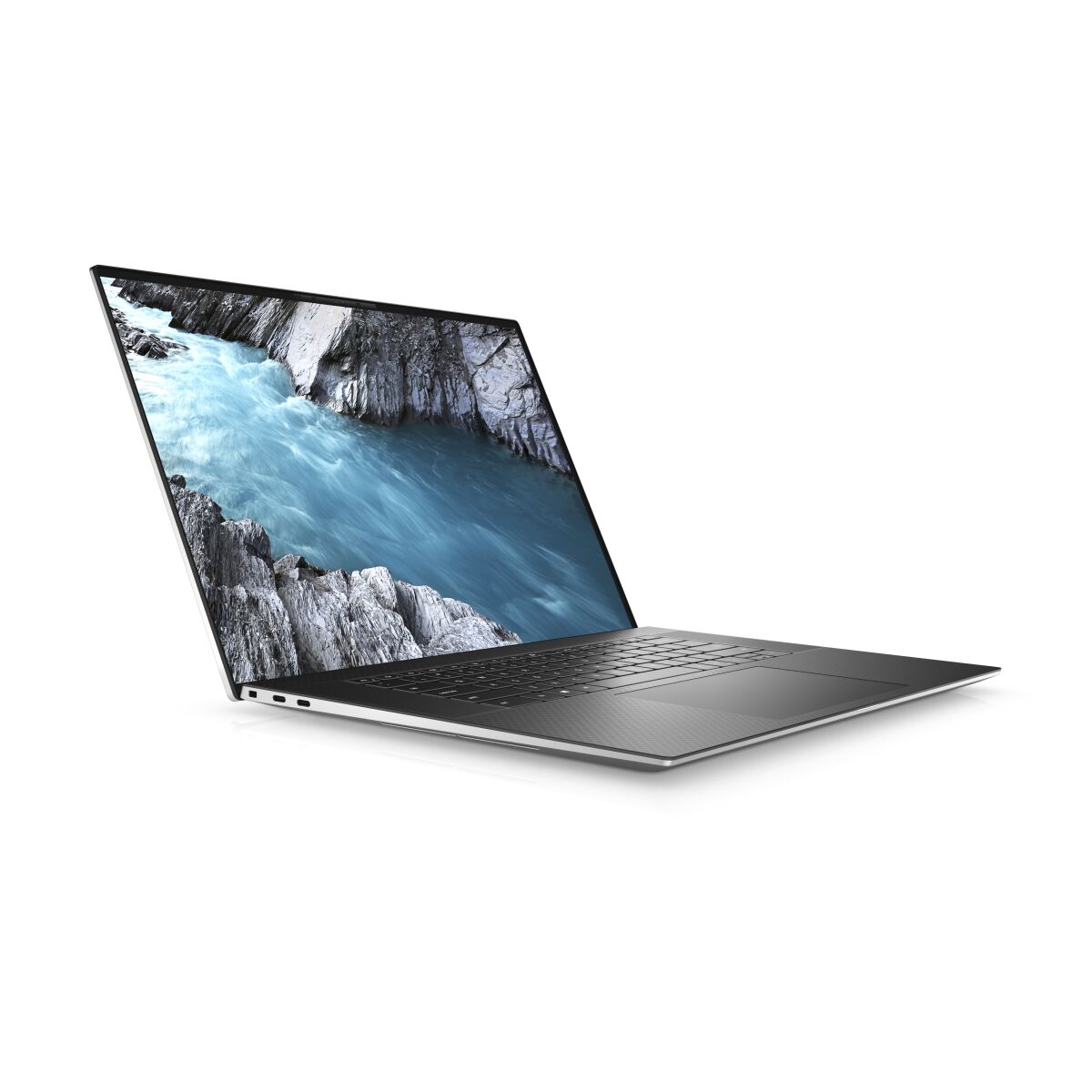
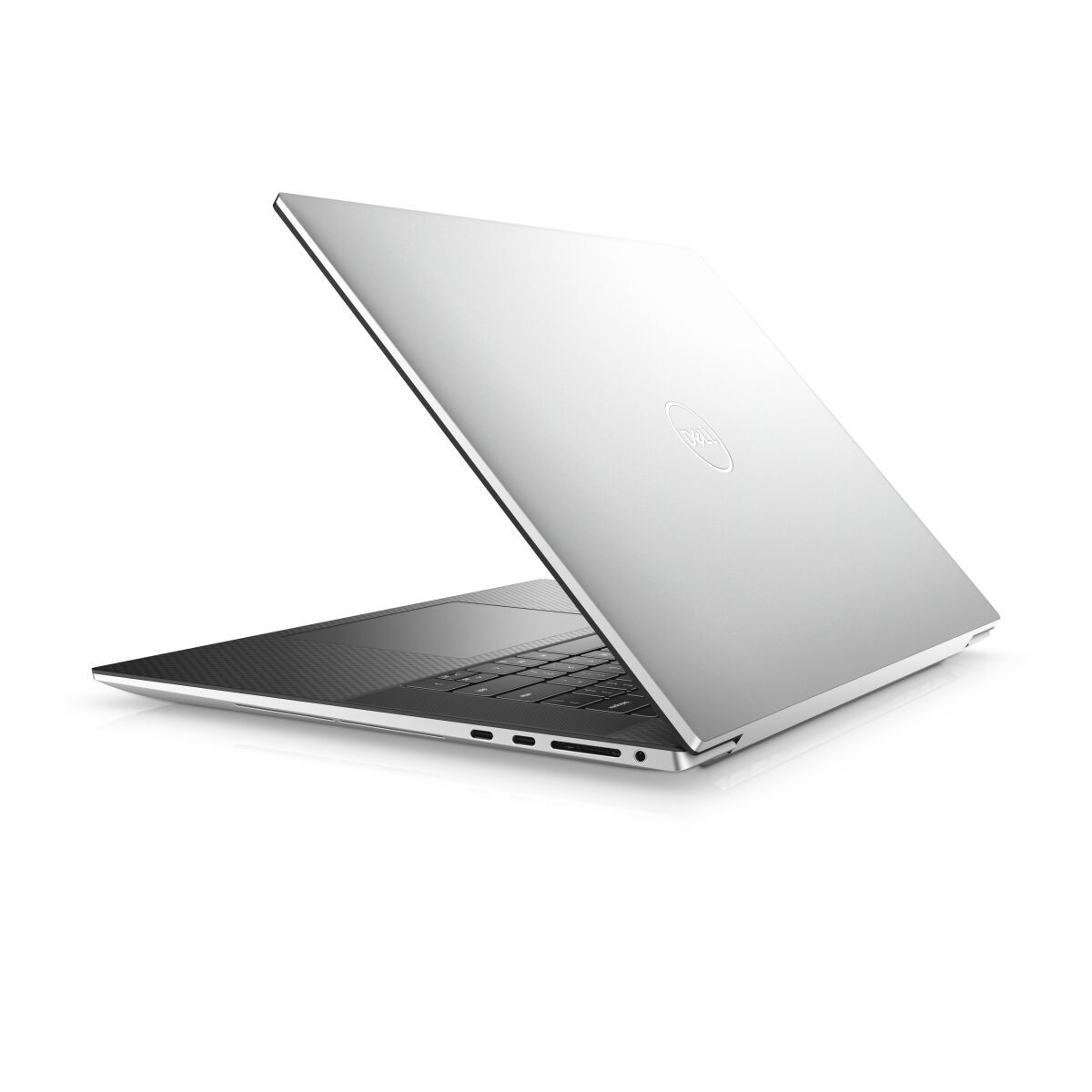
Dell XPS 17 series model 9710 supports DDR4-SDRAM memory upgrades with two SO-DIMM slots. The laptop accommodates maximum RAM capacity of 64 GB, operating at 3200 MHz frequency. Upgrade options are compatible with SO-DIMM form factor specifications. Current memory configurations can be expanded through both available slots to reach maximum capacity specifications.
Memory Upgrade Specifications
| Specification | Value |
|---|---|
| Memory slots | 2x SO-DIMM |
| Form factor | SO-DIMM |
| Memory type | DDR4-SDRAM |
| Frequency | 3200 MHz |
| Maximum RAM | 64 GB |
| Voltage | 1.2V |
| Number of pins | 260-pin |
| Interface | PC4 |
| PC Speed Rating | PC4-3200 (PC4-25600) |
| Bandwidth | 25.6 GB/s |
| Laptop Release date | 22 June 2021 |
Additional Notes
- The Dell XPS 9710 utilizes SO-DIMM modules rather than standard DIMMs, which limits third-party availability compared to desktop memory configurations and typically commands a price premium of 15 to 30 percent over equivalent desktop modules.
- DDR4-3200 operating at the specified frequency requires the system memory controller to support JEDEC standard PC4-25600, establishing a theoretical maximum bandwidth of 25.6 GB/s per channel or 51.2 GB/s in dual-channel configuration.
- The 64 GB maximum capacity constraint indicates the platform supports 32 GB density modules per slot, which rely on dual-rank architecture using sixteen 16 Gbit die per module, a configuration that introduces slightly higher latency compared to single-rank modules.
- Dual-channel operation mandates matched pairs for optimal performance, as mismatched module capacities or speeds force the memory controller to operate in asymmetric or single-channel mode, reducing effective bandwidth by approximately 50 percent.
- The 3200 MHz specification represents a significant bandwidth improvement over DDR4-2666 or DDR4-2933 configurations common in earlier generation systems, providing roughly 20 percent higher throughput in memory-intensive applications.
- SO-DIMM installations require access to the bottom chassis panel, which on many laptop designs necessitates complete removal of 8 to 12 retention screws and careful cable management to avoid damaging flexible PCB interconnects during service.
- Operating voltage for DDR4-3200 SO-DIMMs standardizes at 1.2V, ensuring compatibility across modules from different manufacturers while maintaining thermal envelopes suitable for mobile platform cooling constraints.
- XMP or DOCP overclocking profiles are generally unavailable or disabled in laptop BIOS implementations, restricting memory modules to JEDEC-standard speeds regardless of whether higher-binned modules are installed.
- The platform lacks support for DDR4-3600 or higher frequency modules, as the memory controller specification ceiling at 3200 MHz causes faster modules to downclock automatically, eliminating any performance benefit from premium speed grades.
- ECC memory functionality remains unsupported in this consumer-grade platform despite DDR4 architectural provisions, meaning SO-DIMM ECC modules either fail POST or operate with error correction disabled.