FUJITSU CELSIUS H5511 RAM upgrade specifications
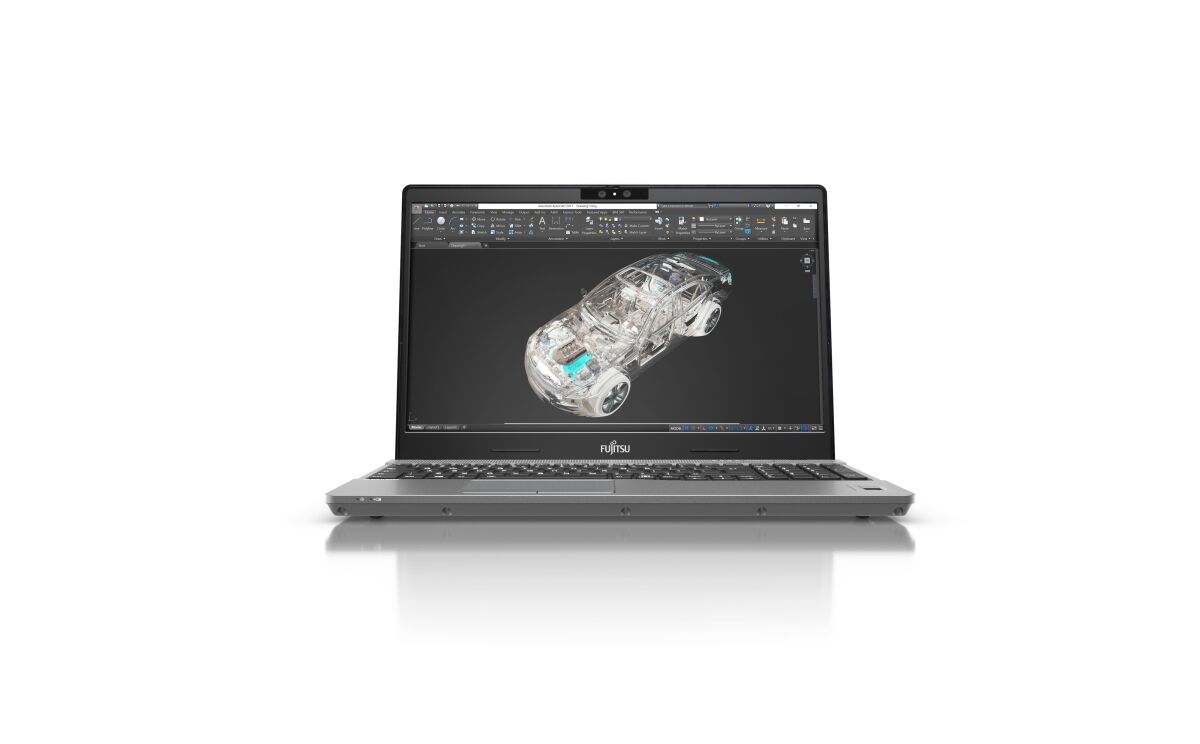

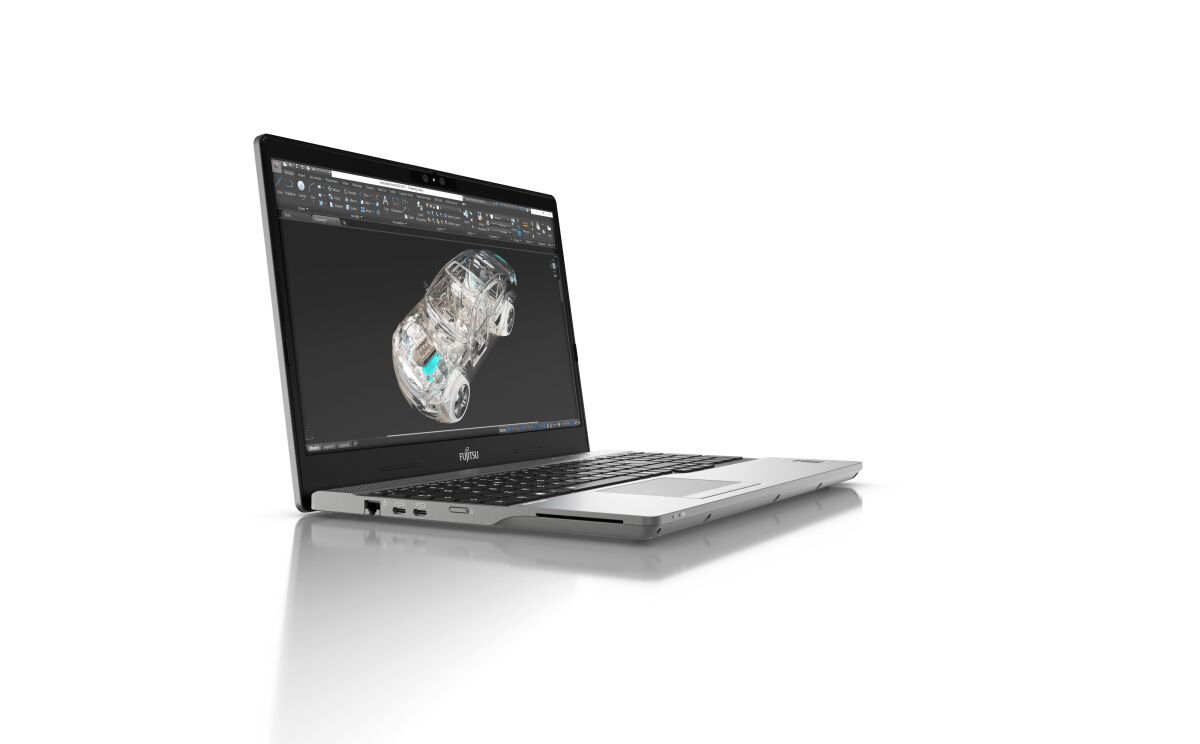
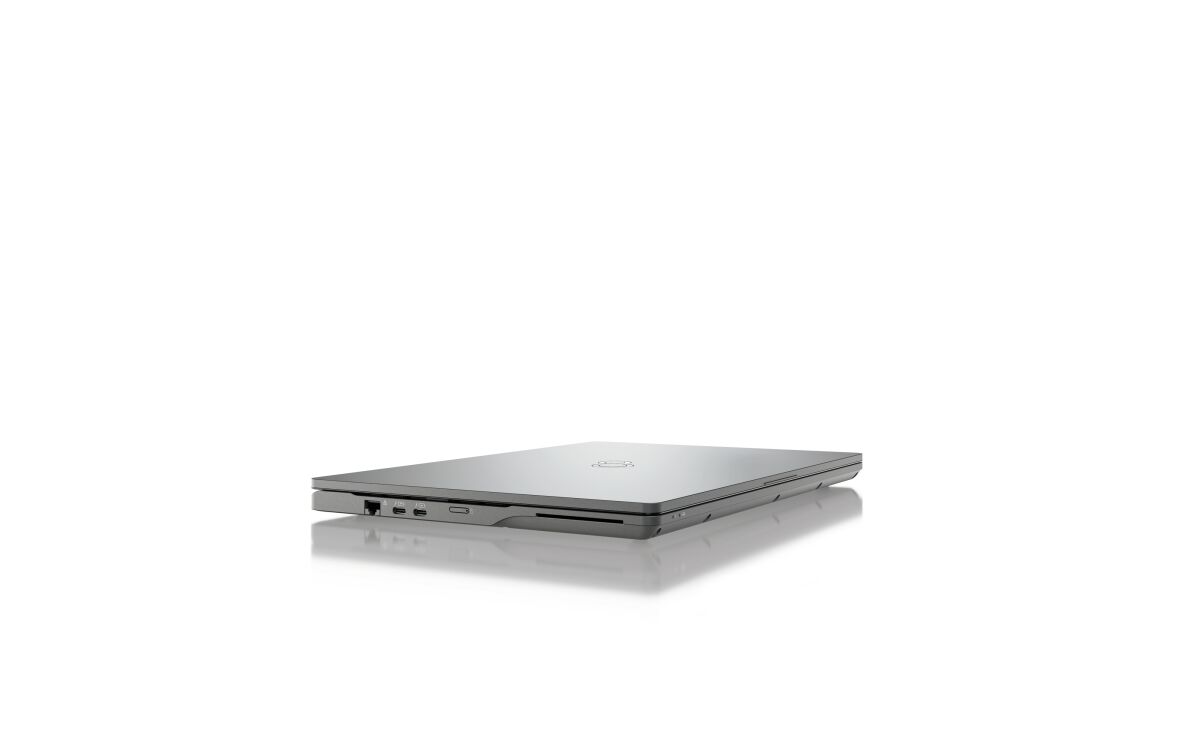
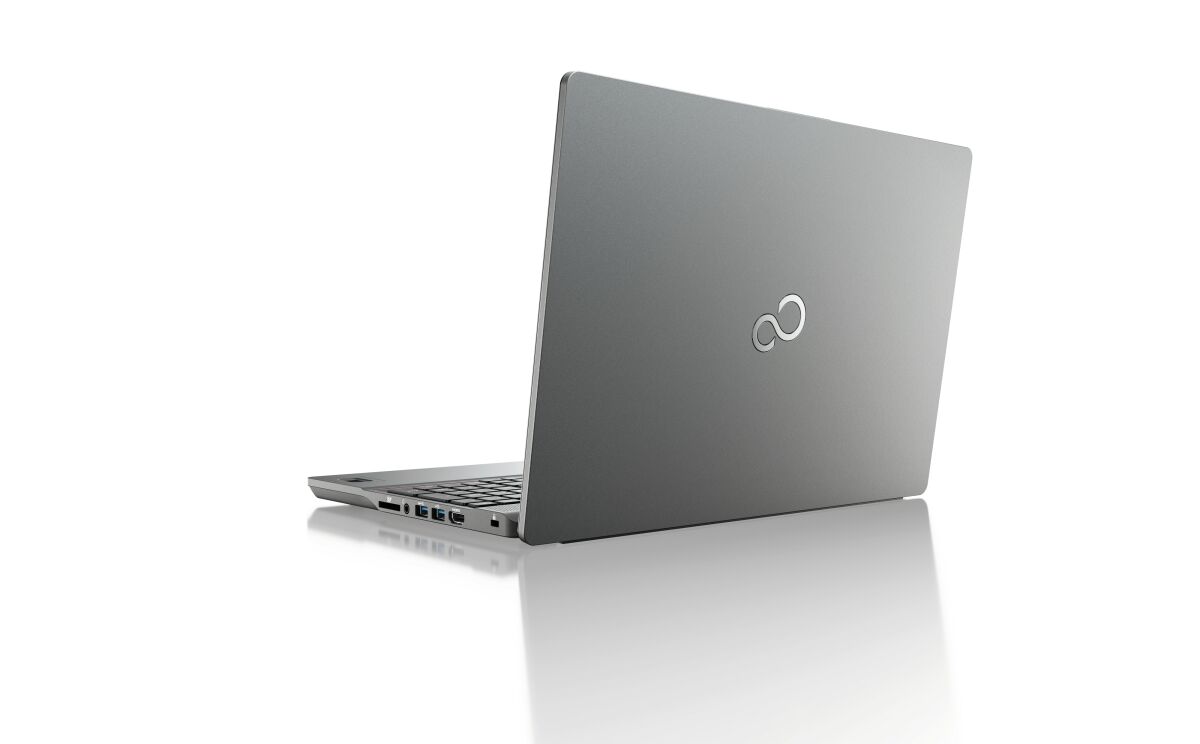
The FUJITSU CELSIUS H Series H5511 workstation features DDR4-SDRAM memory upgrade specifications with dual SO-DIMM slots supporting maximum capacity of 64 GB. Compatible memory modules operate at 3200 MHz frequency. RAM upgrade specifications indicate the H5511 model accommodates SO-DIMM form factor memory, enabling expanded memory configurations for enhanced performance. Maximum RAM capacity reaches 64 GB across the two available slots, providing scalable memory solutions for workstation applications.
Memory Upgrade Specifications
| Specification | Value |
|---|---|
| Memory slots | 2x SO-DIMM |
| Form factor | SO-DIMM |
| Memory type | DDR4-SDRAM |
| Frequency | 3200 MHz |
| Maximum RAM | 64 GB |
| Voltage | 1.2V |
| Number of pins | 260-pin |
| Interface | PC4 |
| PC Speed Rating | PC4-3200 (PC4-25600) |
| Bandwidth | 25.6 GB/s |
| Laptop Release date | 10 March 2022 |
Additional Notes
- The FUJITSU CELSIUS H5511 supports DDR4-3200, but actual operating frequency depends on the installed processor's memory controller specifications, which may limit speed to 2933 MHz or 2666 MHz with certain CPU configurations.
- Achieving the 64 GB maximum capacity requires 2 modules of 32 GB each, as the workstation provides only 2 SO-DIMM slots without option for additional memory expansion.
- Non-ECC unbuffered SO-DIMMs are required for consumer configurations, while ECC SO-DIMMs may be necessary for certain professional variants, creating incompatibility between these module types.
- Single-channel operation occurs when only 1 slot is populated, reducing memory bandwidth by approximately 50% compared to dual-channel configuration with matched module pairs.
- DDR4 voltage specification of 1.2V is standard, and modules rated at 1.35V or higher may cause stability issues or prevent POST completion.
- Mixed-capacity configurations (such as 16 GB plus 32 GB) operate in flex mode with asymmetric dual-channel behavior, where only the matched portion runs in dual-channel while the remainder operates in single-channel.
- CAS latency variations between modules (CL22 versus CL19) force the memory controller to adopt the slower timing of the pair, potentially reducing performance in latency-sensitive applications.
- The SO-DIMM form factor requires 260-pin modules specifically, as standard DIMM (288-pin) desktop memory is physically incompatible with mobile workstation sockets.
- Thermal constraints in mobile workstation chassis may throttle sustained memory operations under heavy workloads, particularly when both slots are populated with high-density modules.
- JEDEC-compliant modules without XMP profiles ensure compatibility, while overclock-rated SO-DIMMs may not initialize properly without BIOS support for SPD profile selection.