FUJITSU CELSIUS H760 RAM upgrade specifications
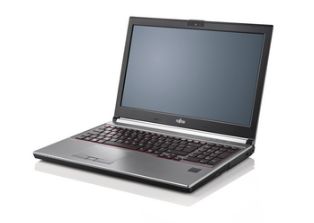
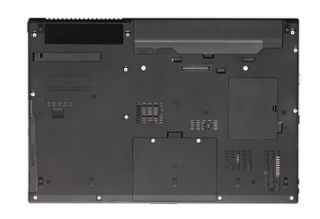
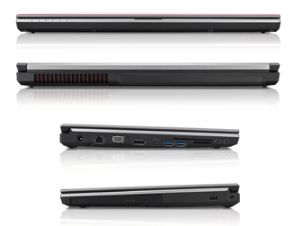
FUJITSU CELSIUS H760 workstation accommodates DDR4-SDRAM memory upgrades through four SO-DIMM slots. Maximum supported RAM capacity reaches 64 GB, with compatible memory operating at 2133 MHz frequency. Specifications define SO-DIMM form factor for upgrade compatibility. Memory expansion enables enhanced multitasking and computational performance within platform constraints. Current slots support incremental capacity additions to existing installed memory configurations.
Memory Upgrade Specifications
| Specification | Value |
|---|---|
| Memory slots | 4x SO-DIMM |
| Form factor | SO-DIMM |
| Memory type | DDR4-SDRAM |
| Frequency | 2133 MHz |
| Maximum RAM | 64 GB |
| Voltage | 1.2V |
| Number of pins | 260-pin |
| Interface | PC4 |
| PC Speed Rating | PC4-2133 (PC4-17064) |
| Bandwidth | 17.1 GB/s |
| Laptop Release date | 12 June 2016 |
Additional Notes
- The presence of 4 SO-DIMM slots implies a dual-channel architecture where memory modules must be installed in matched pairs to optimalize data throughput and avoid bus bottlenecking.
- High-density 16 GB modules are necessary to reach the maximum capacity because the motherboard chipset does not support 32 GB single-stick configurations.
- Installing memory with frequencies higher than 2133 MHz results in automatic downclocking to the system bus limit, providing no performance benefit over standard modules.
- Accessing all 4 memory slots typically requires removing the primary keyboard assembly as the slots are often split between the bottom service door and the upper chassis layer.
- Mixed latency timings between different brands will force the system to default to the slowest common denominator, potentially increasing memory access fetch cycles.
- The hardware architecture supports both ECC and non-ECC memory types, but these categories cannot be mixed within the same system without causing a failure to POST.
- Internal thermal management is calibrated for 1.2V DDR4 modules, so using high-voltage overclocked RAM may lead to localized heat buildup within the confined SO-DIMM housing.
- Full utilization of 64 GB of RAM necessitates a 64-bit operating system to address the memory space beyond the 4 GB architectural limitation of 32-bit environments.