FUJITSU CELSIUS H780 RAM upgrade specifications
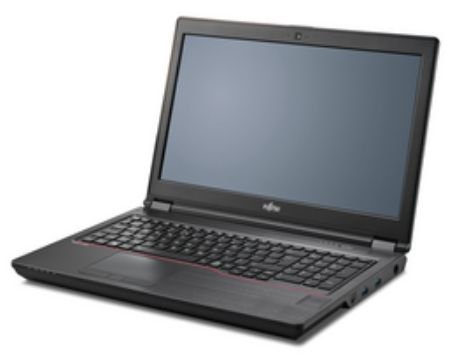
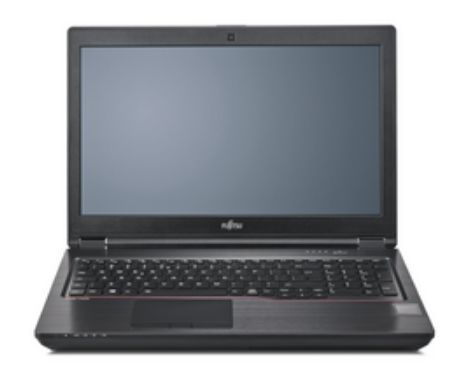
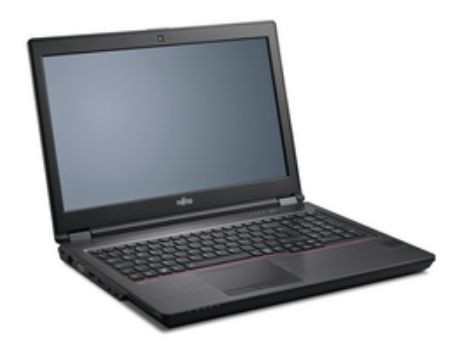

Fujitsu CELSIUS H780 workstation supports DDR4-SDRAM memory upgrades via 4 SO-DIMM slots. Maximum memory capacity reaches 64 GB at 2400 MHz frequency. Compatible upgrades utilize SO-DIMM form factor specifications. Memory expansion slots enable modular RAM configuration for enhanced multitasking and computational performance in professional workstation applications.
Memory Upgrade Specifications
| Specification | Value |
|---|---|
| Memory slots | 4x SO-DIMM |
| Form factor | SO-DIMM |
| Memory type | DDR4-SDRAM |
| Frequency | 2400 MHz |
| Maximum RAM | 64 GB |
| Voltage | 1.2V |
| Number of pins | 260-pin |
| Interface | PC4 |
| PC Speed Rating | PC4-2400 (PC4-19200) |
| Bandwidth | 19.2 GB/s |
| Laptop Release date | 16 September 2018 |
Additional Notes
- DDR4-2400 MHz represents a lower frequency tier within DDR4 specifications, which may create performance constraints when paired with newer generation processors that support DDR4-3200 or higher speeds. Memory will operate at the slower rated speed, capping bandwidth utilization.
- SO-DIMM form factor confirms this is a mobile or compact workstation, which restricts upgrade options to laptop-compatible modules only. Standard desktop DDR4 DIMMs are physically incompatible and cannot be installed.
- 4 memory slots with 64 GB maximum capacity indicates support for 16 GB modules per slot. Upgrading to the full 64 GB requires replacing all 4 existing SO-DIMMs, not augmenting existing RAM, as intermediate step capacity (32 GB total) would require 8 GB modules that may not be performance-optimal for this platform.
- The frequency specification of 2400 MHz predates widespread adoption of faster DDR4 variants in workstation platforms, suggesting this model targets applications with moderate memory bandwidth requirements. High-frequency trading, 3D rendering, or scientific computing workloads may experience bandwidth limitations compared to systems supporting 2666 MHz or higher.
- Mixing DDR4 speeds (installing higher-frequency modules) will force all memory to downclock to 2400 MHz, negating any speed premium of newer modules and wasting upgrade investment on faster RAM variants.
- SO-DIMM modules occupy minimal physical space, which typically allows installation without disassembling large chassis sections. However, access panels vary by specific H780 revision, and pre-upgrade documentation review is warranted to confirm procedure requirements.