FUJITSU LIFEBOOK U758 RAM upgrade specifications
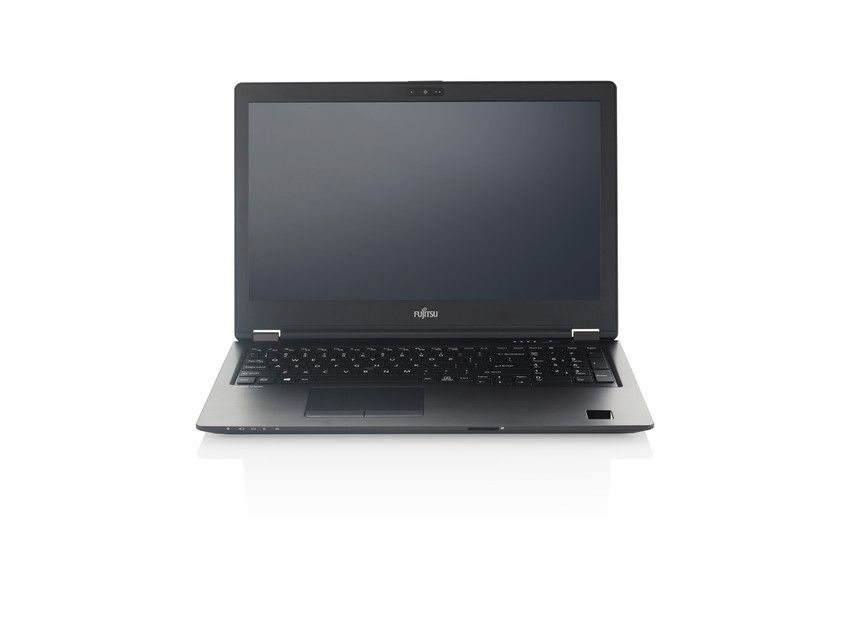
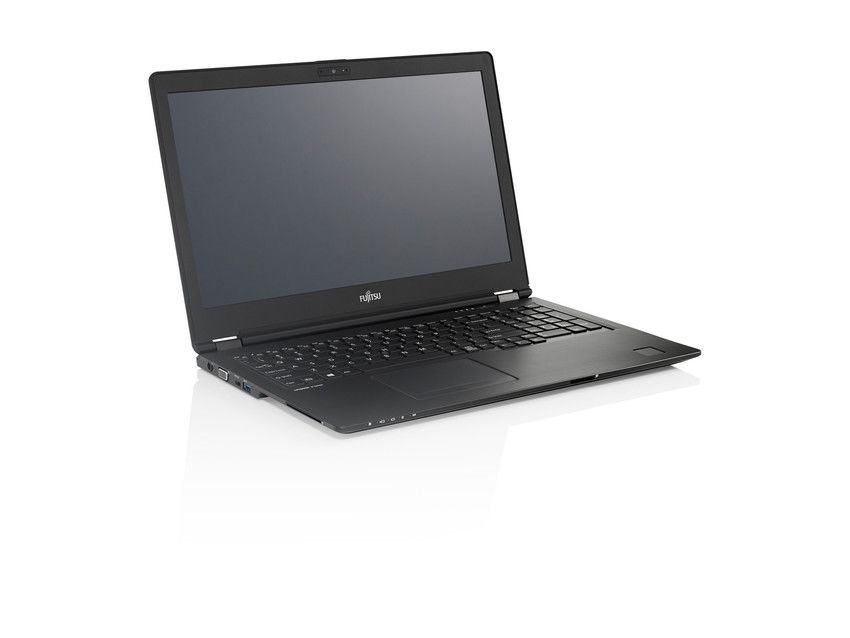
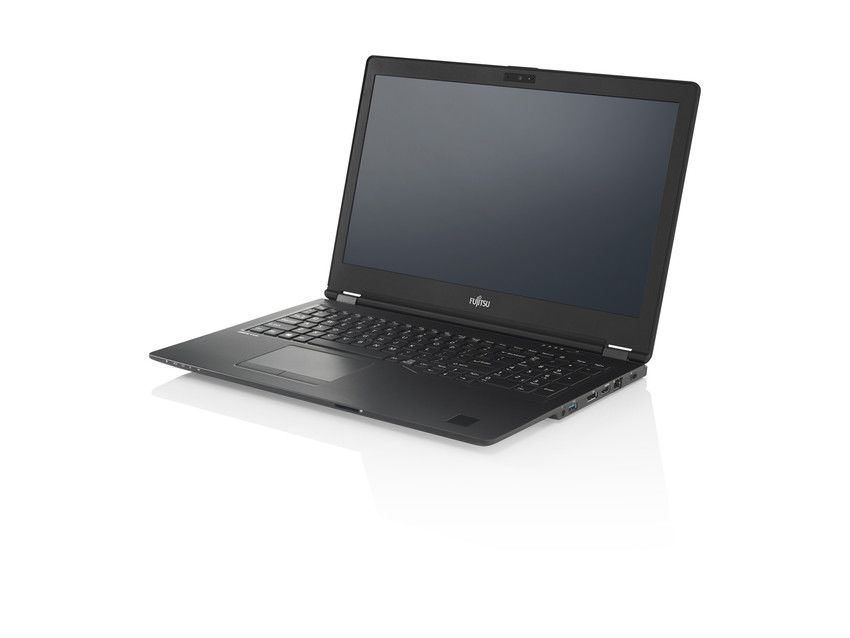
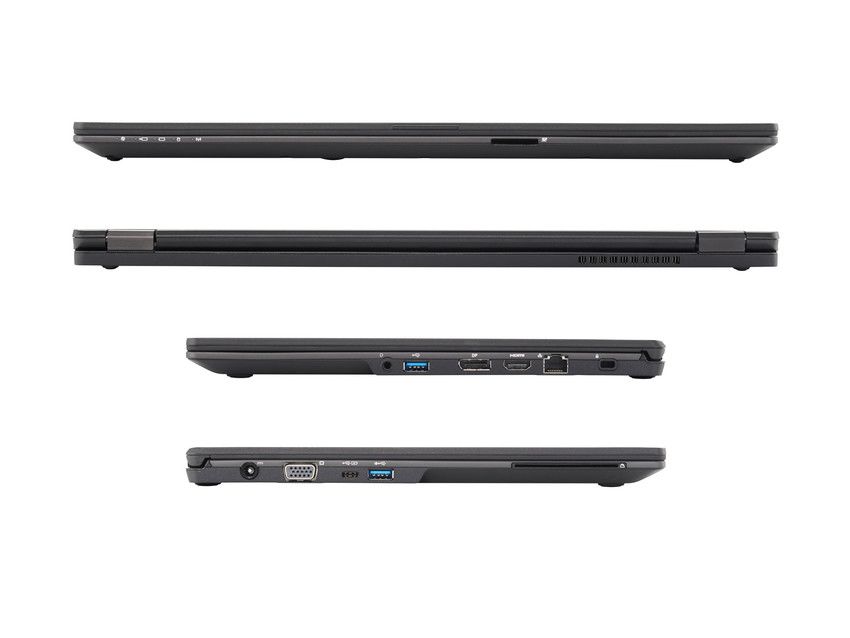
FUJITSU LIFEBOOK U Series model U758 features DDR4-SDRAM memory upgrade capabilities with two SO-DIMM slots. The laptop supports maximum RAM capacity of 32 GB total, utilizing 2400 MHz frequency specifications. Compatible memory upgrades utilize SO-DIMM form factor modules. Memory upgrade specifications enable expansion from stock configurations to the maximum supported capacity through compatible DDR4-SDRAM modules installed in available slots.
Memory Upgrade Specifications
| Specification | Value |
|---|---|
| Memory slots | 2x SO-DIMM |
| Form factor | SO-DIMM |
| Memory type | DDR4-SDRAM |
| Frequency | 2400 MHz |
| Maximum RAM | 32 GB |
| Voltage | 1.2V |
| Number of pins | 260-pin |
| Interface | PC4 |
| PC Speed Rating | PC4-2400 (PC4-19200) |
| Bandwidth | 19.2 GB/s |
| Laptop Release date | 06 March 2018 |
Additional Notes
- The dual SO-DIMM configuration limits upgrade capacity to 2 modules maximum, requiring removal of existing memory to reach the 32 GB ceiling rather than additive expansion beyond a certain threshold.
- DDR4-2400 MHz specification indicates this system predates DDR4-2666 and faster variants, restricting memory module selection to older stock or premium pricing from specialty retailers, as mainstream DDR4 production has shifted to higher frequencies.
- SO-DIMM form factor constrains upgrades to mobile-grade memory modules; desktop DDR4 UDIMM modules are physically incompatible and cannot substitute regardless of electrical compatibility.
- The 32 GB maximum ceiling reflects BIOS limitations from the era of this platform, meaning a theoretical 64 GB configuration remains unsupported even if physically installable, creating a hard upgrade boundary.
- Achieving the 32 GB maximum requires 2x 16 GB modules, triggering potential latency trade-offs if the system implements asymmetrical memory configurations with pre-installed smaller capacity modules remaining in use.
- DDR4-2400 operates at lower bandwidth than contemporary systems, potentially creating performance bottlenecks in memory-intensive workloads when paired with modern processors via external docking solutions or future OS versions optimized for faster memory architectures.
- Factory configuration likely shipped with 8 GB or 16 GB, making both SO-DIMM slots occupied; upgrade procedures require complete memory replacement rather than simple module addition, with both original modules requiring safe removal and potential reallocation.