FUJITSU LIFEBOOK U772 RAM upgrade specifications
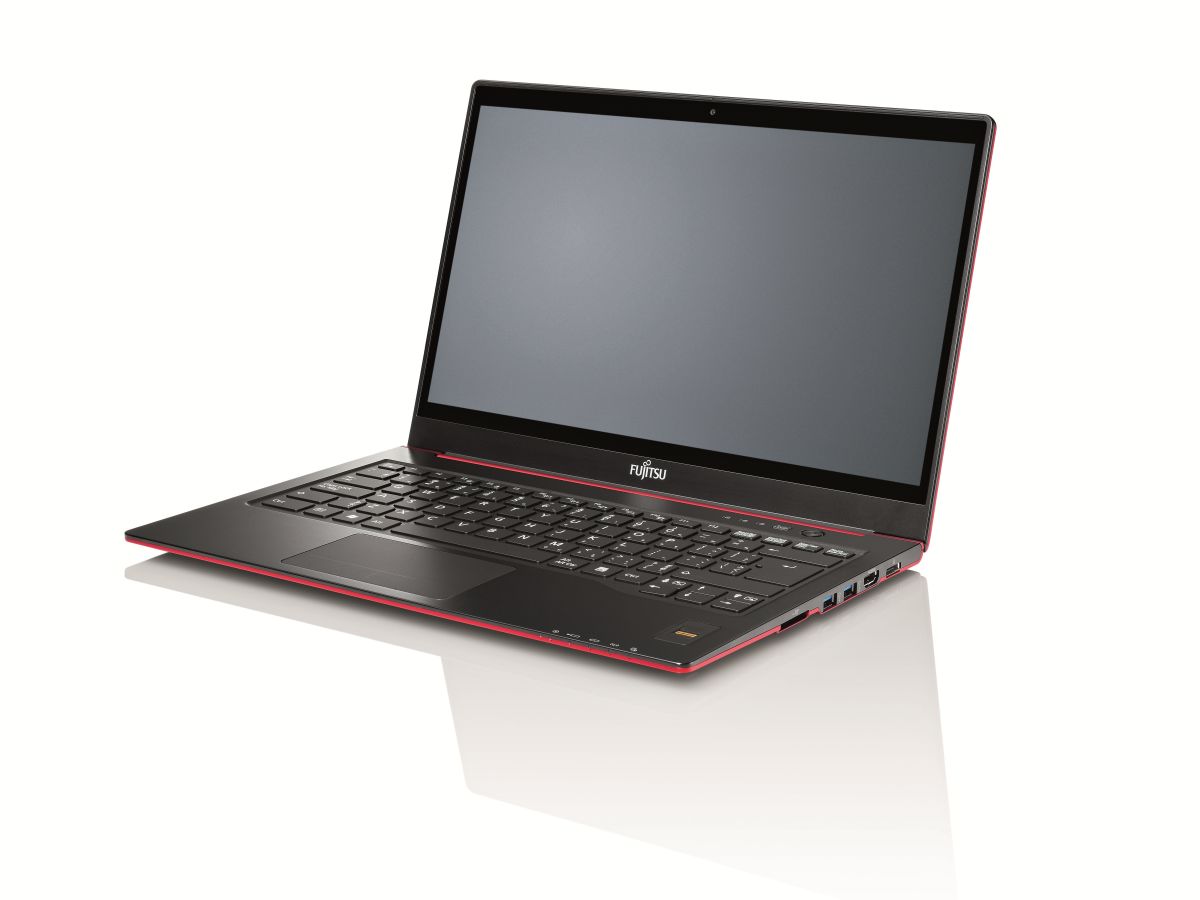
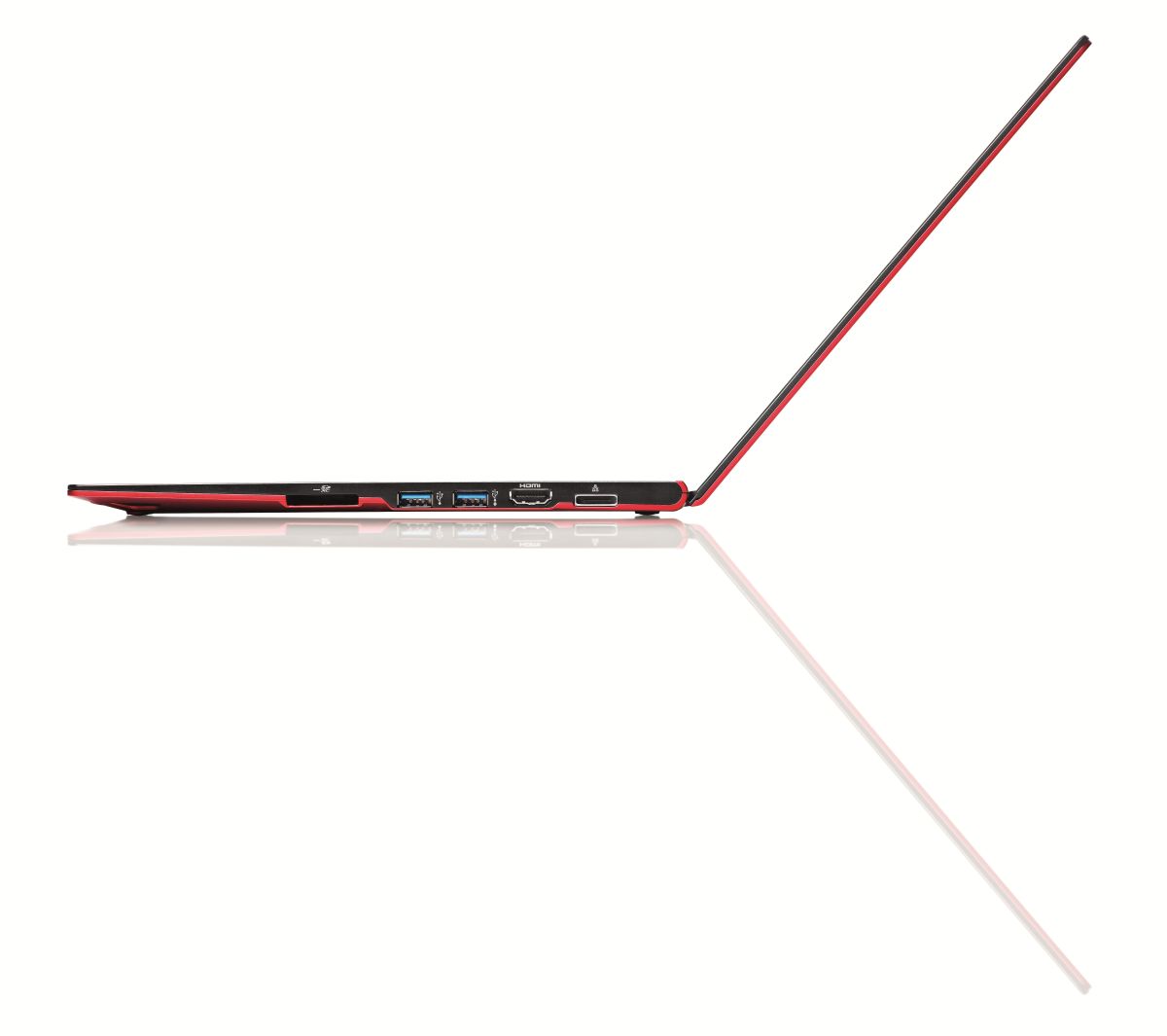
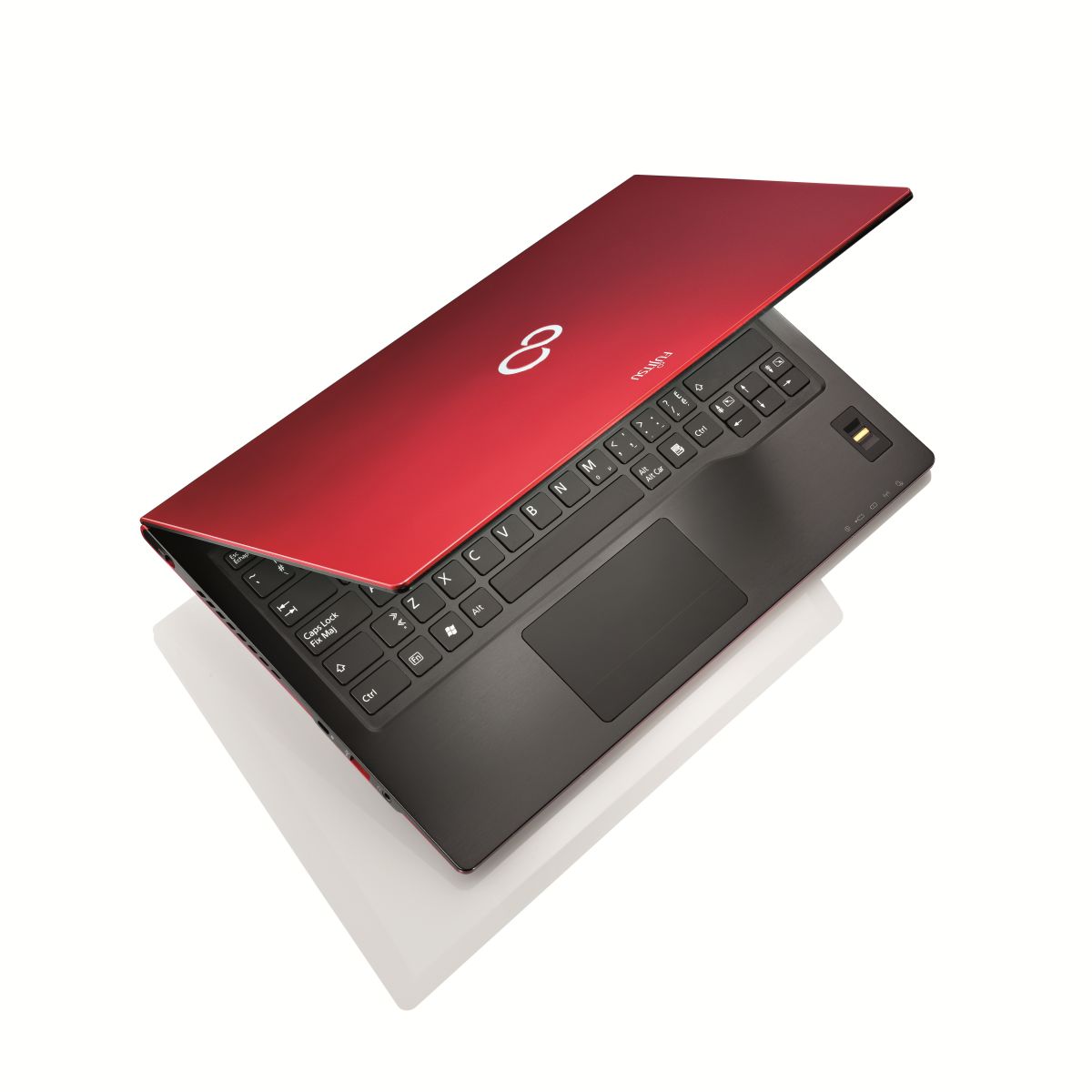
FUJITSU LIFEBOOK U Series model U772 supports DDR3-SDRAM memory upgrades with a single SO-DIMM slot. Maximum RAM capacity reaches 8 GB. Compatible memory modules operate at 1600 MHz frequency. Specifications indicate the laptop contains one memory slot for potential RAM upgrade. The SO-DIMM form factor defines the physical dimensions of compatible memory modules for this particular model.
Memory Upgrade Specifications
| Specification | Value |
|---|---|
| Memory slots | 1x SO-DIMM |
| Form factor | SO-DIMM |
| Memory type | DDR3-SDRAM |
| Frequency | 1600 MHz |
| Maximum RAM | 8 GB |
| Voltage | 1.5V |
| Number of pins | 204-pin |
| Interface | PC3 |
| PC Speed Rating | PC3-1600 (PC3-12800) |
| Bandwidth | 12.8 GB/s |
| Laptop Release date | 18 August 2017 |
Additional Notes
- The single SO-DIMM slot architecture in the FUJITSU LIFEBOOK U772 prevents dual-channel memory operation, limiting memory bandwidth to approximately 12.8 GB/s compared to the 25.6 GB/s achievable with dual-channel configurations.
- Upgrading requires complete module replacement rather than adding a second module, as the occupied slot must be removed before installing higher-capacity memory.
- DDR3-1600 represents the maximum standard JEDEC frequency supported by third-generation Intel mobile processors, meaning higher-speed modules will downclock to 1600 MHz even if installed.
- The 8 GB ceiling reflects chipset and processor generation limitations rather than slot capacity, as SO-DIMM slots physically accept modules up to 16 GB.
- PC3-12800 compatibility designation ensures interchangeability, as this standard corresponds directly to DDR3-1600 specifications for data transfer rates.
- The absence of a second slot eliminates the need to verify matching pairs for speed, voltage, or latency timing, simplifying the upgrade process to single-module selection.
- Low-voltage DDR3L modules operating at 1.35V maintain backward compatibility with standard 1.5V slots, though the system will supply the higher voltage regardless.
- Single-sided module construction may be required for chassis clearance in this ultraportable form factor, as double-sided configurations can exceed vertical space constraints near the keyboard assembly.
- ECC memory provides no functional benefit in this consumer platform, as the chipset lacks error-correcting code support despite physical compatibility.
- CAS latency variations between CL9, CL10, and CL11 modules produce negligible real-world performance differences at 1600 MHz speeds in typical productivity workloads.