GIGABYTE G series G5 KC RAM upgrade specifications


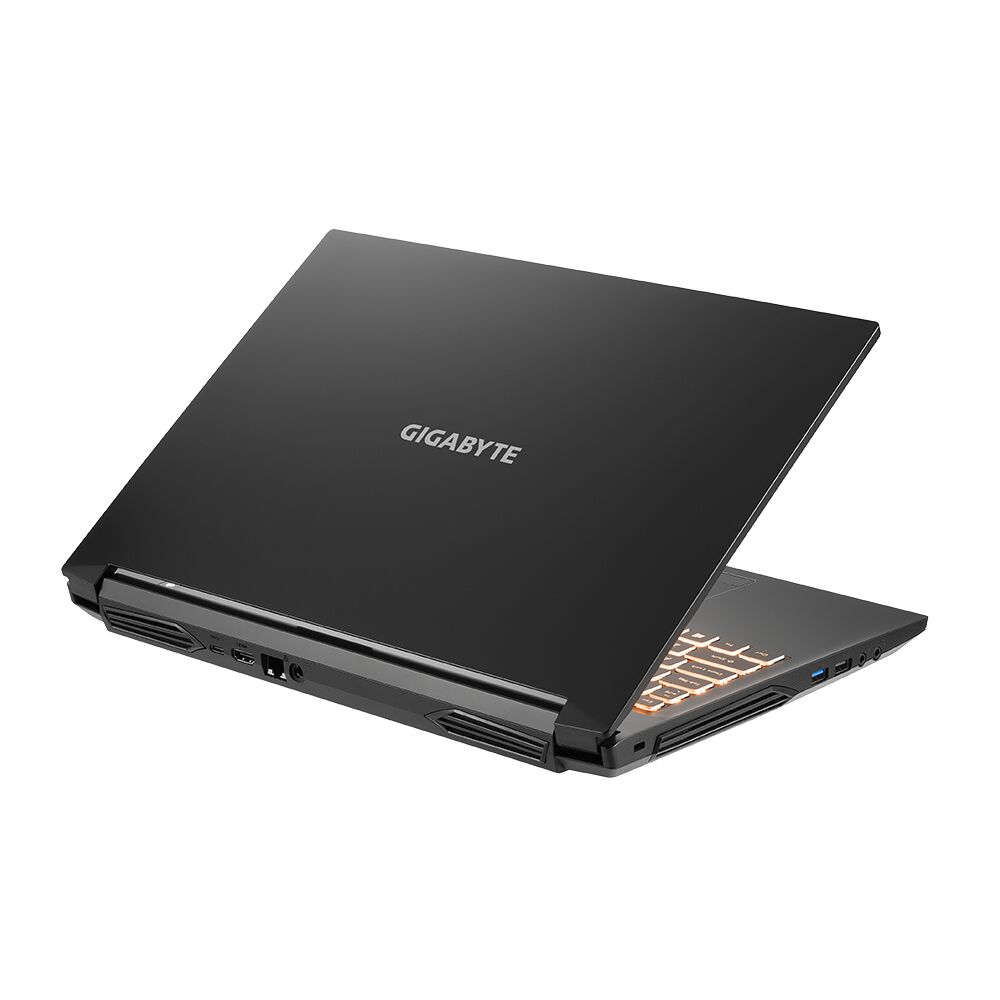
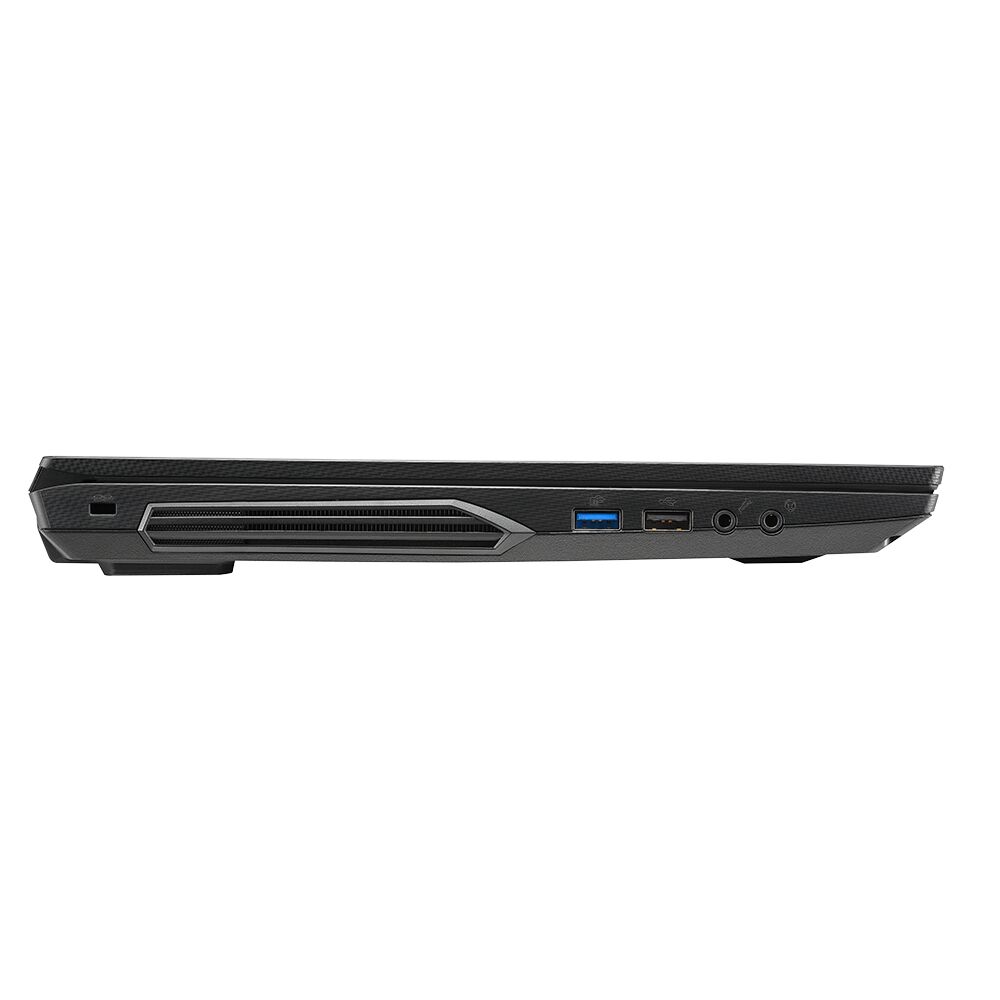
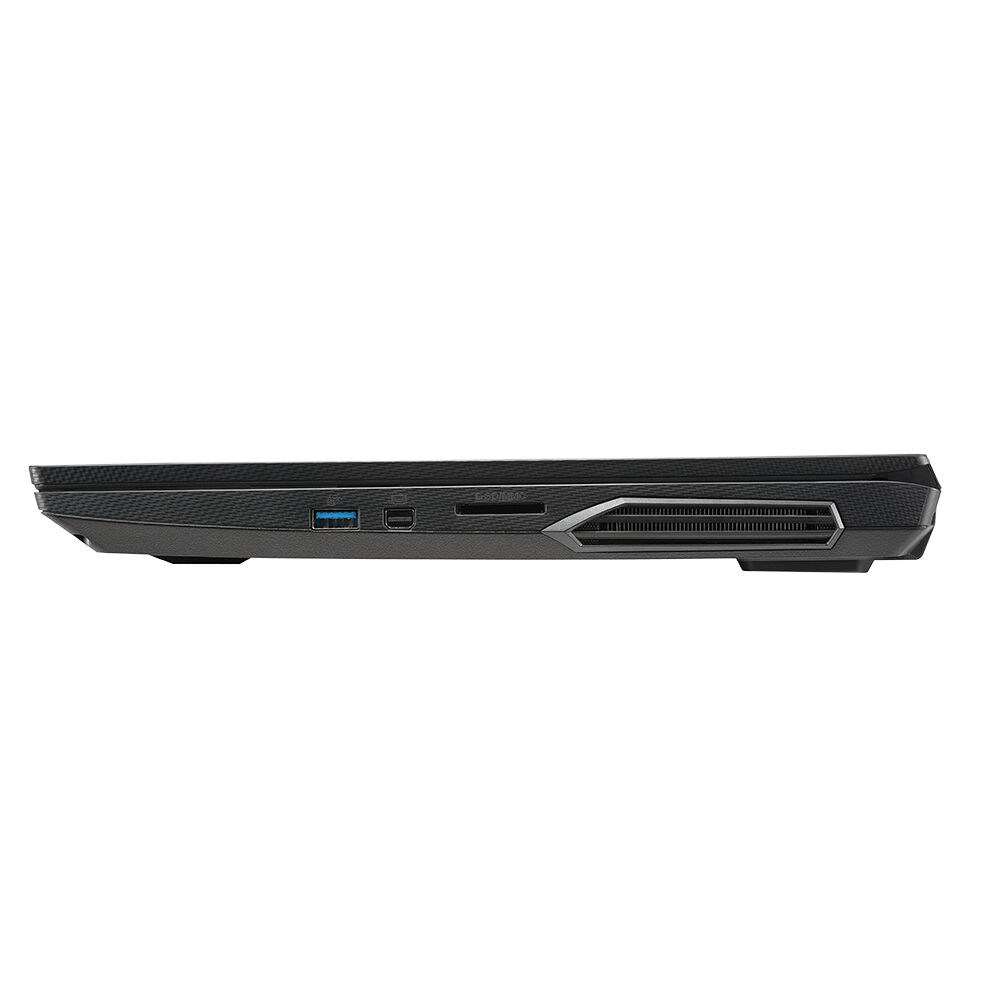
GIGABYTE G5 KC laptop features two SO-DIMM slots compatible with DDR4-SDRAM memory modules. Maximum RAM capacity supported reaches 64 GB total, with each slot accommodating up to 32 GB modules. Specifications indicate DDR4 memory operating at 3200 MHz frequency. Upgrade options include single or dual module configurations, allowing users to expand memory from baseline specifications. Compatible memory modules must match DDR4 type and SO-DIMM form factor for proper installation and operation within G5 KC specifications.
Memory Upgrade Specifications
| Specification | Value |
|---|---|
| Memory slots | 2x SO-DIMM |
| Form factor | SO-DIMM |
| Memory type | DDR4-SDRAM |
| Frequency | 3200 MHz |
| Maximum RAM | 64 GB |
| Voltage | 1.2V |
| Number of pins | 260-pin |
| Interface | PC4 |
| PC Speed Rating | PC4-3200 (PC4-25600) |
| Bandwidth | 25.6 GB/s |
| Laptop Release date | 17 March 2021 |
Additional Notes
- The GIGABYTE G5 KC supports dual-channel memory architecture through its 2 SO-DIMM slots, enabling doubled memory bandwidth when populated with matched module pairs compared to single-module configurations.
- The 64 GB maximum capacity limit is determined by chipset and BIOS constraints, requiring 32 GB density modules that utilize double-sided memory chip configurations.
- DDR4-3200 represents the JEDEC standard speed for this platform, though actual operating frequency depends on CPU memory controller specifications and may default to lower speeds without XMP profile activation in BIOS.
- SO-DIMM physical dimensions measure 67.6 mm in length, significantly shorter than desktop DIMM modules, making standard desktop memory physically incompatible with this mobile platform.
- Memory upgrades require accessing the bottom panel service cover, with specific removal procedures varying by warranty region and manufacturer service policies.
- Mixing memory modules with different speeds forces all modules to operate at the lowest common frequency, potentially underutilizing faster modules.
- Single-rank and dual-rank module mixing is functionally possible but may introduce performance inconsistencies in memory-intensive workloads due to differing access latencies.
- The DDR4 standard operates at 1.2V, lower than DDR3's 1.5V requirement, though some high-performance modules may require slightly elevated voltages that mobile platforms cannot always accommodate.
- CAS latency timings directly impact real-world performance, with CL22 modules providing approximately 13.75 nanoseconds of latency at 3200 MHz compared to CL16's 10 nanoseconds.
- Unbuffered non-ECC modules are required for consumer mobile platforms, as registered or ECC memory types present electrical and protocol incompatibilities.
- Heat dissipation in SO-DIMM slots relies on chassis airflow rather than dedicated heatspreaders, making thermal throttling possible under sustained memory-intensive operations in thermally constrained environments.