HP Elitebook 645 G10 RAM upgrade specifications




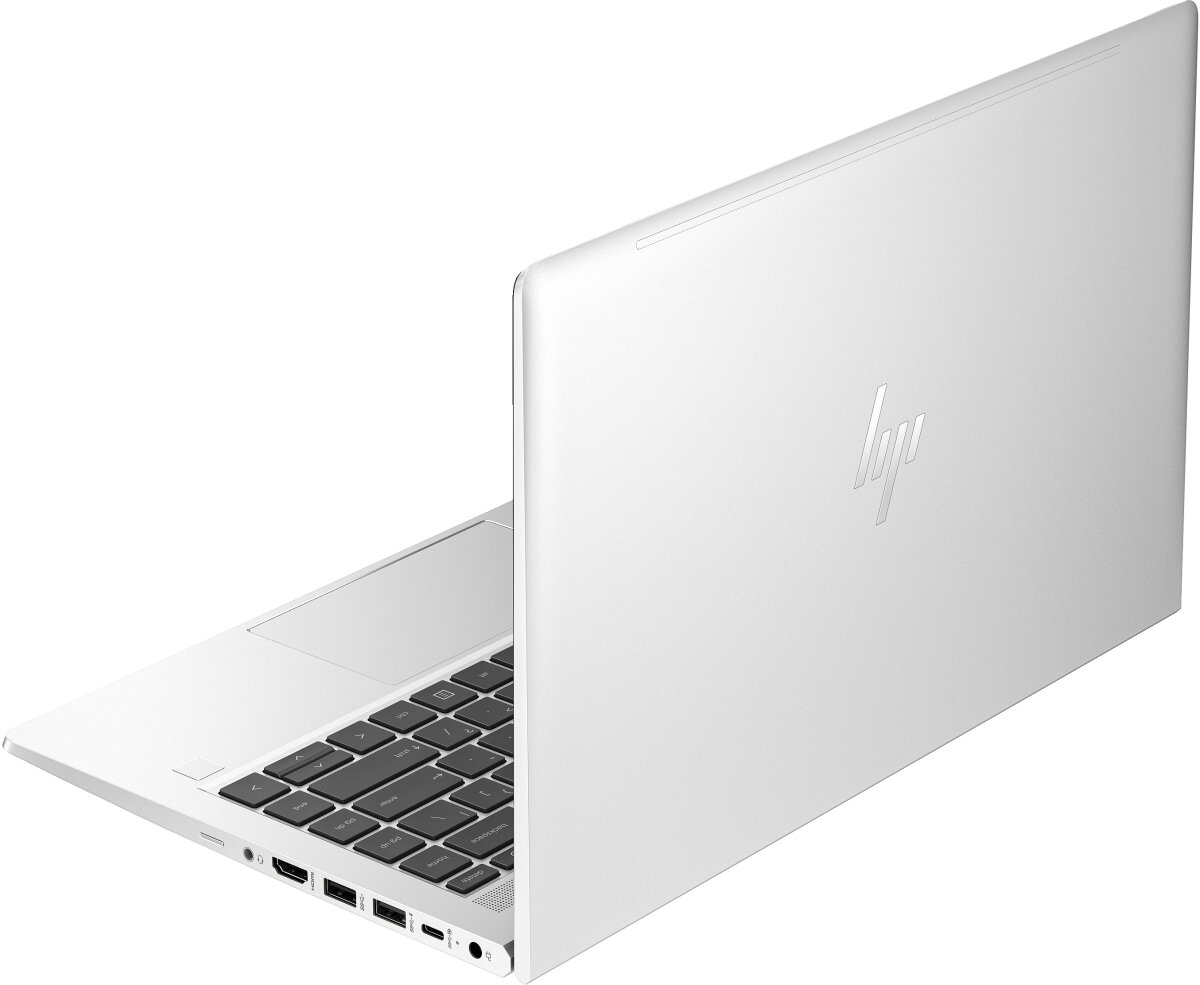
The HP Elitebook 645 G10 laptop features DDR4-SDRAM memory upgrade specifications with 2 SO-DIMM slots supporting maximum capacity of 64 GB. Compatible RAM modules operate at 3200 MHz frequency and utilize SO-DIMM form factor. Memory upgrade options allow configurations from standard pre-installed capacity to the maximum 64 GB specification. The HP 645 G10 from the Elitebook 600 series accommodates dual memory modules for performance enhancement and multitasking capabilities. Specifications detail compatible memory types and slot availability for system expansion.
Memory Upgrade Specifications
| Specification | Value |
|---|---|
| Memory slots | 2x SO-DIMM |
| Form factor | SO-DIMM |
| Memory type | DDR4-SDRAM |
| Frequency | 3200 MHz |
| Maximum RAM | 64 GB |
| Voltage | 1.2V |
| Number of pins | 260-pin |
| Interface | PC4 |
| PC Speed Rating | PC4-3200 (PC4-25600) |
| Bandwidth | 25.6 GB/s |
| Laptop Release date | 19 November 2024 |
Additional Notes
- The HP Elitebook 645 G10 dual-channel architecture requires matched memory modules in both slots to achieve optimal bandwidth performance, as mismatched configurations force the system to operate at the speed of the slower module.
- DDR4-3200 represents the maximum validated speed for this platform, meaning higher-frequency modules will downclock to 3200 MHz regardless of their rated specifications.
- The 64 GB ceiling indicates processor-level memory controller limitations rather than motherboard constraints, restricting viable configurations to either 2x32 GB or smaller paired capacities.
- SO-DIMM modules require specific pin counts and physical dimensions distinct from desktop DIMM standards, preventing cross-compatibility with standard desktop memory despite identical DDR4-3200 specifications.
- Access to both memory slots typically requires complete bottom panel removal, as most business-class notebooks position SO-DIMM bays beneath the keyboard assembly or primary chassis cover.
- Mixing ECC and non-ECC DDR4 modules will either prevent POST completion or force the system to operate all modules in non-ECC mode, negating error correction benefits.
- Thermal design constraints in thin business laptops limit sustained memory bandwidth under heavy workloads, as aggressive throttling may activate to maintain safe operating temperatures for densely packed components.
- Voltage specifications for DDR4 SO-DIMM modules must remain at standard 1.2V, as low-voltage variants designed for older DDR3L systems lack physical and electrical compatibility.
- Single-channel operation with one populated slot cuts memory bandwidth in half compared to dual-channel configurations, creating performance bottlenecks in applications dependent on high memory throughput.
- Warranty preservation requires installation procedures that avoid contact with adjacent components, particularly M.2 storage drives and wireless cards that share the same service access area.