HP Elitebook 840 G2 Base Model RAM upgrade specifications
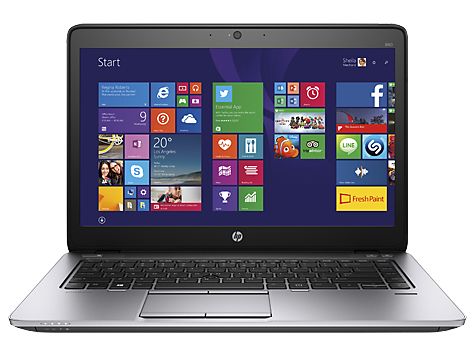
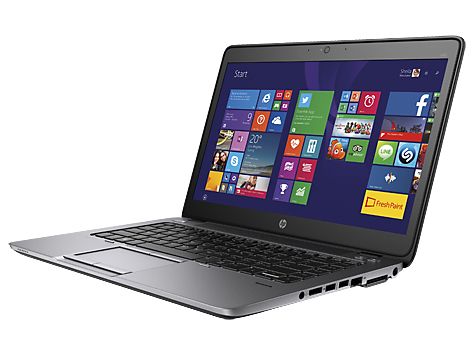
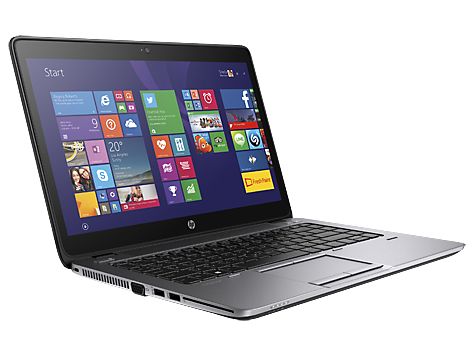
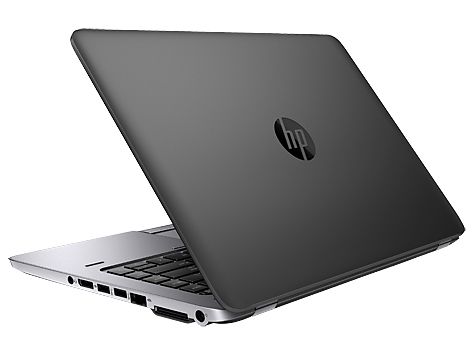
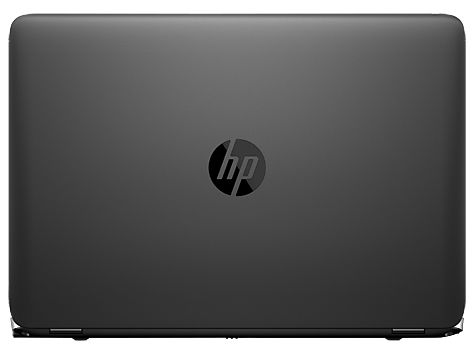
The HP Elitebook 840 G2 Base Model supports memory upgrades via two SO-DIMM slots. The laptop accepts DDR3L-SDRAM modules operating at 1600 MHz frequency. Maximum supported RAM capacity reaches 16 GB total. Compatible memory modules must utilize the SO-DIMM form factor specifications. Upgrade options allow configurations up to the stated maximum capacity across available slots. The Elitebook 800 series 840 G2 Base Model specifications require DDR3L-SDRAM technology for proper compatibility and performance.
Memory Upgrade Specifications
| Specification | Value |
|---|---|
| Memory slots | 2x SO-DIMM |
| Form factor | SO-DIMM |
| Memory type | DDR3L-SDRAM |
| Frequency | 1600 MHz |
| Maximum RAM | 16 GB |
| Voltage | 1.35V (Low Voltage) |
| Number of pins | 204-pin |
| Interface | PC3L |
| PC Speed Rating | PC3L-1600 (PC3L-12800) |
| Bandwidth | 12.8 GB/s |
| Laptop Release date | 15 January 2015 |
Additional Notes
- The DDR3L specification requires low-voltage modules operating at 1.35V, which are not interchangeable with standard 1.5V DDR3 modules due to potential system instability and POST failures.
- The 16 GB ceiling constrains the HP Elitebook 840 G2 Base Model to a maximum configuration of 2x8 GB modules, eliminating the option to use higher-capacity DIMMs for future expansion beyond this threshold.
- The 1600 MHz frequency establishes PC3L-12800 as the required specification, delivering a theoretical bandwidth of 12.8 GB/s per channel in dual-channel mode.
- Modules rated above 1600 MHz will downclock to match the chipset's supported frequency, offering no performance advantage despite higher cost.
- Both SO-DIMM slots must remain accessible without display assembly removal, as business-class notebooks from this generation typically position memory beneath a dedicated service door or keyboard.
- Mixing module capacities between slots maintains functionality but may disable dual-channel operation on some configurations, halving memory bandwidth to 6.4 GB/s.
- Non-matching CAS latencies across installed modules force the memory controller to adopt the slower timing specification across both channels.
- The SO-DIMM form factor measures 67.6mm in length, distinguishing it from desktop DIMM modules which are physically incompatible with the slot connector.
- Unbuffered (non-ECC) modules are required, as registered or ECC SO-DIMMs will either fail to initialize or cause boot failures on consumer-oriented chipsets.
- Operating temperature range for DDR3L is narrower than DDR4, with thermal throttling occurring at lower thresholds during sustained memory-intensive workloads in confined laptop chassis.