HP Elitebook 840 G4 RAM upgrade specifications
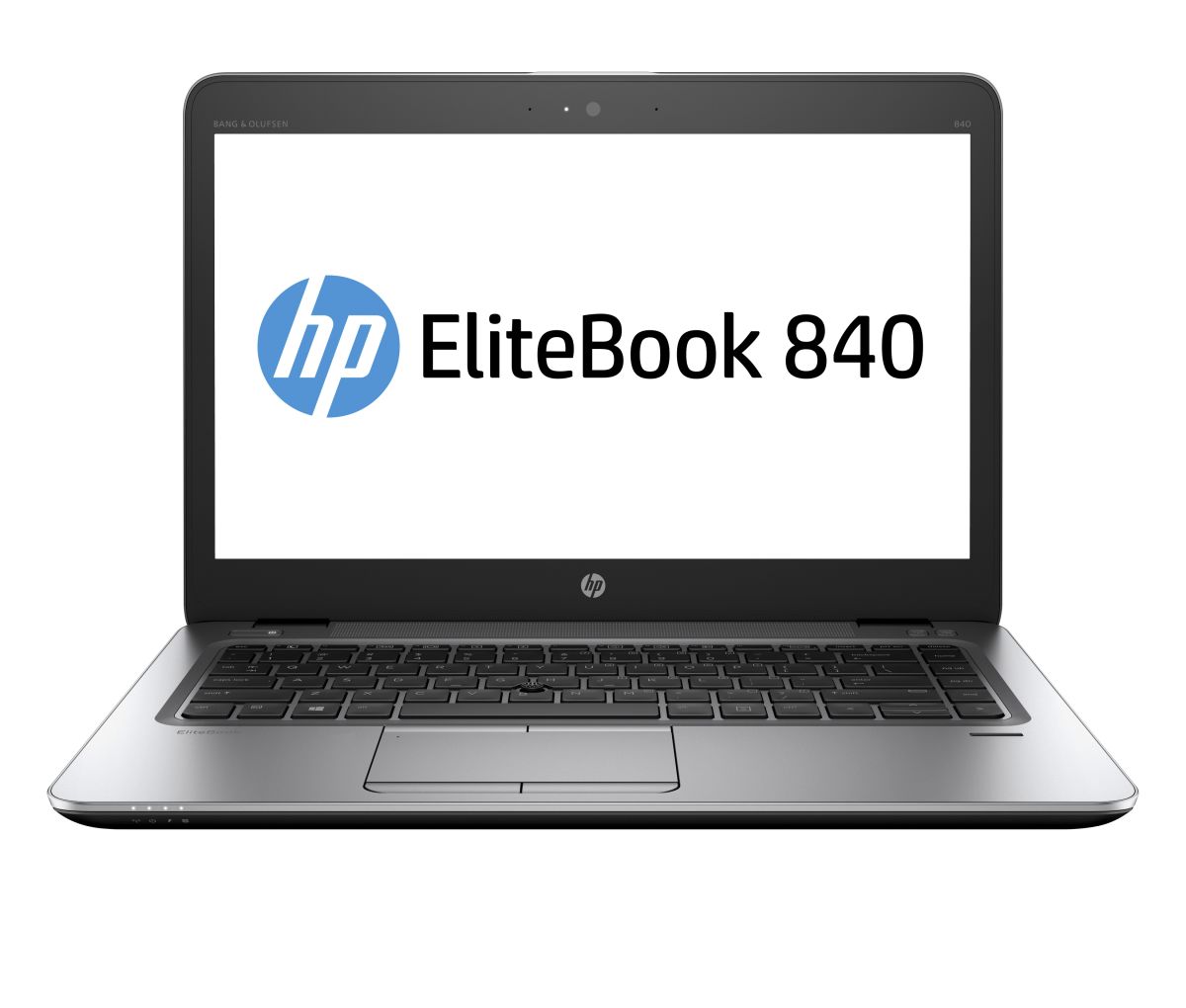
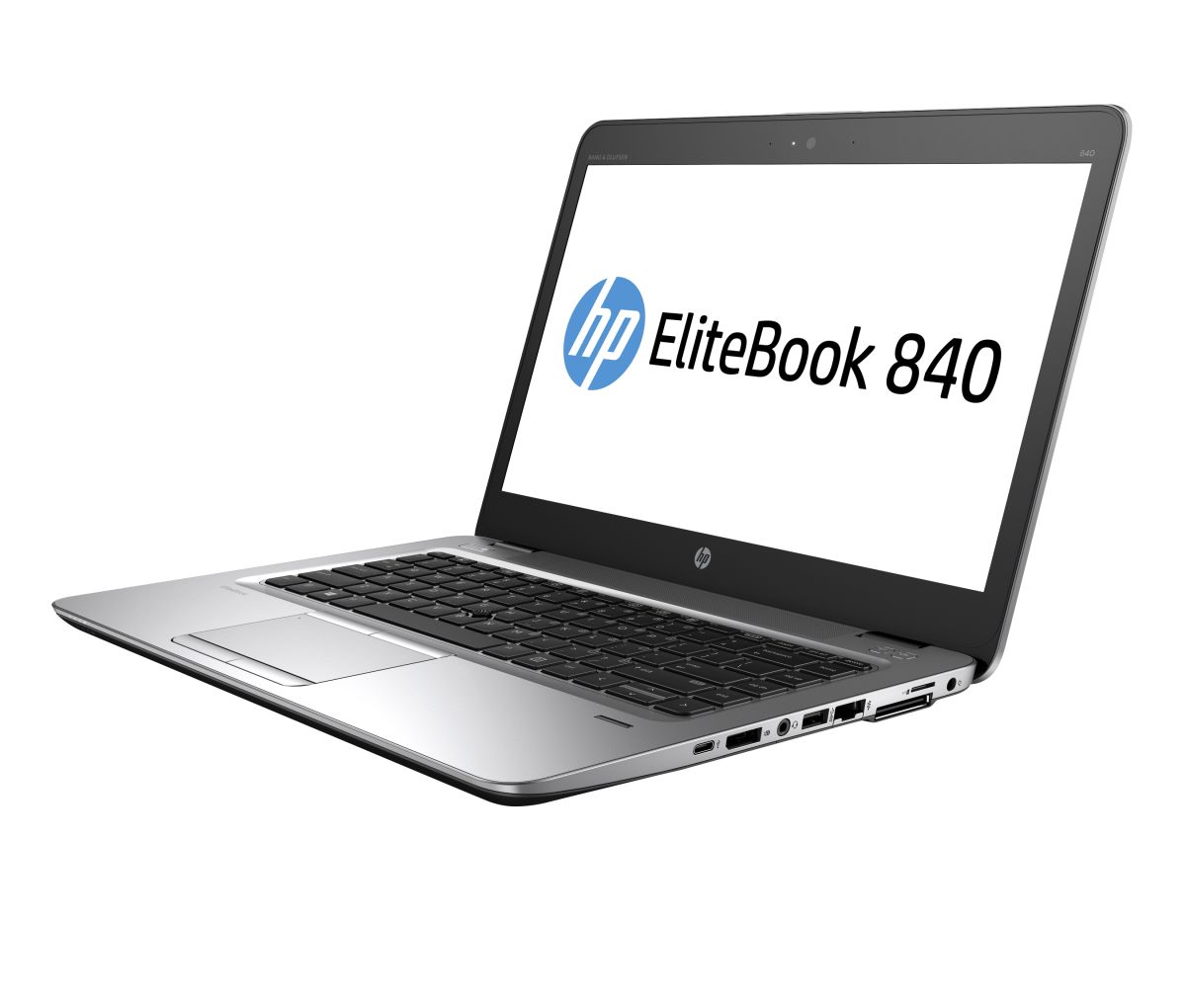
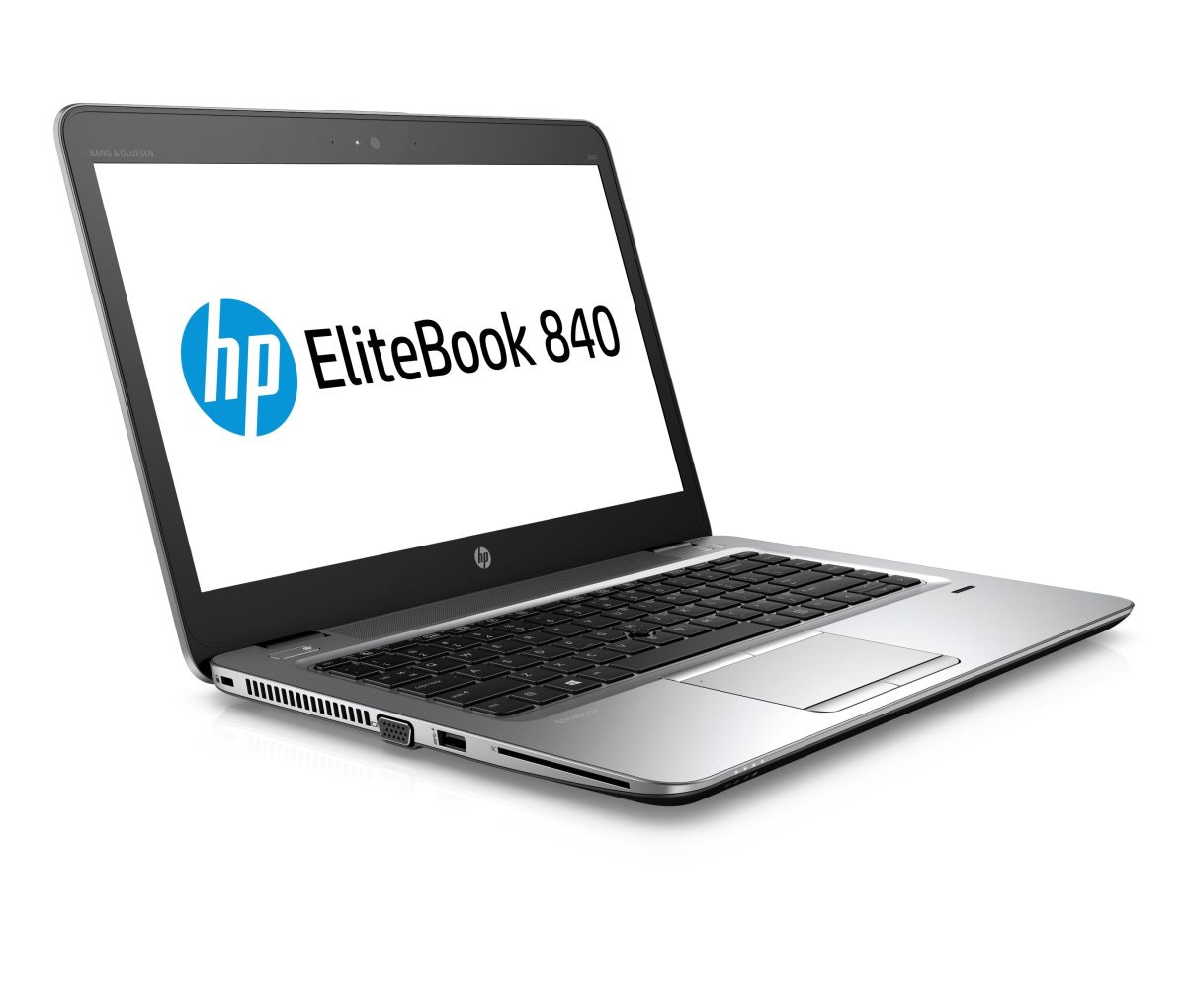
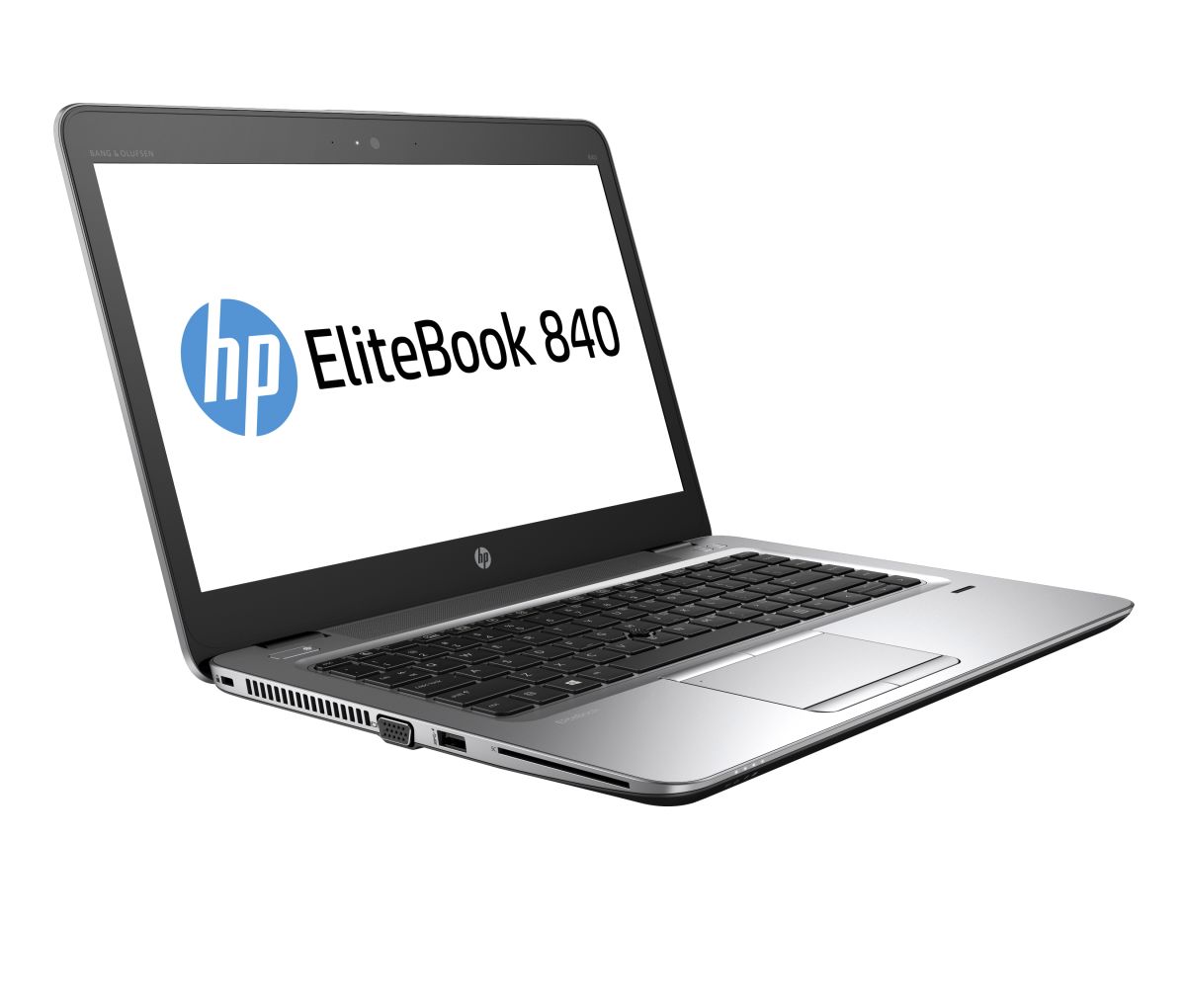
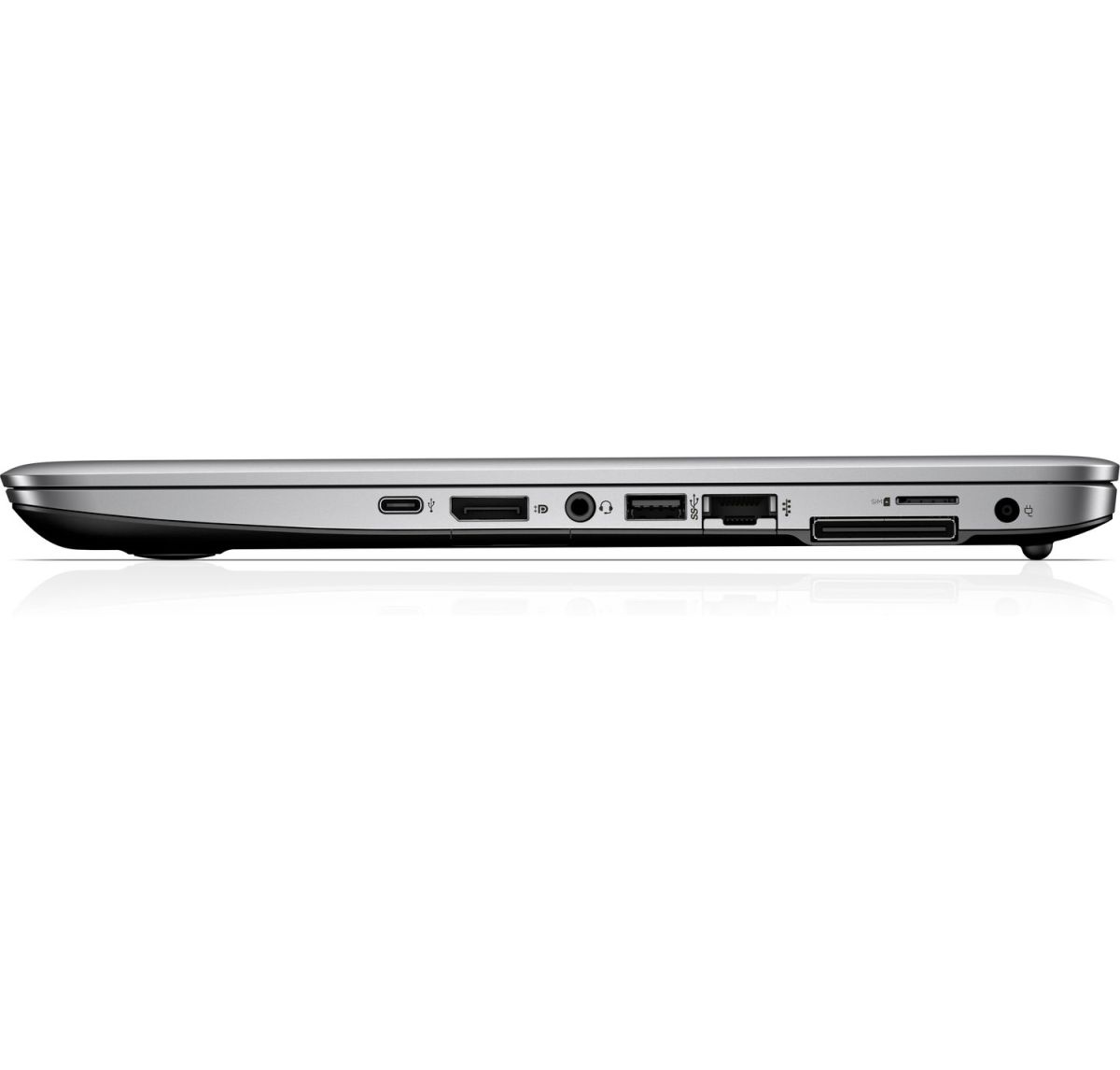
HP Elitebook 840 G4 laptop supports DDR4-SDRAM memory upgrades via two SO-DIMM slots. Compatible specifications include 2133 MHz frequency with maximum capacity of 32 GB total RAM. Memory upgrade configuration allows installation of matched or single modules within SO-DIMM form factor specifications. Existing memory modules can be supplemented or replaced to reach maximum supported capacity for enhanced system performance.
Memory Upgrade Specifications
| Specification | Value |
|---|---|
| Memory slots | 2x SO-DIMM |
| Form factor | SO-DIMM |
| Memory type | DDR4-SDRAM |
| Frequency | 2133 MHz |
| Maximum RAM | 32 GB |
| Voltage | 1.2V |
| Number of pins | 260-pin |
| Interface | PC4 |
| PC Speed Rating | PC4-2133 (PC4-17064) |
| Bandwidth | 17.1 GB/s |
| Laptop Release date | 01 May 2017 |
Additional Notes
- The HP EliteBook 840 G4 requires SO-DIMM modules, which are physically smaller than standard desktop DIMM modules and cannot be interchanged.
- DDR4-SDRAM modules are not backward compatible with DDR3 or earlier standards due to different notch positions and voltage requirements.
- The 2133 MHz frequency represents the maximum supported speed, meaning faster modules will downclock to this rate and provide no performance benefit.
- With 2 slots and a 32 GB maximum capacity, the system supports a maximum of 16 GB per slot, limiting single-module configurations accordingly.
- Dual-channel memory bandwidth becomes available only when populating both slots with matched capacity modules, doubling theoretical throughput compared to single-slot configurations.
- Mixing modules with different frequencies will force all installed memory to operate at the speed of the slowest module.
- The 32 GB ceiling represents a chipset limitation rather than a slot limitation, preventing recognition of higher-capacity configurations even if physically installable.
- DDR4 voltage standards at 1.2V differ from DDR3L at 1.35V, making cross-generation upgrades impossible without motherboard replacement.
- Memory access requires bottom panel removal, as SO-DIMM slots in ultrabook chassis are typically not accessible through dedicated service doors.
- ECC memory modules are incompatible with this consumer-grade chipset architecture despite sharing the same physical form factor.
- Operating system limitations apply separately from hardware capacity, with 32-bit Windows editions unable to address the full 32 GB regardless of physical installation.