HP Elitebook 845 G11 RAM upgrade specifications
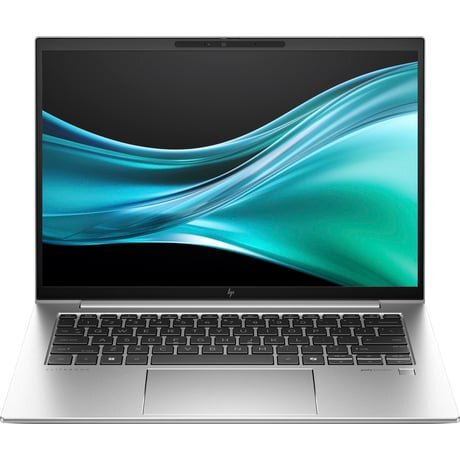
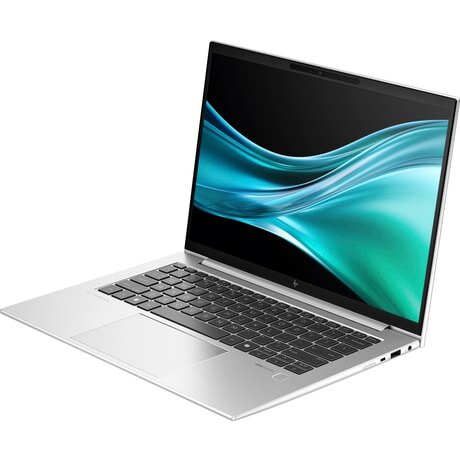
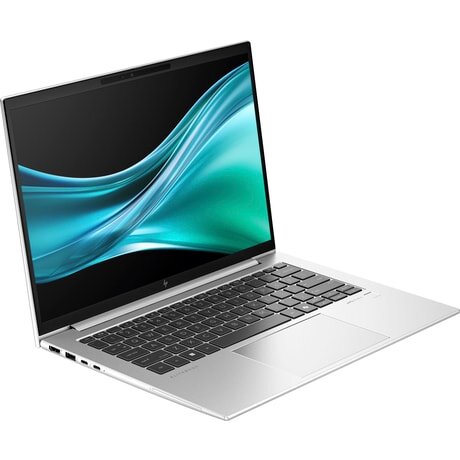
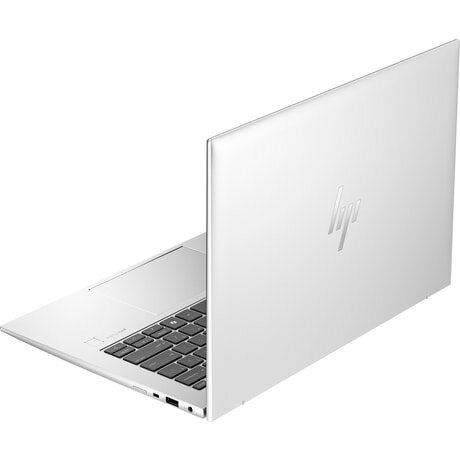
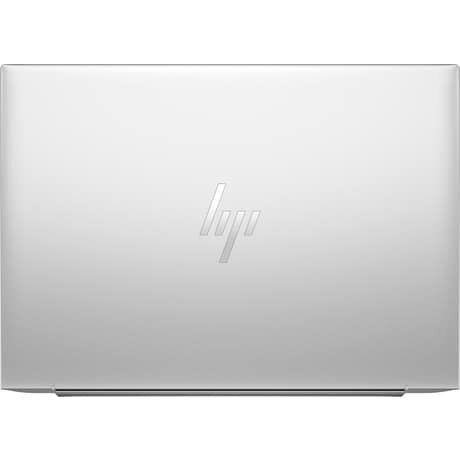
HP Elitebook 845 G11 laptop supports DDR5-SDRAM memory upgrades through two SO-DIMM slots. Maximum compatible RAM capacity reaches 64 GB total. Memory specifications require DDR5 modules operating at 5600 MHz frequency. Upgrade configurations support various capacities up to the 64 GB maximum. SO-DIMM form factor specifications ensure compatibility with HP 800 series architecture. RAM slots accommodate standard DDR5-SDRAM modules meeting HP 845 G11 specifications.
Memory Upgrade Specifications
| Specification | Value |
|---|---|
| Memory slots | 2x SO-DIMM |
| Form factor | SO-DIMM |
| Memory type | DDR5-SDRAM |
| Frequency | 5600 MHz |
| Maximum RAM | 64 GB |
| Voltage | 1.1V |
| Number of pins | 262-pin |
| Interface | PC5 |
| PC Speed Rating | PC5-5600 (PC5-44800) |
| Bandwidth | 44.8 GB/s |
Additional Notes
- The HP EliteBook 845 G11 requires DDR5 SO-DIMM modules exclusively, preventing the use of older DDR4 inventory due to incompatible voltage requirements and physical notch positioning.
- The 64 GB ceiling translates to a maximum configuration of 2x32 GB modules, as SO-DIMM DDR5 modules above 32 GB per stick are not commercially available at the time of typical deployment.
- DDR5-5600 represents JEDEC standard timing, but mixing modules with different CAS latency values may force the system to downclock to the slowest module's specifications.
- Dual-channel operation requires identical capacity modules in both slots to achieve maximum memory bandwidth of 89.6 GB/s, as asymmetric configurations revert to single-channel mode for the excess capacity.
- The SO-DIMM form factor permits tool-free installation through the bottom access panel, maintaining warranty validity when performed according to HP's service documentation.
- Systems configured with soldered memory from the factory cannot accommodate this upgrade path, as some commercial variants integrate non-removable RAM directly onto the motherboard.
- Operating at 5600 MHz requires CPU memory controller support, and failure to verify processor compatibility may result in modules running at reduced JEDEC fallback speeds.
- Thermal constraints in the 14-inch chassis may throttle performance under sustained memory-intensive workloads if ambient temperatures exceed 35°C without adequate ventilation.
- ECC SO-DIMM modules, while physically compatible, are not supported by the consumer-grade memory controller in standard configurations, causing POST failures or unrecognized capacity.