HP OMEN 15-dc0001nl RAM upgrade specifications




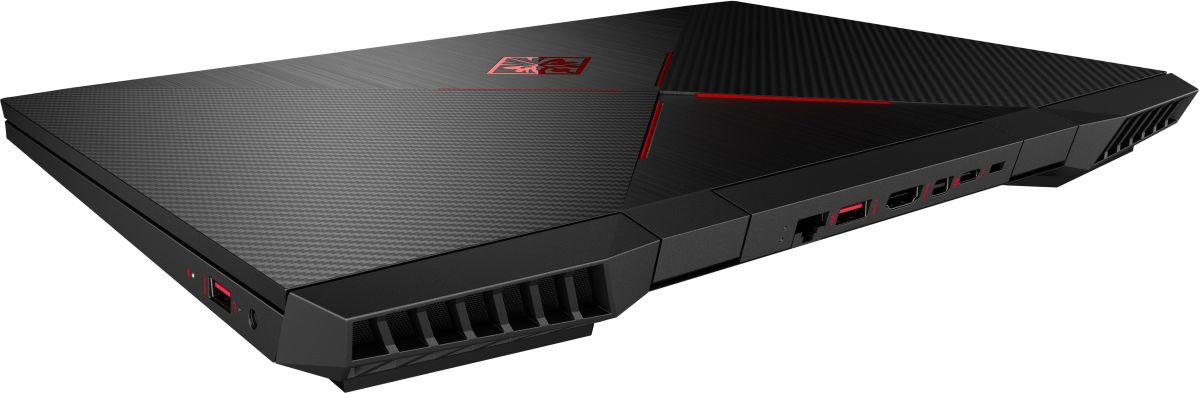
HP OMEN 15-dc0001nl laptop specifications include DDR4-SDRAM memory upgrade capacity. The system features 2x SO-DIMM slots supporting maximum RAM expansion to 32 GB total capacity. Compatible memory modules operate at 2666 MHz frequency with SO-DIMM form factor. Upgrade specifications enable users to enhance system performance through memory expansion within the designated slots and capacity limitations.
Memory Upgrade Specifications
| Specification | Value |
|---|---|
| Memory slots | 2x SO-DIMM |
| Form factor | SO-DIMM |
| Memory type | DDR4-SDRAM |
| Frequency | 2666 MHz |
| Maximum RAM | 32 GB |
| Voltage | 1.2V |
| Number of pins | 260-pin |
| Interface | PC4 |
| PC Speed Rating | PC4-2666 (PC4-21328) |
| Bandwidth | 21.3 GB/s |
| Laptop Release date | 13 June 2018 |
Additional Notes
- The SO-DIMM form factor indicates a laptop platform, which limits access to the memory slots compared to desktop systems and typically requires removing the bottom panel for upgrades.
- DDR4-2666 represents a standardized JEDEC speed bin, ensuring compatibility with modules rated at this frequency or lower speeds that will downclock automatically.
- The chipset enforces a 32 GB ceiling regardless of module availability, meaning configurations using 2x32 GB modules will not be recognized beyond the hardware limit.
- Dual-channel architecture requires matching modules in both slots to achieve maximum memory bandwidth, as asymmetric configurations will operate in single-channel mode.
- The 2666 MHz specification indicates PC4-21300 transfer rate, establishing the minimum bandwidth threshold for memory-intensive applications.
- Non-ECC unbuffered modules are required for consumer platforms in this series, as registered or ECC memory will cause POST failures.
- Mixing modules with different speeds will force all memory to operate at the lowest common frequency, potentially reducing performance if slower modules are added.
- The 2-slot configuration limits upgrade flexibility compared to 4-slot systems, requiring complete replacement of existing modules to reach maximum capacity.
- Voltage specification defaults to 1.2V for DDR4, meaning low-voltage or XMP-profiled modules may require BIOS support that consumer platforms typically lack.
- CAS latency variations between modules may cause stability issues even when frequencies match, particularly when mixing different manufacturers.
- Thermal constraints in gaming laptops can throttle memory performance under sustained loads despite meeting speed specifications.