HP OMEN 15-dc0000nf RAM upgrade specifications




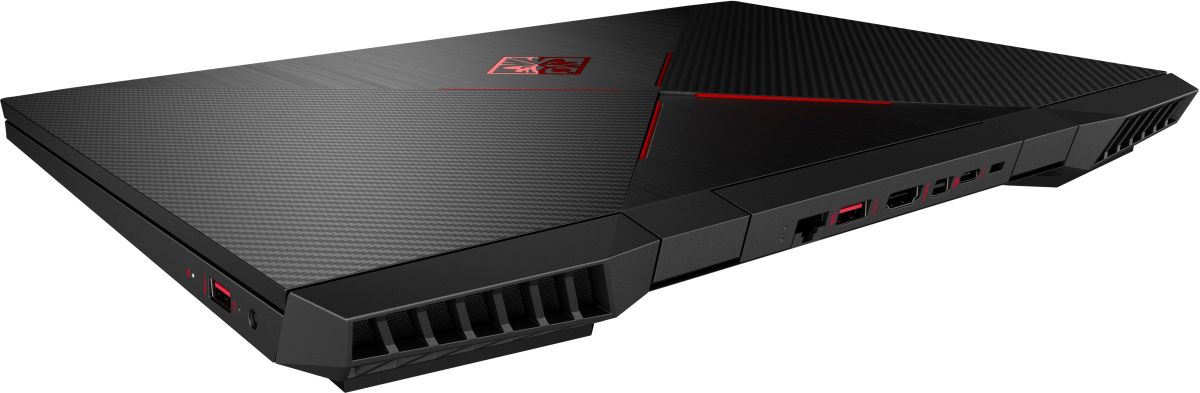
HP OMEN 15-dc0000nf memory upgrade specifications include two SO-DIMM slots supporting DDR4-SDRAM memory at 2666 MHz frequency. Maximum RAM capacity reaches 32 GB total. Compatible memory modules utilize SO-DIMM form factor for this laptop model. Upgrade options allow installation of additional memory modules in available slots to enhance system performance and multitasking capabilities.
Memory Upgrade Specifications
| Specification | Value |
|---|---|
| Memory slots | 2x SO-DIMM |
| Form factor | SO-DIMM |
| Memory type | DDR4-SDRAM |
| Frequency | 2666 MHz |
| Maximum RAM | 32 GB |
| Voltage | 1.2V |
| Number of pins | 260-pin |
| Interface | PC4 |
| PC Speed Rating | PC4-2666 (PC4-21328) |
| Bandwidth | 21.3 GB/s |
| Laptop Release date | 15 June 2018 |
Additional Notes
- The HP OMEN 15-dc0000nf supports a maximum of 32 GB total system memory, which translates to 16 GB modules per slot when both slots are populated.
- DDR4-2666 operates at a lower voltage than previous DDR3 generations, reducing heat output and power consumption during extended gaming sessions.
- The dual-channel architecture requires matched pairs of modules to achieve optimal memory bandwidth, as mismatched configurations may force single-channel operation.
- SO-DIMM modules are physically shorter than desktop DIMM counterparts, measuring approximately 67.6 mm in length, which prevents compatibility with standard desktop memory.
- Installing memory modules with frequencies exceeding 2666 MHz will result in automatic downclocking to the supported speed, as the chipset enforces this limitation.
- Access to the memory slots typically requires removing the bottom panel, which may involve breaking tamper-evident seals depending on the warranty terms in effect.
- Single-channel configurations using only one populated slot will reduce memory bandwidth by approximately 50 percent compared to dual-channel operation.
- The 2666 MHz frequency specification indicates a data transfer rate of 21,333 MB/s per channel, doubling to 42,666 MB/s in dual-channel mode.
- DDR4 modules operate with CAS latencies that differ from DDR3, meaning absolute nanosecond latency remains relatively constant despite higher frequency ratings.
- Mixed-capacity configurations, such as pairing an 8 GB module with a 16 GB module, will still enable dual-channel operation through flex mode on the matching capacity portion.