HP Elitebook Revolve 810 G1 RAM upgrade specifications




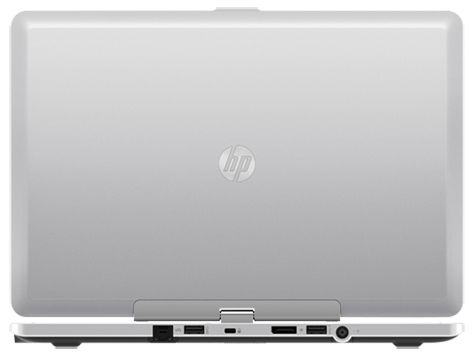
HP Elitebook Revolve 810 G1 supports memory upgrades via one SO-DIMM slot. Maximum RAM capacity is 12 GB using DDR3-SDRAM modules operating at 1600 MHz. Upgrade specifications indicate compatible memory modules must meet SO-DIMM form factor requirements. The laptop features hybrid memory configuration with on-board memory combined with one accessible SO-DIMM slot for expansion.
Memory Upgrade Specifications
| Specification | Value |
|---|---|
| Memory slots | 1x SO-DIMM |
| Form factor | On-board + SO-DIMM |
| Memory type | DDR3-SDRAM |
| Frequency | 1600 MHz |
| Maximum RAM | 12 GB |
| Voltage | 1.5V |
| Number of pins | 204-pin |
| Interface | PC3 |
| PC Speed Rating | PC3-1600 (PC3-12800) |
| Bandwidth | 12.8 GB/s |
| Laptop Release date | 01 April 2013 |
Additional Notes
- The HP Elitebook Revolve 810 G1 employs a hybrid memory architecture with permanently soldered RAM on the motherboard alongside a single SO-DIMM slot, preventing complete memory replacement and limiting upgrade flexibility.
- The 12 GB maximum capacity indicates 4 GB soldered memory paired with an 8 GB module limit, creating an asymmetric dual-channel configuration that may reduce theoretical bandwidth efficiency compared to matched capacity pairs.
- DDR3-1600 operates at a peak theoretical bandwidth of 12.8 GB/s per channel, though the hybrid configuration and potential single-channel fallback in certain operations constrains sustained memory throughput.
- SO-DIMM modules must match the onboard 1600 MHz specification to maintain synchronous operation, as mixing frequencies forces the memory controller to downclock faster modules to the lowest common speed.
- The soldered component eliminates the possibility of troubleshooting faulty onboard memory through replacement, requiring motherboard-level service if that portion fails.
- Single slot availability requires immediate selection of the highest desired capacity module, as incremental upgrades necessitate discarding and replacing the existing SO-DIMM rather than adding alongside it.
- Low-voltage DDR3L modules rated at 1.35V may offer compatibility, though verifying manufacturer specifications prevents potential stability issues from voltage mismatches with the soldered component.
- The physical SO-DIMM installation typically requires bottom panel removal in ultraportable chassis designs, which may involve multiple screw types and ribbon cable navigation in compact internal layouts.