HP Elitebook G11 RAM upgrade specifications
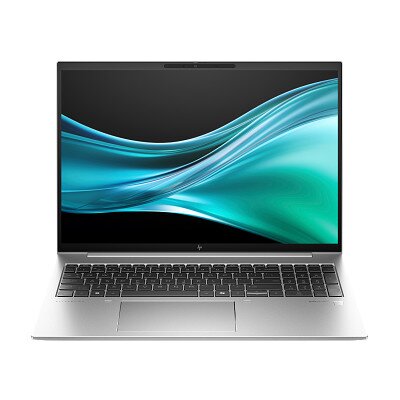
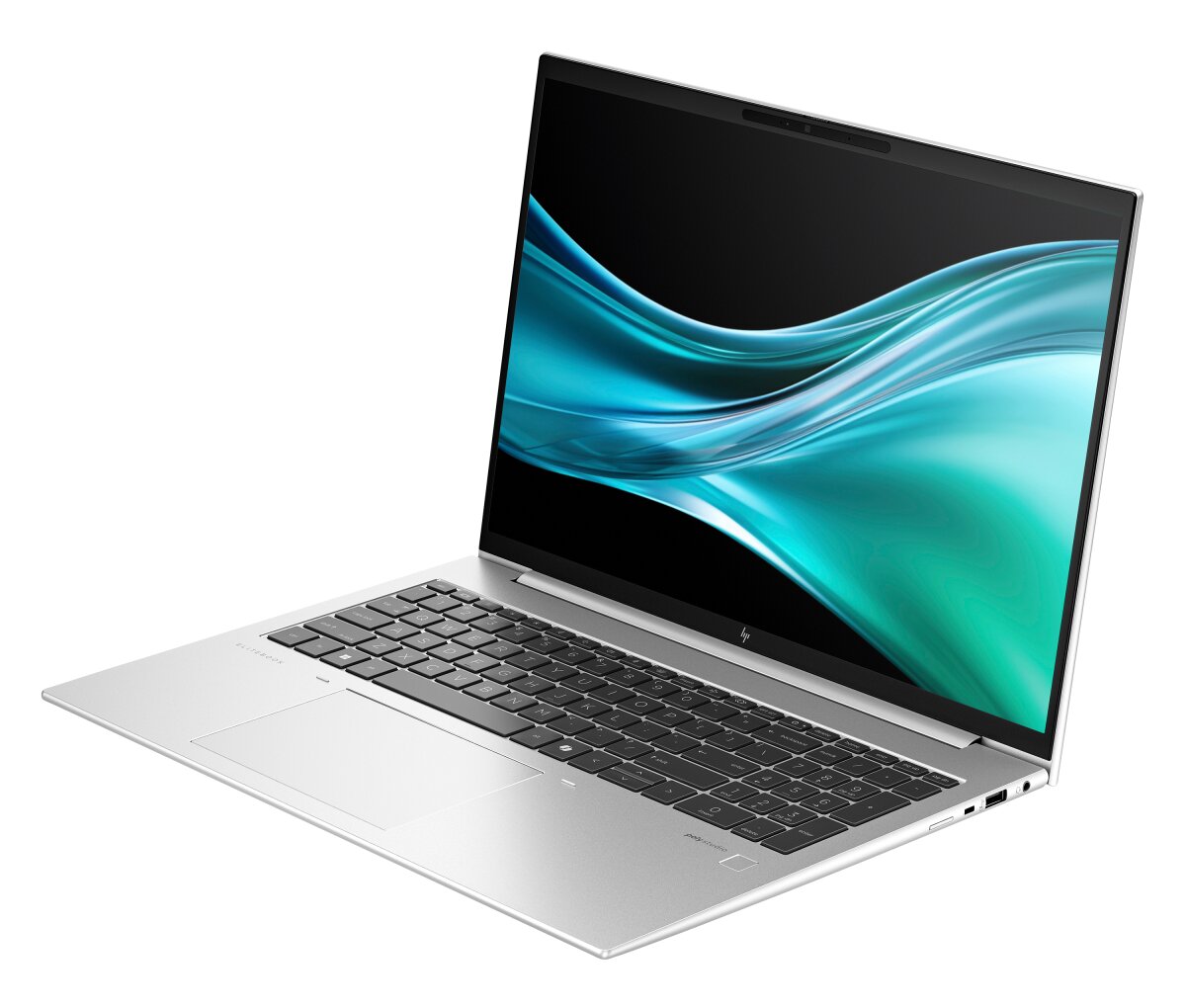
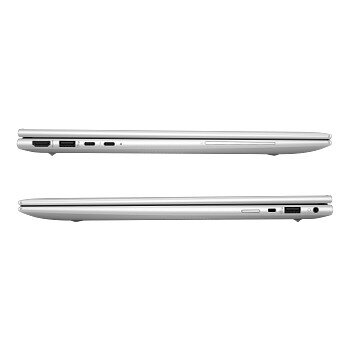
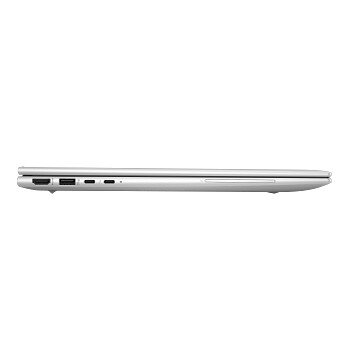
HP Elitebook 800 series G11 notebook supports DDR5-SDRAM memory upgrades with dual SO-DIMM slots. Maximum supported capacity reaches 64 GB total memory. Compatible RAM modules operate at 5600 MHz frequency. Specifications indicate SO-DIMM form factor modules for this particular upgrade configuration. Memory upgrade options available for G11 model within Elitebook 800 family parameters.
Memory Upgrade Specifications
| Specification | Value |
|---|---|
| Memory slots | 2x SO-DIMM |
| Form factor | SO-DIMM |
| Memory type | DDR5-SDRAM |
| Frequency | 5600 MHz |
| Maximum RAM | 64 GB |
| Voltage | 1.1V |
| Number of pins | 262-pin |
| Interface | PC5 |
| PC Speed Rating | PC5-5600 (PC5-44800) |
| Bandwidth | 44.8 GB/s |
Additional Notes
- The HP Elitebook G11 uses SO-DIMM form factor exclusively, which restricts upgrade options to laptop-specific modules and eliminates desktop DDR5 compatibility regardless of speed matching.
- With 2 SO-DIMM slots and a 64 GB ceiling, maximum capacity equates to 32 GB per module, making single-channel configurations impossible and forcing dual-module population for optimal performance.
- DDR5-5600 MHz operation on this platform means memory bandwidth reaches approximately 89.6 GB/s per channel, but this assumes both slots are populated; single-slot operation reduces effective bandwidth by 50 percent.
- Upgrading from factory-installed modules requires purchasing matched pairs to maintain symmetrical dual-channel architecture; mismatched frequencies or capacities may trigger automatic throttling to the slower module's specification.
- SO-DIMM DDR5-5600 modules carry warranty implications; installation by end users typically remains covered under manufacturer policy, but mixing OEM and third-party modules may void coverage on the newly installed components only.
- The 64 GB limitation indicates this platform uses a controller architecture that caps addressable memory, making future capacity expansions beyond this threshold impossible through firmware or BIOS updates.
- DDR5 modules operate at 1.1 volts, generating measurably more heat than DDR4 predecessors; the confined SO-DIMM slot geometry on ultrabook-class hardware may create thermal stratification if cooling airflow over memory components is restricted.