HP OMEN 15-dc0006no RAM upgrade specifications



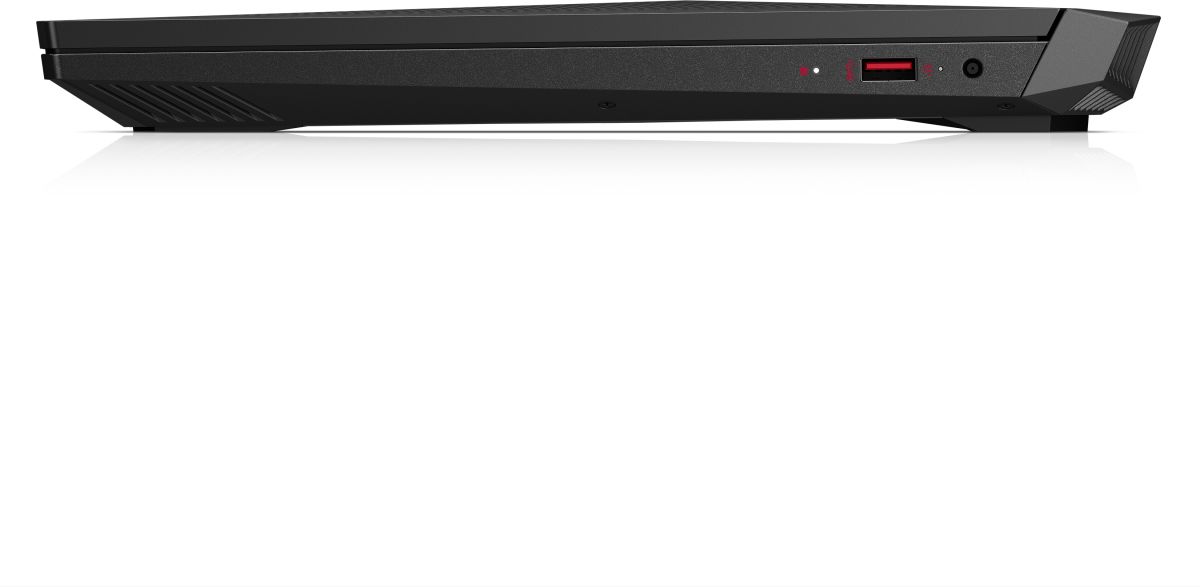

HP OMEN 15-dc0006no laptop compatible with DDR4-SDRAM memory upgrade specifications. The system features 2x SO-DIMM slots supporting maximum RAM capacity of 32 GB. Memory modules operate at 2666 MHz frequency. Each slot accepts SO-DIMM form factor memory modules. Upgrade specifications enable expansion from factory configuration to full 32 GB capacity through compatible DDR4 memory installation in available slots.
Memory Upgrade Specifications
| Specification | Value |
|---|---|
| Memory slots | 2x SO-DIMM |
| Form factor | SO-DIMM |
| Memory type | DDR4-SDRAM |
| Frequency | 2666 MHz |
| Maximum RAM | 32 GB |
| Voltage | 1.2V |
| Number of pins | 260-pin |
| Interface | PC4 |
| PC Speed Rating | PC4-2666 (PC4-21328) |
| Bandwidth | 21.3 GB/s |
| Laptop Release date | 21 June 2018 |
Additional Notes
- The HP OMEN 15-dc0006no supports dual-channel memory operation through its 2 SO-DIMM slots, enabling doubled memory bandwidth when identical modules are installed in pairs.
- The 32 GB maximum capacity indicates chipset-level restrictions that prevent recognition of higher-density modules, even if physically compatible.
- DDR4-2666 represents JEDEC standard speed, meaning modules rated at higher frequencies will downclock to 2666 MHz unless XMP profiles are supported and enabled in BIOS.
- SO-DIMM form factor limits module height to 30 mm, eliminating compatibility with standard desktop DIMM modules despite identical electrical specifications.
- Memory frequency of 2666 MHz delivers 21.3 GB/s theoretical bandwidth per channel, totaling 42.6 GB/s in dual-channel configuration.
- Mixing modules with different speeds forces all installed memory to operate at the lowest common frequency, creating potential performance degradation.
- SO-DIMM slots typically allow warranty-safe user access through dedicated service panels, unlike soldered memory configurations that prohibit field upgrades.
- DDR4 voltage standardization at 1.2V ensures thermal compatibility within laptop cooling constraints, unlike DDR3L or earlier high-voltage standards.
- The 2666 MHz specification establishes CAS latency expectations of CL19 for standard modules, affecting absolute memory access times despite frequency parity.
- Dual-slot configuration permits asymmetric capacity combinations while maintaining dual-channel operation, though matching capacities optimizes interleaving efficiency.
- DDR4 non-ECC unbuffered modules represent the only compatible architecture, as registered or error-correcting variants require different chipset support.